
Hypnotherapy reduces Irritable Bowel Syndrome symptoms — and now there’s an app for that
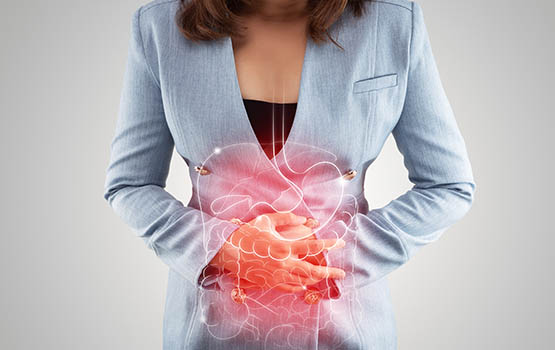
Monash researchers have demonstrated that hypnotherapy can significantly reduce Irritable bowel syndrome (IBS) flareups, through a new app, Nerva, that’s been validated in clinical trials.
Developed by Dr Simone Peters, Monash University, in collaboration with health tech company Mindset Health, the app, Nerva, targets the miscommunication between the gut and the brain, which is at the heart of many IBS symptoms. It uses a technique called Gut-directed hypnotherapy (GHD) to calm visceral hypersensitivity, hypervigilance and gut motility (or digestion). The app has so far helped 200,000 people manage their condition.
IBS is the most common disorder of gut-brain interaction, affecting around 11 per cent of the global population, straining healthcare systems and impacting quality of life.
People with IBS experience recurrent abdominal pain, alongside changes in bowel habits, bloating, distension and gas. Common coexisting psychological symptoms include stress, anxiety, depression and sleep disturbances Symptoms often interfere with daily activities and social interaction, cause workplace absenteeism and are estimated to cost the Australian economy and health system billions of dollars a year.
Senior gastroenterology research dietitian and co-lead of the School of Translational Medicine (STM) Gastroenterology, Immunology and Neuroscience Discovery Program, Dr Emma Halmos, and her PhD student, Ellen Anderson, conducted the trial that proved Nerva was superior to an app control in reducing IBS symptoms.
Their randomised control trial (RCT), which included 244 IBS patients from the US and Australia, showed that participants using the app fared better than the control group on several indicators:
- 71 per cent had a clinically significant decrease in abdominal pain (vs 35 per cent in the control group)
- 81 per cent had an improvement in symptom severity (compared to 63 per cent)
- 28 per cent reported an increase in quality of life and a 37.5 percent a decrease in anxiety
“Practitioners are often critical of therapies that have not undergone a rigorous trial to prove effectiveness,” Dr Halmos said.
“This sophisticated study provides high-quality evidence to show that Nerva helps to manage IBS symptoms and improve quality of life.”
Nerva fills a gap in the market by providing an evidence-based, digitally delivered option for IBS symptom management. The self-guided program reduces the financial burden of frequent medical appointments and pharmaceutical interventions and allows widespread access to gut-directed hypnotherapy, which is ordinarily limited due to a lack of qualified therapists.
A self-management and wellbeing tool, Nerva has not been evaluated by the FDA, TGA, MHRA or equivalent regulatory bodies. Users are directed to not make any changes to their prescribed medication or other type of medical treatment without seeking professional medical advice.
Dr Peters, a psychophysiologist and gut-directed hypnotherapist, hopes GDH will be widely adopted.
“The widespread adoption of GDH is crucial because delivering it digitally allows people to access a therapy with a strong evidence base at a reduced cost compared to face-to-face sessions,” she said.
See also:
Nerva Fact Sheet for Clinicians & FAQs
Dr Simone Peters in Monash Lens: How hypnotherapy is helping treat irritable bowel syndrome (IBS) sufferers