
People with dementia less likely to be referred to allied health services by GPs
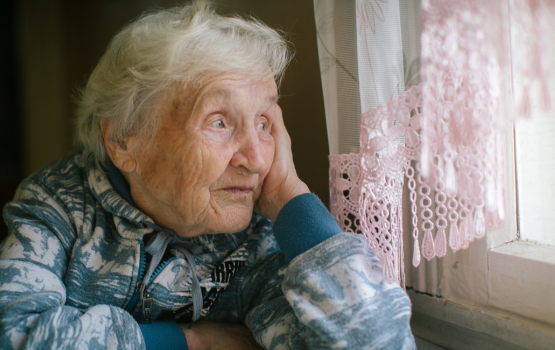
Credit: DimaBerkut from Getting Images
Researchers from Monash University’s Rehabilitation, Ageing and Independent Living (RAIL) Research Centre and the National Centre for Healthy Ageing (a partnership between Monash University and Peninsula Health) found that people with dementia were significantly less likely to receive any allied health referral compared with those with stroke or Parkinson’s disease.
Led by Dr Angel Lee, from the School of Primary and Allied Health Care and published in the BMJ Journal Family Medicine and Community Health, the research examined the allied health referral patterns of general practitioners from 537 practices for people with dementia compared to those without dementia across two large Primary Health Networks (PHNs) in Melbourne. Just under 700,000 patients were identified in the study, including 16,610 patients with dementia.
Dr Lee said that GPs play an important role in informing patients about allied health services and coordinating referrals to facilitate access in Australia. Yet until now, the GP referral patterns had remained poorly understood and under-investigated.
“Despite strong evidence supporting allied health interventions for dementia, referral rates remain comparatively low. Accessing these services can provide therapeutic and diagnostic support for people living with dementia, with a focus on enhancing function, autonomy and quality of life,” Dr Lee said.
“Access to allied health could be improved through greater community awareness, integrated dementia-specific care pathways, implementing supportive policy changes and upskilling health professionals in the role of allied health in dementia care."
Co-author Professor Michele Callisaya, from the National Centre for Healthy Ageing and the University of Tasmania, aimed to address this by co-designing solutions to reduce stigma and to improve knowledge about the role of allied health in dementia care, both broadly within the community, and specifically for health professionals.
Professor Callisaya worked alongside researchers and partners to implement and evaluate the solutions, creating educational resources, including a brochure and online training about the role of allied health in dementia care.
“Allied health professionals have an important role in working with people with dementia and care partners, by supporting them to maximise participation in activities and roles that are meaningful and important to them. However, there are few allied health professionals working in this area,” Professor Callisaya said.
“To improve referrals and access to allied health we need to train more allied health professionals to work in this growing area, and make sure those with expertise are easy to find.”
About Monash University
Monash University is Australia’s largest university with more than 80,000 students. In the 60 years since its foundation, it has developed a reputation for world-leading high-impact research, quality teaching, and inspiring innovation.
With four campuses in Australia and a presence in Malaysia, China, India, Indonesia and Italy, it is one of the most internationalised Australian universities.
As a leading international medical research university with the largest medical faculty in Australia and integration with leading Australian teaching hospitals, we consistently rank in the top 50 universities worldwide for clinical, pre-clinical and health sciences.
For more news, visit Medicine, Nursing and Health Sciences or Monash University.
MEDIA ENQUIRIES