
Anxiety in children and teens starts – and can be prevented – during their mum’s pregnancy, Monash studies find
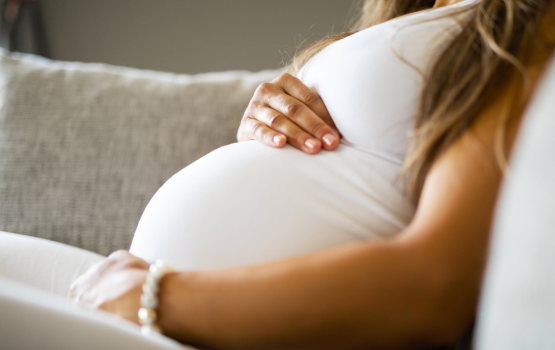
Credit: kjekol from Getty Images Pro
There is a global increase in anxiety, particularly in women, with onset starting in middle childhood. The problem is increasing in children, making it the sixth leading cause of global disease burden, and a leading cause of disease burden for adult females.
Now, Monash researchers have found that treating a mother’s depression and anxiety during pregnancy prevents their infant and young child from developing similar conditions, particularly in daughters.
The Mercy Pregnancy Emotional Wellbeing survey is a longitudinal study that has followed mothers and their offspring from early pregnancy to eight years of age, with a focus on understanding what influences intergenerational mental health. The survey is led by Professor Megan Galbally from the School of Clinical Sciences at Monash Health and has produced two recent publications in the Journal of Psychiatric Research and the journal Psychoneuroendocrinology.
The studies reveal that:
- The reason females are twice as likely to develop anxiety disorders as males, is likely linked to undiagnosed or untreated depression during pregnancy. This anxiety in daughters starts appearing as young as four years old
- For boys, maternal depression in childhood was associated with an increased risk of having anxiety
- Treating pregnant women for depression led to a reduction in depression and anxiety in children and four years of age and in girls at eight years of age
- Other differences in early life are also important in understanding what contributes to vulnerability to developing anxiety in children: in pregnancy, placental function and an infant’s early response to stress were both found to predict anxiety in girls but not boys
- Future research can build on these findings to develop more effective and individualised prevention and early intervention for anxiety
In one study, the researchers looked for reasons why anxiety disorders become more prevalent in females from middle childhood onwards. They studied 149 pregnant Victorian women to see whether early life predictors, including maternal depression, placental cortisol bioavailability, and infant cortisol reactivity, predict sex differences in anxiety disorders at age 8.
They found that female children of women with depression were more likely to experience anxiety than sons, and that this increased risk of anxiety in daughters was removed if the mothers were prescribed antidepressants.
“For those who develop anxiety disorders in childhood, rather than 'growing out of it', many are predicted to suffer ongoing relapse and poor mental health,” Professor Galbally said. “Treating depression and anxiety in mothers may be an important step in reducing the risk of anxiety in children.”
In an additional study, the researchers followed 246 Victorian women from their first trimester of pregnancy until their child reached four years of age, looking at parenting and mental health impacts of antidepressant treatment in pregnancy, on both mother and offspring. It found that women who had antidepressant treatment in pregnancy, associated with a reduction in their depression, were also associated with lower rates of children with childhood emotional disorders (depressive and anxiety disorders) at four years of age than those who remained clinically depressed.