
Monash study reveals decades of psychiatric brain imaging research has failed to replicate
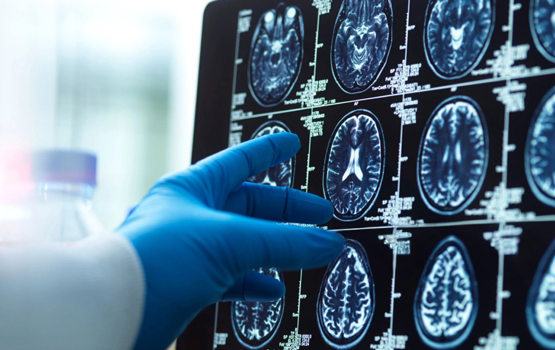
Source: Getty Images.
Monash research uncovers replication crisis in psychiatric brain imaging.
Current approaches to mapping the brain changes associated with mental illness are unlikely to converge on reliable brain markers for mental health diagnoses, according to a landmark study from Monash University.
The research, led by Dr Trang Cao, published in Nature Neuroscience, suggests that decades of studies comparing small samples of people with and without a diagnosis have failed to produce a consistent understanding of the key brain regions affected.
Mental illnesses affect nearly half the population and uncovering the brain changes that cause psychological symptoms is important for developing better treatments. Decades of research have used brain scanning technologies such as Magnetic Resonance Imaging (MRI) to map these brain changes, but they often report inconsistent findings.
To quantify the severity of this inconsistency, the study involved a world-first analysis of more than 6,000 brain scans, evaluating the consistency of grey matter volume and cortical thickness. Researchers pooled existing MRI data from 25 studies across 59 sites globally, covering five major psychiatric disorders: schizophrenia, schizoaffective disorder, autism spectrum disorder, major depressive disorder, and bipolar disorder.
For each site, the team mapped differences in the size of distinct brain regions between people diagnosed with and without one of these disorders. They then quantified the similarity of these maps between pairs of sites to assess how similar the findings were across study sites. They first showed that consistent findings can be observed across studies of Alzheimer’s disease, which is a neurodegenerative condition known to have a reliable structural signature in the brain. In contrast, the level of cross-site consistency for each of the five psychiatric disorders was much lower.
Further analyses revealed that the level of consistency between studies was not related different in clinical or demographic characteristics of the people being studied and that studying groups of 200-300 people may improve consistency for schizophrenia, but other disorders may require samples numbering in the thousands, which is a far cry from historical practices, which have often investigated groups of 50 people or less.
First author Dr Trang Cao, from the School of Psychological Sciences and Monash's Turner Institute for Brain and Mental Health, said the findings are a "wake-up call" for the field.
"This study shows just how inconsistent our current methods are at capturing structural brain changes in psychiatric conditions, despite decades of research," Dr Cao said. "The field lacks a consensus on the key brain regions affected by different diagnoses."
She further noted that the findings suggest categories like "depression" may not describe people with the same underlying brain condition; instead, they may represent an umbrella term that groups together people with symptoms caused by distinct sets of brain changes.
The researchers are now calling for a shift toward large-scale, collaborative research and alternative diagnostic frameworks that move toward more objective, biologically grounded measures.
Read the full study here: https://www.nature.com/articles/s41593-026-02359-0