
Study finds that treating depression in pregnancy can protect the child from emotional disorders as an infant and toddler
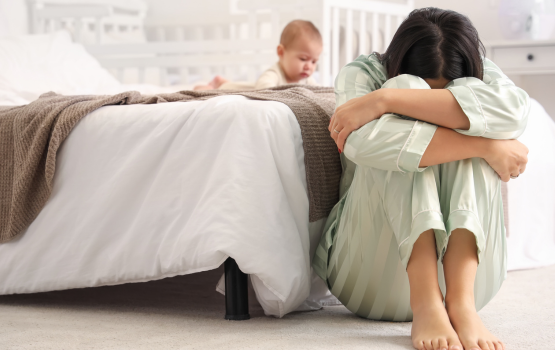
Credit: pixelshot
A Monash-led study has found that managing a woman’s depression during her pregnancy not only impacts her mental health but also protects her child against developing emotional disorders, such as anxiety as an infant and toddler, but does not shield the child from developing behavioural problems, such as aggression or having tantrums.
The findings contradict what the authors argue is a common misconception that not treating a mental health disorder with medication during pregnancy is a risk-free option.
The study, led by Professor Megan Galbally from the School of Clinical Sciences at Monash Health and published in the Journal of Psychiatric Research, followed 246 Victorian women from their first trimester of pregnancy until their child reached four years of age, looking at the mental health impact of antidepressant use on both the mother and offspring. It found that women whose depression was not successfully treated were more likely to have a child with an emotional disorder.
Of the women in the study, 49 took antidepressants in pregnancy, 23 had untreated depressive disorder, and 174 were controls. All the women were administered the Edinburgh Postnatal Depression Scale (EPDS) test twice in pregnancy and, again, at six and 12 months postpartum. At six months, the parent-infant relationship was measured using the Emotional Availability Scales (EAS). Child mental disorders were measured at four years of age with the Preschool Age Psychiatric Assessment (PAPA).
The Monash study found that women who had anti-depressant treatment in pregnancy, associated with a reduction in their depression, were also associated with lower rates of children with childhood emotional disorders (depressive and anxiety disorders) at four years of age than those who remained clinically depressed.
However, successful anti-depressant treatment made no difference to the rates of childhood behavioural disorders at four years of age. Neither of these findings was impacted by the quality of the parent-child relationship at six months post-birth.
“Our study suggests that successful treatment with anti-depressants in pregnancy does potentially protect children from emotional disorders at four years of age but does not protect from behavioural disorders or influence the early parenting relationship in infancy,” Professor Galbally said.
While Australia has universal screening for mental health in pregnancy, “so often the discussions around pharmacological treatment of mental illness in pregnancy focus only on risk, in particular for infant outcomes,” Professor Galbally said.
“What is not considered are the potential benefits from reducing the known detrimental impact of untreated depression for maternal outcomes, for their infants and for the quality of the emerging parenting relationship.”