
Newborn Research
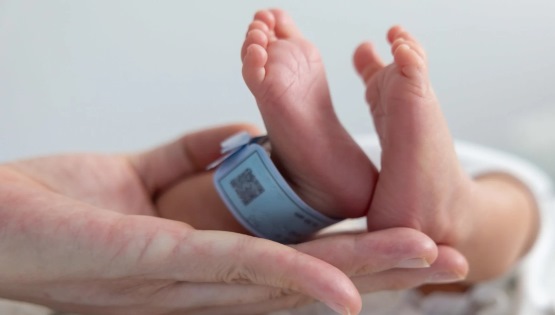
Advancing neuroprotection for pre-term babies
At just 22 weeks, a human baby weighs less than a can of soft drink. A generation ago, these infants were not resuscitated. Today, thanks to major advances in neonatal care, they’re being given a chance at life.
The Department of Paediatrics hosts one of the largest perinatal research clusters in Australia, together with local partners, which include The Ritchie Centre at Hudson Institute of Medical Research, Monash Children's Hospital and several Faculties and Schools of Monash University. The spectrum of the cutting-edge research we conduct ranges from biomedical and physiological discovery research to early phase clinical trials and covers a wide variety of fields (see links below). To achieve our ambitious academic and translational goals, we utilise modern, purpose-built facilities at the Monash Health Translation Precinct and their excellently equipped core facilities.
Researchers
 Staff and students
View
Staff and students
View

Senior advisor
- Philip Berger
Postdocs
- Steven Cho
- Michael Christie
- Nadia Deen
- Rimma Goldberg
- Ina Rudloff
Research nurse/Trial Coordination
- Rebecka Atkinson
- Kit Connelly
- Amy Rodriquez
Research Officer
- Ricki Marzan
Lab manager
- Esteban Pinto
Research & Technical assistants
- Sonia John
- Nicholas Johnson
- Marie Lee
- Liz Skuza
Neonatologist
- Dr Risha Bhatia
Cell therapy group members
- Tayla Penny
- Ishmael (Mikee) Inocencio
- Yen Pham
- Gordon McPhee
- Nancy Messino
- Mirja Krause
- Dandan Zhu
- Graeme Polglase
- David Wright
- Michael Ditchfield
- Mara Quach
- Siow Chan
- Yuan Chen
External Collaborators
- John Rasko
- Bernard Thebaud
- Manon Benders
- Amir Khan
- Charles Cox
- Elizabeth Baker
- Peter Davis
- Madison Paton
- Iona Novak
- Nadia Badawi
- Ngaire Elwood
- Himanshu Popat
- Megan Finch-Edmondson
Consumer Representatives
- Belinda Campbell
- Tatum Mitchell
- Brooke Hanson
Commercial Partners
- Cell Care Australia
- Generate Life Sciences
PhD students
- Alex Bell
- Sara diSimone
- Arya Jithoo
- Anna Kidman (Neonatal Nurse)
- Naveen Kumar
- Merrin Pang
- Dr Ralley Prentice
- Abdul Razak
- Madeleine Smith
- Holly Ung
- Lindsay Zhou
Masters student
- Marsha Majid
Honours students
- Steven Garrick
- Stacey Lo
- Natalie Mercuri
- Lucy Monk
- Josephine Owen
- Briana Peterson
- Joanna Picerni
- Lucas Tang
Completed PhD students
- Christine Bui, PhD
- Jason Lao, MBBS/PhD
- Manjeet Sandhu, MBBS/PhD
Research groups
Neurology, Neuro-development & Follow-Up
View
At Monash Newborn, medical, nursing and allied health staff are actively involved in clinical and preclinical research in neurology, neurodevelopment and neuroprotection to identify new ways to improve the care and outcome of the babies we look after. These are in association with our colleagues at The Ritchie Centre, Hudson Institute of Medical Research, as well as other local and international collaborators. All high risk infants, and any infant with proven brain injury are followed up using standardised assessment tools in the early neurodevelopment, and long term developmental follow up clinics. We have a particular focus on early detection and intervention of cerebral palsy, and work closely with Monash Children's Hospital allied health teams and the Victorian Paediatric Rehabilitation Service.
Research streams
Neonatal Brain Protection
View
We are accepting gradutate student applications (Honours/Masters/PhD). For enquiries please contact A/Prof Flora Wong via flora.wong@monash.edu.
Meet the team
View
Researcher

Other staff and students
Research fellows
PhD students
- Dr Brian Dunn
- Miss Georgina Plunkett
Research student
- Lisa van der Voet
Research assistants
Neuro development and Neuroprotection
View
The Neurodevelopment and Neuroprotection research group is embedded within the Fetal and Neonatal Health Neurodevelopment and Brain Injury Theme of The Ritchie Centre, and is closely affiliated with the Cell Therapy and Regenerative Medicine Theme led by Professor Graham Jenkin. The group provides a focus for experimental and clinical studies directed towards understanding, and inhibiting, the mechanisms that contribute to perinatal brain injury and functional deficits associated with cerebral palsy. We strive towards the implementation of treatments to decrease neonatal brain injury and that can be effectively administered either during pregnancy or in the neonatal period. Such treatments include antioxidants, anti-inflammatory agents, and stem cells obtained from the cord blood and placenta.
Professor Suzie Miller’s group comprises more than 20 members with experts in fetal physiology, neuroscience, stem cells, cardiovascular physiology, clinical obstetrics, neonatology and paediatrics. This group provides a highly-regarded training platform for biomedical and clinical students.
Meet the team
View
Researchers
Other staff and students
Senior Research Scientist
- Dr Emily Camm
Postdoctoral Scientist
- Dr Tayla Penny
Research Support Staff
- Dr Yen Pham
- Dr Amy Sutherland
PhD Students
- Elham Ahmadzadeh
- Alexander Bell
- Ingrid Dudink
- Arya Jithoo
- Beth Piscopo
- Charmaine Rock
- Madeleine Smith
- Tegan White
- Dr Lindsay Zhou
Honours Students
- Emma Pearson
- Neluni Yapa Udawela
Research Projects
- Stem cells to reduce perinatal brain injury – fact or fiction?
- Protecting the intrauterine growth restricted (IUGR) fetal brain with natural neurosteroids.
- Treating neonatal seizures with ganaxolone
- Can we modify neurovascular development in the IUGR brain with endothelial progenitor stem cells derived from cord blood?
- Umbilical cord blood stem cells to improve brain structure and function after severe birth asphyxia, when to administer and how many?
- Improving newborn wellbeing in a rural Indian community with a simple transdermal patch.
Perinatal Inflammation and Neurophysiology
View
Too much inflammation during pregnancy or shortly after birth is a fundamental process that contributes to impaired newborn brain development and function and can result in life-long disorders in movement, cognition, hearing and vision. Our team focuses on discovering the cellular and physiological pathways that underpin how inflammation impairs brain cell development and function, and studies how existing and new anti-inflammatory interventions could help restore healthy brain development. To achieve this, we use a highly integrated and multidisciplinary approach that includes preclinical models of developmental brain injury, fundamental neuroscience, electrophysiology, medical imaging and assessment of clinical samples. Through collaborative partnerships with clinical experts, academia and industry, we are developing new and improved compounds for the treatment of newborn brain injury; and developing physiological biomarkers and brain imaging technology to improve the sensitivity and specificity of brain injury detection for improved treatment outcomes.
We are accepting graduate student applications (Honours / Masters / PhD). For enquiries, please contact Dr Robert Galinsky on Robert.Galinsky@monash.edu
Meet the team
View
Researcher
Other staff and students
Research Assistants
- Mr Fraser Nott
Technical Assistant
- Mr Dalibor Stanojkovich
PhD students
- Ms Simerdeep Dhillon (University of Auckland)
- Ms Sharmony Kelly
- Ms Nhi Tran
Honours student
- Ms Ainsley Somers
Interventional Immunology for Early Life Disease
View

2019 Interventional Immunology group L-R: Kneeling: Esteban Pinto, Nick Johnson, Elizabeth Skuza, Manjeet Sandhu Standing: Holly Ung, Rimma Goldberg, Abhilasha Tiwari, Nadia Deen, Jane Shi, Christine Bui, Michael Christie, Claudia Nold, Merrin Pang, Marcel Nold, Ina Rudloff, Philip Berger, Sonia John, Rebecka Atkinson
Researchers
G’day – and thank you for visiting our website.
I am an Australian-, German- and US-trained clinician-scientist with appointments as Professor of Paediatric Immunology at Monash University’s Department of Paediatrics, the Hudson Institute’s Ritchie Centre, and as Consultant Neonatal Paediatrician at Monash Newborn, Monash Children’s Hospital.
My lab is firmly rooted in biomedical discovery science; however, achieving true translation and thereby making a real difference to patients’ lives has been our paramount goal for the past 10 years. Hence, my team and I harness our expertise in immunology, anti-inflammatory cytokines, drug discovery and early life diseases to unveil molecular mechanisms underpinning these diseases, thus identifying and pursuing novel therapeutic avenues. Our discoveries, often collaborative efforts with Australian and international partners in academia as well as the pharmaceutical and biotech industries, have been very well received; for an overview click here.
The team and I highly value the contribution of students to our work, and my senior staff and I are strongly dedicated to providing outstanding training, supervision and mentoring. We offer a wide variety of projects – for some examples click here – and students with a passion for science are always welcome. If this is you, please be in touch!
-
- Exploring a new frontier: The immune and coagulation systems of the premature infant and their relevance for the risk of the major diseases of prematurity.
Direct clinical relevance: high. Hands-on learning opportunities: Multi-color flow cytometry, protein arrays, cell culture of primary human blood cells. - Molecular tracking of the cytokine IL-37 in anti-inflammatory signalling.
Direct clinical relevance: medium/low. Hands-on learning opportunities: Confocal microscopy, molecular engineering (cloning), cell culture of primary human blood cells and cell lines. - Novel anti-inflammatory approaches for currently untreatable diseases of the preterm baby: IL-1Ra and IL-37 in animal models of bronchopulmonary dysplasia and necrotising enterocolitis.
Direct clinical relevance: high. Hands-on learning opportunities: Various aspects of work with mice, workup of tissues for various downstream applications, flow cytometry, histology, immunohistochemistry, protein detection by ELISA, synchrotron X-ray imaging. - Molecular characterisation of regulation and mechanism of action of the anti-inflammatory cytokine interleukin 37.
Direct clinical relevance: medium/low. Hands-on learning opportunities: Culture of primary human blood cells and cell lines, protein detection by ELISA, RNA detection by real-time PCR, flow cytometry, immunohistochemistry. - The first in vivo exploration of IL-38.
Direct clinical relevance: medium/low. Hands-on learning opportunities: Various aspects of work with mice, workup of tissues for various downstream applications, flow cytometry, histology, immunohistochemistry, protein detection by ELISA, RNA detection by real-time PCR.
- Exploring a new frontier: The immune and coagulation systems of the premature infant and their relevance for the risk of the major diseases of prematurity.
-
- Nold MF et al, PNAS 2013, PubMed ID 23946428
- In this paper, we show that IL-1Ra (interleukin 1 receptor antagonist), an endogenous anti-inflammatory mediator that has been available as a drug for ~25 years but has not been trialled in neonates, protects from the severe neonatal chronic lung disease BPD (bronchopulmonary dysplasia). Follow-on papers explore the best dosing strategy (PubMed ID 27957795), IL-1Ra’s effects on pulmonary hypertension (a severe complication of BPD, PubMed ID 31354700) and airway reactivity (PubMed ID 27482635). A clinical trial to substantiate IL-1Ra’s promise is in preparation.
- Nold MF et al, Nature Immunology 2010, PubMed ID 20935647
- Nold-Petry CA et al, Nature Immunology 2015, PubMed ID 25729923
- Here, we report the discovery of the function (paper 1 above), cell surface receptor and signalling (paper 2 above) of IL-37 (interleukin 37) an anti-inflammatory cytokine with exciting potential for use as a future medication for a wide spectrum of inflammatory diseases.
- Cho SX et al, Nature Communications 2020, PubMed ID 33188181
- This paper is our first to publish on a large collaborative study conducted over 7 years in three of the tertiary neonatal centres in Melbourne and Victoria. We show that IL-37 holds promise as a future therapy for necrotising enterocolitis (NEC), a severe intestinal disease that affects newborn babies.
- Bui et al, Journal of Reproductive Immunology 2017, PubMed ID 29035757
- Cho et al, Expert Reviews in Molecular Medicine 2016, PubMed ID 27341512
- If you want to know a bit more about BPD (paper 1 above) and/or NEC (paper 2 above), have a look at reviews we have published on these topics; note that students substantially contributed to these papers and are first authors.
- Nold MF et al, PNAS 2013, PubMed ID 23946428
Cell Therapy
View
Executive members
- Associate Professor Atul Malhotra (Co-Director)
- Dr Courtney McDonald (Co-Director)
- Professor Michael Fahey
- Professor Rod Hunt
- Professor Graham Jenkin
- Associate Professor Rebecca Lim
- Professor Suzanne Miller
- Dr Tamara Yawno
Translating Promise into Benefits
Monash Newborn is a world leader in the translation of stem cell therapies for newborn diseases from the bench to the bedside. Monash Newborn clinicians along with colleagues from The Ritchie Centre, Hudson Institute of Medical Research conducted the first-in-human trial of placental stem cells for preterm lung disease (bronchopulmonary dysplasia). They are currently involved in multicentre trials of a variety of stem cell therapies for newborn lung and brain conditions.
Aim
To facilitate translation of cell therapy solutions for neonatal conditions.
Mission statement
To improve and facilitate pre-clinical and clinical research translation of neonatal cell therapy possibilities by bringing together scientists, clinicians, commercial partners, trial coordinators, clinical and research staff interested in cell therapies.
Upcoming event
Find out more about us from the sections below:
-
Cord blood derived therapies
Autologous cells
- CORD-Safe* (Safety and feasibility study in extremely preterm infants)
- STELLAR* (Feasibility and safety study of multiple infusions in infants with antenatally diagnosed fetal stroke)
Allogeneic cells
- Preterm brain injury#
Expanded CD34+ cells
- Pre-clinical studies* (in vitro and in vivo studies)
Amnion derived cells
- RENEWAL* (Dose escalation study in preterm infants at high risk of bronchopulmonary dysplasia)
Exosomes/ Extracellular vesicles
Amnion derived EVs
- Pre-clinical studies* (in vitro and in vivo studies)
iPSC- derived MSCs
- NEO-Stem#(Safety study in infants with perinatal arterial stroke)
- Pre-clinical studies#
Neural stem cells
- Pre-clinical studies* (in vitro and in vivo studies)
*Current studies
#Planned studies -
Biennial workshop/ symposium – Showcasing latest preclinical and clinical research in neonatal cell therapies. Will include at least one international invited speaker.
Half-yearly update – Half-day workshop where students, researchers present the pre-clinical and clinical research progress for the last 6 months of the group. This will also include workshops and sessions on contract development, manufacturing, regulatory, intellectual property, patent strategy and other matters.
Half yearly executive meeting – This meeting would follow the half-yearly update and we would get the executive group together to assess the progress of the group, brain storm what needs to be done to progress certain areas, or raise concerns in areas that may benefit from redirection.
-
Research Nurse/Coordinator
- Kit Connelly
Research Officer
- Ricki Marzan
Members
- Tayla Penny
- Ishmael (Mikee) Inocencio
- Yen Pham
- Gordon McPhee
- Nancy Messino
- Mirja Krause
- Dandan Zhu
- Graeme Polglase
- David Wright
- Michael Ditchfield
- Mara Quach
- Siow Chan
- Yuan Chen
PhD Students
- Lindsay Zhou
- Abdul Razak
- Madeleine Smith
- Arya Jithoo
- Naveen Kumar
- Alex Bell
External Collaborators
- John Rasko
- Bernard Thebaud
- Manon Benders
- Amir Khan
- Charles Cox
- Elizabeth Baker
- Peter Davis
- Madison Paton
- Iona Novak
- Nadia Badawi
- Ngaire Elwood
- Himanshu Popat
- Megan Finch-Edmondson
Consumer Representatives
- Belinda Campbell
- Tatum Mitchell
- Brooke Hanson
Commercial Partners
- Cell Care Australia
- Generate Life Sciences
-
Selected media highlights
 Video courtesy: Monash Children's Hospital - Stem cell therapies, Dr Atul Malhotra (2:56min)
2025
- The Incubator Channel (video: 20:35): Atul Malhotra | Neonatal Cell Therapies: Translating Promise into Benefits | Delphi 2024
- NICU Lived Network (video: 1:09:19): Neonatal Cell Therapy Trials with Associate Professor Atul Malhotra
2024
- Monash news - Stem Cells: Hope on the Horizon for Preterm Babies
- Monash news - Monash cord blood cell therapy research recognised with multiple awards
- CGTlive - Atul Malhotra, MD, PhD, on the Importance of Preclinical Work for Bringing Cell Therapies to Clinic
2023
- Monash news - Giving Preterm Babies the Best Start
- The Australian - Stem cell ‘elixir’ hope for tiniest babies (news story accessible to subscribers)
- Monash news - Using stem cells to prevent brain damage in very preterm babies
2022
- Monash news - Translating Promise into Benefits
- Monash news - Lions Foundation provides support to neonatal cell therapy research
2021
- Monash news - Research on preterm brain injury treatment recognised
- Monash news - NHMRC Grant Success
2020
- Mirage news - Long-term outcomes of world-first study involving stem cells for premature babies with chronic lung
- Mirage news - Protecting growth-restricted babies from brain injury with stem cell therapy
- Monash news - Monash Newborn Research success at Cerebral Palsy Alliance Research Grants
- Monash news: DHHS funding to help develop treatment for chronic lung disease in premature babies
- Monash news - World-first clinical trial using umbilical cord blood cells to treat COVID-19
2018
- Channel 9 news - Major breakthrough with new therapy for premature babies
- Monash Lens - Stem cell treatment hope for babies with chronic lung disease
- Monash news - ‘Needle in a haystack’ of stem cells found – hope for cerebral palsy
2017
-
Upcoming events
2024 Neonatal Cell Therapies Symposium
- Date: 24 June 2024 at 8:30 am – 5:30 pm
- Venue: 187 Allambie Road Allambie Heights, NSW 2100
Join us across 1.5 days, with guest speakers and plenaries including Professor Manon Benders (UMC Utrecht, Netherlands) and national experts. Topics span a number of cell therapies and novel therapeutics within neonatal research and medicine. We offer opportunities for emerging leaders and students working in this space to submit abstracts, and present their research.
Past events
2023 Monash Children's Hospital Gala - Friday 10 Feb 2023 7:00 pm - 11:59 pm
- Venue: Palladium at Crown, Level 1 Crown Towers, Crown Melbourne, 8 Whiteman St, Southbank VIC 3006, Australia
On one very special night every year, Monash Children’s Hospital (MCH) hosts a spectacular evening of entertainment and fundraising in support of our very special hospital. Funds raised at this year's event will help support vulnerable babies in NICU. This will allow a greater chance of our very premature babies to not only survive, but thrive!
The 2023 Monash Children’s Hospital gala was a roaring success.Guests were treated to excellent food and entertainment and responded with outstanding generosity and enthusiasm. The over $1.2 million raised will make a positive difference in the lives of premature babies and their families.
2022 Neonatal Cell Therapies Symposium - 26 November 2022 8:00 am – 5:00 pm
- Venue: Novotel Melbourne on Collins, 270 Collins Street, Melbourne
- Open to: Scientists clinicians students
This First Ever Neonatal Cell Therapies Symposium showcased the best of preclinical and clinical advances with talks by leaders in the field. These include Prof Bernard Thebaud (University of Ottawa), Prof Alistair Gunn (University of Auckland) and a number of other national experts. There were opportunities for emerging leaders and students working in this space to submit abstracts, and present their research in the midst of experts.
-
- Umbilical Cord Blood-Derived Cell Therapy for Perinatal Brain Injury: A Systematic Review & Meta-Analysis of Preclinical Studies.
Nguyen T, Purcell E, Smith MJ, Penny TR, Paton MCB, Zhou L, Jenkin G, Miller SL, McDonald CA, Malhotra A. Int J Mol Sci. 2023 Feb 22;24(5):4351. doi: 10.3390/ijms24054351. PMID: 36901781 Free PMC article. Review. - Factors Influencing the Efficacy of Umbilical Cord Blood-Derived Cell Therapy for Perinatal Brain Injury.
Purcell E, Nguyen T, Smith M, Penny T, Paton MCB, Zhou L, Jenkin G, Miller SL, McDonald CA, Malhotra A. Stem Cells Transl Med. 2023 Mar 17;12(3):125-139. doi: 10.1093/stcltm/szad006. PMID: 36847059 Free PMC article. - Endothelial colony forming cell administration promotes neurovascular unit development in growth restricted and appropriately grown fetal lambs.
Bell A, Watt AP, Dudink I, Pham Y, Sutherland AE, Allison BJ, McDonald CA, Castillo-Melendez M, Jenkin G, Malhotra A, Miller SL, Yawno T.Stem Cell Res Ther. 2023 Feb 14;14(1):29. doi: 10.1186/s13287-023-03249-z. PMID: 36788590 Free PMC article. - Feasibility of cord blood collection for autologous cell therapy applications in extremely preterm infants.
Zhou L, McDonald CA, Yawno T, Penny T, Miller SL, Jenkin G, Malhotra A. Cytotherapy. 2023 Feb 3:S1465-3249(23)00007-5. doi: 10.1016/j.jcyt.2023.01.001. Online ahead of print. PMID: 36740465 - Acceptability of neural stem cell therapy for cerebral palsy: survey of the Australian cerebral palsy community.
Smith MJ, Finch-Edmondson M, Miller SL, Webb A, Fahey MC, Jenkin G, Paton MCB, McDonald CA. Stem Cell Res Ther. 2023 Feb 3;14(1):18. doi: 10.1186/s13287-023-03246-2. PMID: 36737828 Free PMC article. - Umbilical Cord Blood and Cord Tissue-Derived Cell Therapies for Neonatal Morbidities: Current Status and Future Challenges.
Zhou L, McDonald C, Yawno T, Jenkin G, Miller S, Malhotra A. Stem Cells Transl Med. 2022 Mar 17;11(2):135-145. doi: 10.1093/stcltm/szab024. PMID: 35259278 Free PMC article. - Effect of expansion of human umbilical cord blood CD34 + cells on neurotrophic and angiogenic factor expression and function.
Watt AP, Kirkland M, Nekkanti L, Pham Y, McDonald C, Malhotra A, Moeneclaey G, Miller SL, Jenkin G. Cell Tissue Res. 2022 Apr;388(1):117-132. doi: 10.1007/s00441-022-03592-2. Epub 2022 Feb 2. PMID: 35106623 Free PMC article. - Neural stem cell treatment for perinatal brain injury: A systematic review and meta-analysis of preclinical studies.
Smith MJ, Paton MCB, Fahey MC, Jenkin G, Miller SL, Finch-Edmondson M, McDonald CA. Stem Cells Transl Med. 2021 Dec;10(12):1621-1636. doi: 10.1002/sctm.21-0243. Epub 2021 Sep 20. PMID: 34542242 Free PMC article. - Umbilical cord blood therapy modulates neonatal hypoxic ischemic brain injury in both females and males.
Penny TR, Pham Y, Sutherland AE, Lee J, Jenkin G, Fahey MC, Miller SL, McDonald CA. Sci Rep. 2021 Aug 4;11(1):15788. doi: 10.1038/s41598-021-95035-1. PMID: 34349144 Free PMC article. - Window of opportunity for human amnion epithelial stem cells to attenuate astrogliosis after umbilical cord occlusion in preterm fetal sheep.
Davidson JO, van den Heuij LG, Fraser M, Wassink G, Miller SL, Lim R, Wallace EM, Jenkin G, Gunn AJ, Bennet L. Stem Cells Transl Med. 2021 Mar;10(3):427-440. doi: 10.1002/sctm.20-0314. Epub 2020 Oct 26. PMID: 33103374 Free PMC article. - Multiple doses of umbilical cord blood cells improve long-term brain injury in the neonatal rat.
Penny TR, Pham Y, Sutherland AE, Mihelakis JG, Lee J, Jenkin G, Fahey MC, Miller SL, McDonald CA. Brain Res. 2020 Nov 1;1746:147001. doi: 10.1016/j.brainres.2020.147001. Epub 2020 Jul 2. PMID: 32585139 - Autologous transplantation of umbilical cord blood-derived cells in extreme preterm infants: protocol for a safety and feasibility study.
Malhotra A, Novak I, Miller SL, Jenkin G. BMJ Open. 2020 May 11;10(5):e036065. doi: 10.1136/bmjopen-2019-036065. PMID: 32398336 Free PMC article. - Is Umbilical Cord Blood Therapy an Effective Treatment for Early Lung Injury in Growth Restriction?
Allison BJ, Youn H, Malhotra A, McDonald CA, Castillo-Melendez M, Pham Y, Sutherland AE, Jenkin G, Polglase GR, Miller SL. Front Endocrinol (Lausanne). 2020 Mar 3;11:86. doi: 10.3389/fendo.2020.00086. eCollection 2020. PMID: 32194502 Free PMC article. - Neurovascular effects of umbilical cord blood-derived stem cells in growth-restricted newborn lambs : UCBCs for perinatal brain injury.
Malhotra A, Castillo-Melendez M, Allison BJ, Sutherland AE, Nitsos I, Pham Y, McDonald CA, Fahey MC, Polglase GR, Jenkin G, Miller SL. Stem Cell Res Ther. 2020 Jan 8;11(1):17. doi: 10.1186/s13287-019-1526-0. PMID: 31915068 Free PMC article. - Intranasal Delivery of Mesenchymal Stromal Cells Protects against Neonatal Hypoxic⁻Ischemic Brain Injury.
McDonald CA, Djuliannisaa Z, Petraki M, Paton MCB, Penny TR, Sutherland AE, Castillo-Melendez M, Novak I, Jenkin G, Fahey MC, Miller SL. Int J Mol Sci. 2019 May 17;20(10):2449. doi: 10.3390/ijms20102449. PMID: 31108944 Free PMC article. - Human Umbilical Cord Therapy Improves Long-Term Behavioral Outcomes Following Neonatal Hypoxic Ischemic Brain Injury.
Penny TR, Sutherland AE, Mihelakis JG, Paton MCB, Pham Y, Lee J, Jones NM, Jenkin G, Fahey MC, Miller SL, McDonald CA. Front Physiol. 2019 Mar 22;10:283. doi: 10.3389/fphys.2019.00283. eCollection 2019. PMID: 30967791 Free PMC article. - Umbilical cord blood versus mesenchymal stem cells for inflammation-induced preterm brain injury in fetal sheep.
Paton MCB, Allison BJ, Fahey MC, Li J, Sutherland AE, Pham Y, Nitsos I, Bischof RJ, Moss TJ, Polglase GR, Jenkin G, Miller SL, McDonald CA. Pediatr Res. 2019 Aug;86(2):165-173. doi: 10.1038/s41390-019-0366-z. Epub 2019 Mar 11. PMID: 30858474 - Human Umbilical Cord Blood Therapy Protects Cerebral White Matter from Systemic LPS Exposure in Preterm Fetal Sheep.
Paton MCB, Allison BJ, Li J, Fahey MC, Sutherland AE, Nitsos I, Bischof RJ, Dean JM, Moss TJM, Polglase GR, Jenkin G, McDonald CA, Miller SL. Dev Neurosci. 2018;40(3):258-270. doi: 10.1159/000490943. Epub 2018 Sep 4. PMID: 30179864 - Preterm umbilical cord blood derived mesenchymal stem/stromal cells protect preterm white matter brain development against hypoxia-ischemia.
Li J, Yawno T, Sutherland AE, Gurung S, Paton M, McDonald C, Tiwari A, Pham Y, Castillo-Melendez M, Jenkin G, Miller SL. Exp Neurol. 2018 Oct;308:120-131. doi: 10.1016/j.expneurol.2018.07.006. Epub 2018 Jul 20. PMID: 30012511 - Effects of umbilical cord blood cells, and subtypes, to reduce neuroinflammation following perinatal hypoxic-ischemic brain injury.
McDonald CA, Penny TR, Paton MCB, Sutherland AE, Nekkanti L, Yawno T, Castillo-Melendez M, Fahey MC, Jones NM, Jenkin G, Miller SL. J Neuroinflammation. 2018 Feb 17;15(1):47. doi: 10.1186/s12974-018-1089-5. PMID: 29454374 Free PMC article. - Umbilical cord blood cells for treatment of cerebral palsy; timing and treatment options.
McDonald CA, Fahey MC, Jenkin G, Miller SL. Pediatr Res. 2018 Jan;83(1-2):333-344. doi: 10.1038/pr.2017.236. Epub 2017 Nov 1. PMID: 28937975 Review. - Term vs. preterm cord blood cells for the prevention of preterm brain injury.
Li J, Yawno T, Sutherland A, Loose J, Nitsos I, Allison BJ, Bischof R, McDonald CA, Jenkin G, Miller SL. Pediatr Res. 2017 Dec;82(6):1030-1038. doi: 10.1038/pr.2017.170. Epub 2017 Aug 16. PMID: 28723885 - Preterm white matter brain injury is prevented by early administration of umbilical cord blood cells.
Li J, Yawno T, Sutherland A, Loose J, Nitsos I, Bischof R, Castillo-Melendez M, McDonald CA, Wong FY, Jenkin G, Miller SL. Exp Neurol. 2016 Sep;283(Pt A):179-87. doi: 10.1016/j.expneurol.2016.06.017. Epub 2016 Jun 16. PMID: 27317990 - Cord blood mononuclear cells prevent neuronal apoptosis in response to perinatal asphyxia in the newborn lamb.
Aridas JD, McDonald CA, Paton MC, Yawno T, Sutherland AE, Nitsos I, Pham Y, Ditchfield M, Fahey MC, Wong F, Malhotra A, Castillo-Melendez M, Bhakoo K, Wallace EM, Jenkin G, Miller SL. J Physiol. 2016 Mar 1;594(5):1421-35. doi: 10.1113/JP271104. Epub 2015 Dec 14. PMID: 26527561 Free PMC article.
- Umbilical Cord Blood-Derived Cell Therapy for Perinatal Brain Injury: A Systematic Review & Meta-Analysis of Preclinical Studies.
-
Lung & Resuscitation
View
Group Head
Researchers
- Dr Douglas Blank
- Associate Professor Atul Malhotra
- Associate Professor Kenneth Tan
- Professor Stuart Hooper
- Professor Graeme Polglase
Current projects
-
Surfactant is a life-saving medication for preterm infants with respiratory distress syndrome. Current methods of surfactant treatment are effective, but challenging to perform, which means that surfactant treatment is not possible in all hospitals caring for newborn infants. The SURFSUP Trial is investigating an easier and more generalisable way to give surfactant, using simple devices called supraglottic airways. The trial is led by the Monash Newborn Research team, and includes colleagues in Australia, New Zealand, Norway and the UK. SURFSUP is funded by the NHMRC, with additional support from Chiesi Pharmaceuti. If shown to be effective, SURFSUP will make surfactant treatment more accessible for many preterm babies born in a variety of healthcare settings.
-
Routine assessment of ‘gastric residual volume’ (checking what is in the stomach before feeding) is a common practice in many hospitals caring for preterm infants. However, other hospitals do not measure gastric residual volume when establishing feeding. It is not clear which approach is the best way to safely establish feeding in preterm babies. The neoGASTRIC Trial will compare these two approaches in more than 7,000 infants, to determine which is best. neoGASTRIC is a collaboration between Australian units, led by Monash Newborn, and UK units, led by the NPEU at Oxford University and Imperial College London, and is funded by the NHMRC and NIHR (UK).
-
Infants exposed to a lack of oxygen during or prior to birth (asphyxia) are at high risk of death or disability. Unfortunately, there is a lack of good-quality evidence to guide how best to assess and provide resuscitation treatment for these infants. Our group includes clinical neonatologists and leading physiologists from The Ritchie Centre, working in collaboration with clinical colleagues from Australia and Canada, to determine more effective ways of providing advanced resuscitation treatments such as chest compressions and adrenaline. This program of research has attracted funding from Heart Foundation Australia and the Cerebral Palsy Alliance.
Completed projects
-
The HIPSTER Trial compared two treatments for preterm infants requiring breathing support soon after birth: nasal High Flow, a newer, more comfortable and easy-to-use treatment, and continuous positive airway pressure (CPAP), the established treatment. CPAP was found to be the most effective treatment, but nasal High Flow could be used effectively in the majority of infants. The HIPSTER Trial influenced international guidelines on breathing support for preterm infants, and thousands of infants receive nasal High Flow treatment in Australia annually.
-
The majority of preterm infants are born in regional special care nurseries, rather than large metropolitan neonatal intensive units. The HUNTER Trial was the first trial to evaluate the use of nasal High Flow in special care nurseries, providing the evidence that this treatment was feasible in these units. Two of the nine participating study centres were Monash Newborn units: Casey Hospital and Dandenong Hospital.
-
Intubation (placement of a breathing tube into the airway) is a critical procedure for the sickest and most preterm infants, who require breathing support from a ventilator. The SHINE Trial showed that by applying nasal High Flow support during intubation, the procedure was more likely to be completed at the first attempt, and infants’ oxygen levels were more stable during the procedure.
-
‘Physiologically-based cord clamping’, involves the provision of breathing support with the umbilical cord intact, so that lung aeration is achieved before the cord is clamped. The BabyDUCC Trial assessed the use of this approach in a group of infants born at 32 weeks’ gestation and above, who needed breathing support at birth, showing it could be performed feasibly and safely. The BabyDUCC Trial also provided new data on normal reference ranges for heart rate and oxygen levels in infants receiving delayed cord clamping, who did not require resuscitation.
Selected publications
Roberts CT, Owen LS, Manley BJ, Frøisland DH, Donath SM, Dalziel KM, Pritchard MA, Cartwright DW, Collins CL, Malhotra A, Davis PG; for the HIPSTER Trial Investigators. Nasal High-Flow Therapy for Primary Respiratory Support in Preterm Infants. NEW ENGLAND JOURNAL OF MEDICINE 2016 Sep 22;375(12):1142-51. doi: 10.1056/NEJMoa1603694.
Manley BJ, Arnolda GRB, Wright IMR, Owen LS, Foster JP, Huang L, Roberts CT, Clark TL, Fan WQ, Fang AYW, Marshall IR, Pszczola RJ, Davis PG, Buckmaster AG; HUNTER Trial Investigators. Nasal High-Flow Therapy for Newborn Infants in Special Care Nurseries. NEW ENGLAND JOURNAL OF MEDICINE 2019 May 23;380(21):2031-2040. doi: 10.1056/NEJMoa1812077.
Hodgson KA, Owen LS, Kamlin COF, Roberts CT, Newman SE, Francis KL, Donath SM, Davis PG, Manley BJ. Nasal High-Flow Therapy during Neonatal Endotracheal Intubation. NEW ENGLAND JOURNAL OF MEDICINE 2022 Apr 28;386(17):1627-1637. doi: 10.1056/NEJMoa2116735.
Badurdeen S, Davis PG, Hooper SB, Donath S, Santomartino GA, Heng A, Zannino D, Hoq M, Omar F Kamlin C, Kane SC, Woodward A, Roberts CT, Polglase GR, Blank DA; Baby Directed Umbilical Cord Clamping (BabyDUCC) collaborative group. Physiologically based cord clamping for infants ≥32+0 weeks gestation: A randomised clinical trial and reference percentiles for heart rate and oxygen saturation for infants ≥35+0 weeks gestation. PLoS MEDICINE 2022 Jun 23;19(6):e1004029. doi: 10.1371/journal.pmed.1004029.
Roberts CT, Halibullah I, Bhatia R, Green EA, Kamlin COF, Davis PG, Manley BJ. Outcomes after Introduction of Minimally Invasive Surfactant Therapy in Two Australian Tertiary Neonatal Units. JOURNAL OF PEDIATRICS 2021 Feb;229:141-146. doi: 10.1016/j.jpeds.2020.10.025. Epub 2020 Oct 14.
Green EA, Dawson JA, Davis PG, De Paoli AG, Roberts CT. Assessment of resistance of nasal continuous positive airway pressure interfaces. ARCHIVES OF DISEASE IN CHILDHOOD FETAL AND NEONATAL EDITION 2019 Sep;104(5):F535-F539. doi: 10.1136/archdischild-2018-315838. Epub 2018 Dec 19. PMID: 30567774
Blank DA, Polglase GR, Kluckow M, Gill AW, Crossley KJ, Moxham A, Rodgers K, Zahra V, Inocencio I, Stenning F, LaRosa DA, Davis PG, Hooper SB. Haemodynamic effects of umbilical cord milking in premature sheep during the neonatal transition. ARCHIVES OF DISEASE IN CHILDHOOD FETAL AND NEONATAL EDITION 2018 Nov;103(6):F539-F546. doi: 10.1136/archdischild-2017-314005. Epub 2017 Dec 5. PMID: 29208663; PMCID: PMC6278653.
Roberts CT, Klink S, Schmölzer GM, Blank DA, Badurdeen S, Crossley KJ, Rodgers K, Zahra V, Moxham A, Roehr CC, Kluckow M, Gill AW, Hooper SB, Polglase GR. Comparison of intraosseous and intravenous epinephrine administration during resuscitation of asphyxiated newborn lambs. ARCHIVES OF DISEASE IN CHILDHOOD FETAL AND NEONATAL EDITION 2022 May;107(3):311-316. doi: 10.1136/archdischild-2021-322638. Epub 2021 Aug 30.
Polglase GR, Schmölzer GM, Roberts CT, Blank DA, Badurdeen S, Crossley KJ, Miller SL, Stojanovska V, Galinsky R, Kluckow M, Gill AW, Hooper SB. Cardiopulmonary Resuscitation of Asystolic Newborn Lambs Prior to Umbilical Cord Clamping; the Timing of Cord Clamping Matters! FRONTIERS IN PHYSIOLOGY 2020 Jul 30;11:902. doi: 10.3389/fphys.2020.00902.
Polglase GR, Hwang C, Blank DA, Badurdeen S, Crossley KJ, Kluckow M, Gill AW, Camm E, Galinsky R, Brian Y, Hooper SB, Roberts CT. Assessing the influence of abdominal compression on time to return of circulation during resuscitation of asphyxiated newborn lambs: a randomised preclinical study. ARCHIVES OF DISEASE IN CHILDHOOD FETAL AND NEONATAL EDITION 2023 Dec 14:fetalneonatal-2023-326047. doi: 10.1136/archdischild-2023-326047. Epub ahead of print.
Cardiovascular
View
Researchers
Newborn - Cardiovascular research in the Department of Paediatrics covers the full spectrum from basic to clinical research, including strong interest in various forms of pulmonary hypertension, the ductus arteriosus, echocardiography and interventional studies in models of neonatal cardiopulmonary disease.