
Heart Foundation funding windfall to drive improvements in cardiac outcomes
The sub-Faculty of Translational Medicine and Public Health at the Alfred precinct is celebrating a flurry of funding from Heart Foundation Australia, who released details on their latest grant recipients this week. Fifty-three projects worth $13.1 million, all investigating the causes, treatment and prevention of heart disease, stroke and related disorders were announced.
 Congratulations to all of our very worthy winners!
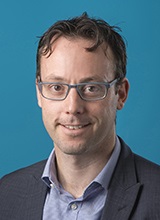
Cardiologist and School of Public Health and Preventive Medicine (SPHPM) researcher Associate Professor Dion Stub received a Vanguard Grant, and in the process won the 2020 Ross Hohnen Award for most outstanding and innovative Vanguard Grant application. He’ll be applying his strong interest in cardiology to an investigation of the role of inotropic drugs – medicines that change the force of heart contractions – in treating patients in cardiogenic shock, where the heart cannot pump enough blood to supply oxygen to the vital organs.
His phase two randomised controlled trial, PANDA, will focus on patients experiencing shock in the pre-hospital setting. Standard practice involves paramedics administering adrenaline to stabilise shocked patients, and it does so largely by increasing the heart rate. However, some evidence suggests that the closely related hormone noradrenaline may have a role to play, by narrowing the blood vessels and boosting dangerously low blood pressure.
PANDA will be the first study in the pre-hospital setting to critically evaluate the initial management of patients with shock. 1,000 patients will be enrolled over two years,  and it has potential to impact national and international treatment guidelines.
Cardiac and SPHPM critical care researcher Associate Professor Janet Bray was successful in securing her second Future Fellowship from the Foundation, which will commence in July 2021. The new four-year award will allow her to pursue her project, Optimising the emergency management of acute cardiovascular events.
Strokes, heart attacks and cardiac arrests are time-critical events affecting one in five Australians, and are a major cause of death and disability. Whilst immediate treatment can reduce injury and save lives, many patients don’t receive best treatment in the most crucial period straight after the event.
Janet will investigate the barriers to this and evaluate strategies to improve access to these treatments. To do this she’ll focus on improving public recognition of and response to these medical events, and build up the evidence base underpinning these treatments, 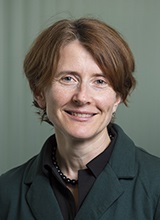 many of which are utilised today based on expert consensus.
Associate Professor Lisa Moran from the Monash Centre for Health Research and Implementation received a Vanguard Grant for a two-year project commencing in January 2021. She’ll explore screening and management of women with cardiometabolic conditions during pregnancy.
During pregnancy, women can develop certain conditions which can indicate that they have a higher risk of heart disease later in life, such as gestational diabetes, gestational hypertension, pre-eclampsia or excessive weight gain. When combined, these conditions can affect a third to up to a half of all pregnant women. These women can benefit from dietary and physical activity interventions combined with additional screening for diabetes, high blood pressure and heart disease following birth, but there are gaps in clinical care that derail rapid identification and support.
Lisa will develop a tool to identify high-risk women and modify and adapt previously successful interventions to a digital delivery model to expand access. 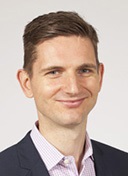 After roll-out, they’ll evaluate results in a public hospital setting.
Dr Aidan Burrell from the Australian and New Zealand Intensive Care Research Centre has secured a Postdoctoral Fellowship that will see him pursue a project to improve the long-term outcomes for acute heart failure patients requiring Extracorporeal Membrane Oxygenation (ECMO). ECMO is a technology that oxygenates the blood outside the body, and can be lifesaving for thousands of patients in Australia with acute heart failure or experiencing cardiac arrest. However, it is a high-risk and expensive process, costing on average over $300,000 per patient, and there is very limited evidence to guide best practice. Despite this, it’s use has doubled in the last five years.
Aidan’s research will address several key knowledge gaps in the use of ECMO, including how to deliver it more safely, and how to identify patients that would most benefit from treatment. He’ll also develop standard outcome measures that can be used across ECMO research, to tackle current problems whereby research reports on different outcomes, 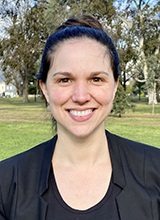 making it difficult to compare and synthesise results.
Cardiologist and PhD student at the Central Clinical School, Dr Jessica O’Brien, received an Aboriginal and Torres Strait Islander Award for her project Quantifying myocardial inflammation in acute rheumatic fever and rheumatic heart disease. This grant is focused on capacity building and increasing Indigenous representation at all levels of research.
Jessica will use cardiac MRI to identify myocardial inflammation in acute rheumatic fever (ARF) with the aim of improving diagnostic accuracy and predicting which patients are most likely to progress to rheumatic heart disease (RHD). Improving these would ensure that antibiotic prophylaxis and follow-up can be optimised accordingly with the overall goal of helping to reduce RHD prevalence and severity.
She says, ‘Because of my background, I have always been interested in Indigenous health, but it wasn't until I started physician training that I saw the extent of the disparity in health outcomes between Indigenous and non-Indigenous Australians. One of the many contributors to this is the  disproportionately low numbers of Aboriginal and Torres Strait Islander health professionals and researchers.’
Cardiovascular pharmacology researcher Associate Professor Bing Wang also received a Vanguard Grant for a project to be delivered via his role at Baker Heart and Diabetes Institute.