
Study reveals a lack of standardisation in burns care across Australia
Australian hospitals admit thousands of patients with burn injuries each year, but new data from the Burns Registry of Australia and New Zealand reveals variation in the way they treat seemingly similar injuries, and significant differences in patient outcomes including in-hospital mortality. The results underscore a need for specialist burn services to adopt the most effective models of care, to improve patient outcomes nationally.
 A recent study using data from the Burns Registry of Australia and New Zealand (BRANZ) reveals the types of patients seen by specialist burn services differ from hospital to hospital.
“We think differences in transfer availability and admission policies may contribute to these differences,” said Dr Lincoln Tracy, Monash University researcher and lead author. “For example, certain hospitals manage all burn injuries occurring in their jurisdiction; regardless of how severe the injury is. In contrast, other hospitals only treat patients with injuries of a certain severity.”
Researchers analysed admissions data for more than 8,000 adults treated at any of the eight specialist burn services in Australia between July 2016 and June 2020.
Patients treated at the different hospitals differed in demographic factors – such as age and gender – as well as in the type and severity of their injuries. For instance, the mechanism of injury (flame burns compared to scalds or a contact burn) was associated with how much of the body was burned. The hospital with the greatest proportion of patients with a flame burn had a greater proportion of patients with burns affecting at least 20% of their body.
Two-thirds of patients admitted to another hospital sustained deep full thickness burns, which was a higher proportion than several other hospitals. Patients treated at this hospital may have been less likely to receive the recommended first aid for the treatment of burns: 20 minutes of cool running water within three hours of the injury. Previous research has shown the application of the recommended first aid can reduce burn wound depth and the likelihood a patient will require surgery.
The study found other differences in management and outcomes for patients between services – such as whether they received a skin graft or how long they stayed in hospital – even after accounting for demographic and injury event differences that affect these outcomes. Most notably, the adjusted proportion of patients who died in-hospital because of their injuries varied many-fold between 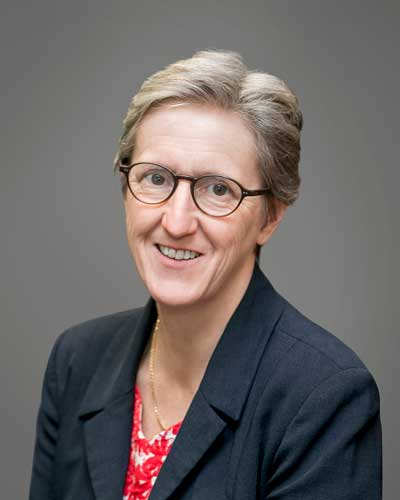 burn care services, ranging from 0.3% to 1.2%.
Associate Professor Heather Cleland, Plastic Surgeon and Head of the Victorian Adult Burns Service at The Alfred, said differences in how individual burn services treat patients may explain some of the observed variation.
“Although there may be other factors that we were unable to control for which contribute to this variation, we believe differences in models of care – how hospitals go about managing and treating the injuries their patients sustain – is an important contributor,” Associate Professor Cleland said. “Some services have more visible and detailed management algorithms than others, and there is likely a lack of consistency in treatment approaches both within and between hospitals. Different resourcing, patterns of demand, and models of care can all interact to influence outcomes.”
Comparing the performance of burn services was important to ensure consistent, high-quality care is provided to patients across the country is important, according to Dr Tracy.
“Once all eight Australian services had been part of the BRANZ for a number of years, we were keen to explore the data we had collected,” Dr Tracy said. “It was the right time to undertake a bit of benchmarking and see if we could find differences in key clinical measures of interest.”
Associate Professor Cleland hopes the findings will lead to a collegial and collaborative response from burn services across the country.
“We hope this paper will act as a catalyst in our ongoing efforts to engage with the burns services that contribute data to the registry,” Associate Professor Cleland said. “Getting everyone together and discussing how this variation can be addressed to lead to better outcomes for patients is an important next step in our ongoing efforts into improving patient care.”
The study updated and extended previous research into variation in treatment and outcomes in burn care throughout Australia and New Zealand.
The BRANZ is a collaboration between Monash University’s School of Public Health and Preventive Medicine and the Australian and New Zealand Burn Association.
Click here for more news from the School of Public Health and Preventive Medicine