
Sexual violence response training program expands with $6.4M funding package
As part of the Government’s commitment to end gender-based violence in one generation, the Department of Social Services (DSS) has announced a $6.4M funding package for Monash University’s Department of Forensic Medicine (DFM) to expand a pilot program to train frontline workers dealing with disclosures of adult sexual violence. The new funding is part of the National Plan to End Violence Against Women and Children 2022–2032, and will see the program run nationally for the next five years.
The 2016 Australian Bureau of Statistics Personal Safety Survey showed that over 1.5 million women had experienced at least one sexual assault since the age of 15, and almost 150,000 women had experienced sexual assault in the 12 months before the survey.
In response to these figures, DFM and consortium partner the Victorian Institute of Forensic Medicine (VIFM) developed and delivered the pilot program, under an initial grant from DSS in 2019. The program is Australia’s first training course accredited by multiple professional bodies to help healthcare professionals and frontline workers better recognise and respond to victims of sexual violence. It offers bespoke training that considers the different roles and needs of medical professionals and frontline workers in community-based organisations. Both streams are evidence-based and trauma-informed.
During 2021 and 2022 it was delivered to 404 health professionals, including GPs and nurses in rural and remote areas who work regularly with patients at higher risk of experiencing sexual violence.
 Head of DFM Prof Richard Bassed says, "This course has filled an important gap in healthcare training, helping frontline workers respond to patients in a way that is trauma-informed and allows them to access the services they need.
"This additional funding will enable even more healthcare practitioners to recognise and respond appropriately to disclosures in ways that promote healing."
Reporting rates of sexual violence have jumped in recent years – between 2010 and 2021, rates of sexual assault victimisation recorded by police for Australians aged 15 and over rose by more than 40 per cent. Whether this indicates a higher rate of incidence or greater openness to reporting among victims is not known.
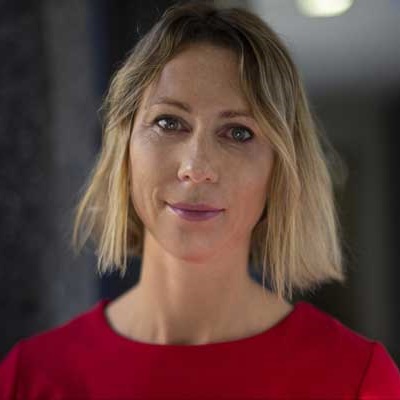 Course curriculum lead and VIFM Senior Forensic Physician Dr Maaike Moller says, "We’re thrilled to see the expansion of this important work. The rising rates of reporting found in ABS data underscores the importance of a well-trained workforce able to adequately deal with increased disclosures of sexual violence."
The course comprises three six-hour long units taking participants on a deep dive into the drivers and effects of sexual violence, responding to adult disclosures and responding to at-risk patients, building their confidence and competence in each. The units will now be delivered continuously over the next five years.
Prof Bassed says, "Many providers want to help victims of sexual violence, but don’t know where to start or may feel worried about doing or saying the wrong thing. We’ve had great feedback to date from participants citing increased confidence in dealing with this sensitive issue, so we’re very happy to continue meeting this demand."
Some of the participant feedback has included:
Participant 1: "I'm more aware now how to approach victims who present, and how to better support them and inform them on the options and services available for them."
Participant 2: "I feel more confident to talk about sexual assault, to know what to say to a victim/survivor, to know how to start guiding them in working out what they want moving forward, to know the basic support avenues that exist for these groups. And I have a much deeper grasp of the intersectional model of trauma and how this can play out."
Participant 3: "I'm now much more aware of sexual violence issues affecting a huge range of social demographics and feel empowered to have a consultation on this."
The CPD program is accredited by the Royal Australian College of General Practitioners (RACGP), the College of Emergency Medicine, the College of Rural and Remote Medicine and the Australian College of Nurses, each of which offer Continuing Professional Development (CPD) hours.
More information on the course can be found here.
Click here for more news from the School of Public Health and Preventive Medicine