
Tackling the scourge of social isolation and loneliness
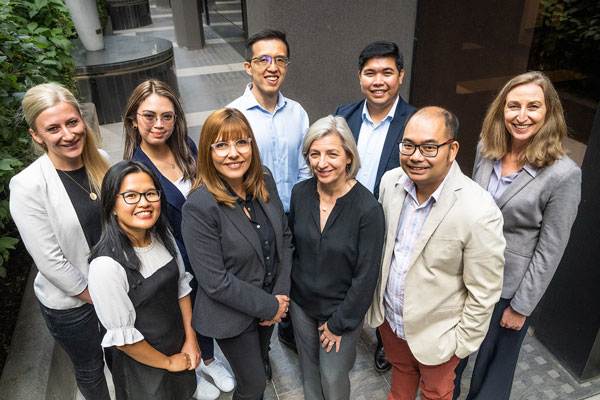 A $1.7M NHMRC grant announced yesterday will allow researchers from our Health Economics Group to tackle the scourge of social isolation and loneliness, through a deep exploration of the Australian landscape, and subsequent development of evidence-informed, effective and cost-effective tools and strategies for clinicians and carers to better manage people at risk.
Social isolation is an objective measure of the number and quality of social connections within a person’s orbit, and the frequency with which they interact; loneliness refers to the negative emotional sensations generated by a person’s perceptions of their social connectedness.
One in four Australians experience problematic levels of social isolation or loneliness, with those under 25yo and over 65yo most at risk. Previous research has shown associations with a range of adverse outcomes, including depression, cardiovascular disease, diabetes, dementia, suicidality and early death.
Grant Chief Investigator Professor Cathy Mihalopoulos has a strong track record in applying a health economics lens to mental health challenges, and welcomes the opportunity to lead a broad program of studies and projects under the funding.
“There are so many ways in which social isolation and loneliness may influence health, and conversely, health may also influence social isolation and loneliness. Our team is excited to be able to chip away at some of these complexities, and come up with some practical, affordable and evidence-based approaches to lessen the load.”
Chronic diseases are a classic example of this feedback loop. While loneliness and social isolation may increase the risk of developing a chronic disease, evidence also shows that those living with one are also more likely to report high levels of loneliness and social isolation.
The group’s work will therefore include a stream of projects to identify interventions that can be deployed by clinicians and allied health staff managing people with existing chronic diseases. This body of work is unique - the researchers will develop a national registry of community-based programs and services, and elicit and weight consumer preferences for different components of recorded interventions.
In addition to focusing on those with pre-existing chronic diseases, they’ll also create a conceptual model of social isolation and loneliness in Australia, and make the most of existing large datasets by using them to better understand predictors, identify geographic hotspots, and how they might contribute to chronic diseases.
Finally, they’ll create a suite of resources for practitioners to use, including a decision aid, and assess them for cost-effectiveness and equity.
Professor Mihalopoulos is optimistic about the program. “Social isolation and loneliness are modifiable; we know they can be influenced. But approaches need to be holistic, and tailored to meet the needs of individuals. With the huge personal and economic burdens created by these twin effects, this is an exciting opportunity to start doing that in an evidence-based way.”
Click here for more news from the School of Public Health and Preventive Medicine