
Tuberculosis and blood cancer researchers recognised with NHMRC Excellence Awards
Congratulations to Epidemiological Modeller Dr Romain Ragonnet and Haematologist-researcher Prof Zoe McQuilten, who’ve respectively been awarded the NHMRC’s annual Frank Fenner and David Cooper Awards, in recognition of the high calibre of their grant applications, each judged the best in field.
Dr Romain Ragonnet – Frank Fenner Investigator Grant Award: Tuberculosis (TB) control
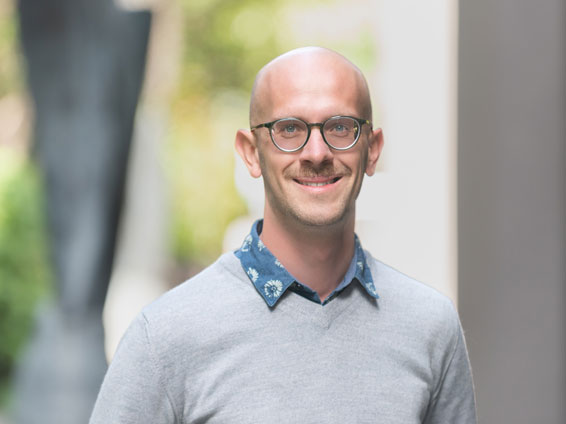
Dr Ragonnet works with our Epidemiological Modelling Unit, and brings a strong track record in TB control to this project. TB is the second most common cause of death from a single infectious agent worldwide, after COVID-19. Two major challenges currently hamper TB control efforts. First, latent TB infection is estimated to affect 25% of the world population and represents a huge reservoir of potential future disease. Second, TB programs fail to detect about three million individuals with active TB every year.
Current strategies to control spread generally include preventive treatment to prevent latent TB reactivation, and active case finding of symptomatic people who are unlikely to proactively seek diagnosis and treatment. Determining which populations are best suited for each, and how they are best deployed in resource-poor areas that are most affected by TB is unclear, and a contextualised, multifactorial solution is needed.
Dr Ragonnet’s funding will allow him to use modelling to identify the most efficient strategies for implementing active case finding and preventive treatment in high TB burden countries. This will be done while allowing for TB control policies to change over time to maximise the impact. He’ll also identify optimal, adaptive strategies for 10 high TB burden countries, leading to detailed and readily usable country-specific recommendations for TB control.
The award recognises the highest ranked Basic Science or Public Health application in the Emerging Leadership Level 1 category in an area of international public health. It’s named after the renowned Professor Frank Fenner, a distinguished virologist who oversaw the global eradication of smallpox and the introduction of the Myxoma virus to control Australia’s rabbit plague.
Professor Zoe McQuilten – David Cooper Award: Blood cancer research

Clonal haematopoiesis of indeterminate potential (CHIP) has emerged in the last five years as a newly-understood risk factor for blood cancers, coronary heart disease, and ischaemic stroke. CHIP is the presence of a clone(s) of blood cells harbouring genetic mutations that are associated with blood cancer, but without causing disease. The prevalence of CHIP rapidly increases with age.
Experimental evidence suggests a causal link between CHIP and disease, via altered expression of inflammatory cytokines, however the role of testing, monitoring or treatment of CHIP in clinical practice is unknown.
Leveraging the landmark ASPirin in Reducing Events in the Elderly (ASPREE) study, Professor McQuilten and colleagues have established the world’s largest, longitudinal cohort study of CHIP in healthy older individuals at two timepoints: baseline, and/or at three years down the track.
This new funding will allow them to take a third measurement at nine years, along with serial inflammatory cytokines paired with the longitudinal follow-up for clinical endpoints. It will help them determine the value of monitoring CHIP in clinical practice, help us understand the factors that drive clonal expansion, and determine if CHIP leads to disease via changes in inflammatory cytokines. All of this new knowledge will help future monitoring and potential interventions or treatments for people with CHIP.
The David Cooper Award recognises the highest ranked grant application under the annual NHMRC Clinical Trials and Cohort Studies Grant Scheme. This award is named to honour the achievements of Professor David Cooper, an Australian HIV/AIDS clinical researcher and immunologist whose leadership of clinical trials and work with affected communities made a lasting contribution to the treatment of HIV in Australia and around the world.
Click here for more news from the School of Public Health and Preventive Medicine