
Iron infusion before heart surgery improves recovery and reduces need for transfusions
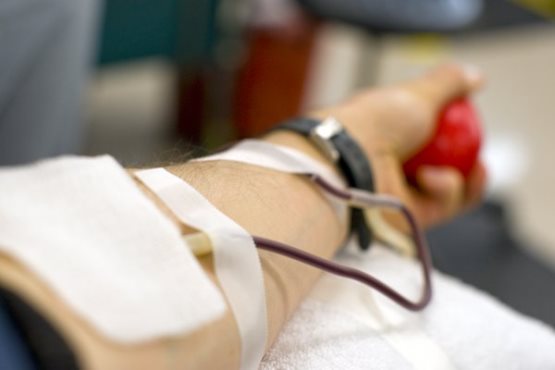
Giving patients an iron infusion before heart surgery could soon become standard care after a major international study led by The Alfred and Monash University.
Published in the British Medical Journal (BMJ), the study involved 955 patients across 33 Australian hospitals and nine international sites.
It is the first large-scale trial to show that intravenous iron can improve outcomes for anaemic cardiac patients.
Anaemia affects around one-third of patients who require heart surgery.
The condition reduces oxygen-carrying red blood cells, increasing the likelihood of needing a blood transfusion during or after an operation.
“This study is set to change the way heart specialists prepare for surgery, with up to 40
percent of patients currently requiring blood products during or after their procedure,” said Distinguished Professor Paul Myles, Head of Anaesthesiology and Perioperative Medicine at Monash University and The Alfred.
“Blood transfusions are associated with a higher risk of complications and longer hospital stays, making it important to reduce their use wherever possible.”
Researchers found that patients who received intravenous iron were one-third less likely to require a blood transfusion during their hospital stay compared with those who received a placebo.
They also spent more time recovering at home during the first three months after surgery.
For every 100 patients treated with intravenous iron, the study saved 44 units of blood products, reducing demand on blood supplies while improving patient outcomes.
“Not only did it lead to better outcomes for them, but it meant that we were able to improve outcomes for one of our most vulnerable groups – patients with anaemia,” said Prof Myles.
Iron deficiency is the most common cause of anaemia, although the condition is also common among people living with chronic illnesses such as heart disease, kidney disease and diabetes.
“Both anaemia and blood transfusions are associated with a higher risk of complications and longer stays in intensive care and hospital, and while iron tablets are often used to treat anaemia, they can work too slowly for patients awaiting surgery,” said Prof Myles.
“These results clearly show that a single infusion safely restored iron levels in the lead up to their procedure and left patients better off.”
The Intravenous iron to treat anaemia before cardiac surgery (ITACS) was an international, double blind, placebo controlled randomised trial.
It was funded by the National Health and Medical Research Council and the Australian and New Zealand College of Anaesthetists.
Read the full paper in the British Medical Journal (BMJ).