
Monash study investigates cord-blood stem cells to prevent brain damage in preterm babies
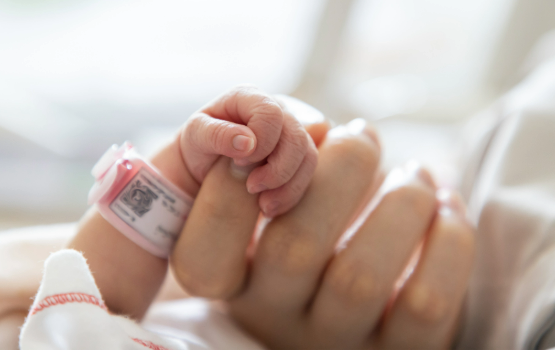
Source: Adobe Stock, by Rattanachat.
Researchers from Monash University, Monash Health and the Hudson Institute of Medical Research are working on a potentially game-changing treatment for brain injuries in preterm babies using stem cells from cord blood units donated by families after the birth of a full-term baby.
The ALLO Trial is recruiting participants to test the feasibility and safety of using unrelated, banked cord blood derived stem cells in preterm babies with significant brain injury.
Researchers hope the cord blood cell therapy will be a natural protective shield for the infants’ brains, with umbilical stem cells proven to have anti-inflammatory, immunomodulatory and other protective mechanisms for the developing brain.
The research follows a world-first trial by Monash University and Monash Health published last year that showed infusing preterm babies with stem cells derived from their own umbilical cord was not only feasible and safe in many cases but may protect the baby from brain damage.
Cord blood is sourced from the BMDI Cord Blood Bank, one of three public cord blood banks in Australia, where mothers have the opportunity to consent to their cord blood being used for clinical research.
Lead researcher Associate Professor Atul Malhotra, from Monash University, Monash Health and the Hudson Institute of Medical Research, said getting the stem cell-rich blood from the umbilical cord of a very small preterm baby can be difficult and there simply isn’t that much to collect.
“Preterm babies are at high risk of brain injuries that can lead to lifelong challenges like cerebral palsy,” Associate Professor Malhotra said.
“Despite steady advances in neonatal intensive care, current treatments remain largely supportive with no approved therapies that counter brain damage that results from prematurity.
“The ability to use stem cells from public cord blood banks to use as a preventative measure against brain damage in preterm babies could be transformational.”
The ALLO Trial is the kind of innovative and pioneering research that is being showcased today at the Monash Women and Children’s Health Summit, hosted by Monash University and Monash Health.
Professor Euan Wallace, Dean of Monash University’s Sub-Faculty of Clinical and Molecular Medicine and Chief Research and Innovation Officer at Monash Health, said it provides a unique opportunity to connect with peers, learn from leading experts, and engage in conversations that will shape the future of women’s and children’s health.
“The Monash Health Translation Precinct is a leader in women’s and children’s health research, with major discoveries and research strengths across endometriosis, metabolic health, reproductive health, menopause, and child neurodevelopment,” Professor Wallace said.
“This summit will bring together researchers, clinicians, health systems and sector organisations to identify shared priorities and opportunities for collaboration.
“We are confident the discussions we have here today will spark new collaborations across research institutes, clinical services and policy organisations that will transform prevention, diagnosis and care for women and children.
“The Vice Chancellor's vision for improving the health of our population, especially closing the gender health gap, is at the heart of the Summit.
“That vision, and her challenge to make tomorrow better by learning from today, is behind the bold approach we have taken.”
For more information on the Monash Women and Children’s Health Summit, visit https://www.monash.edu/medicine/womens-childrens-health-summit