
Against the odds: Tara-Lyn Camilleri’s journey through science and chronic illness
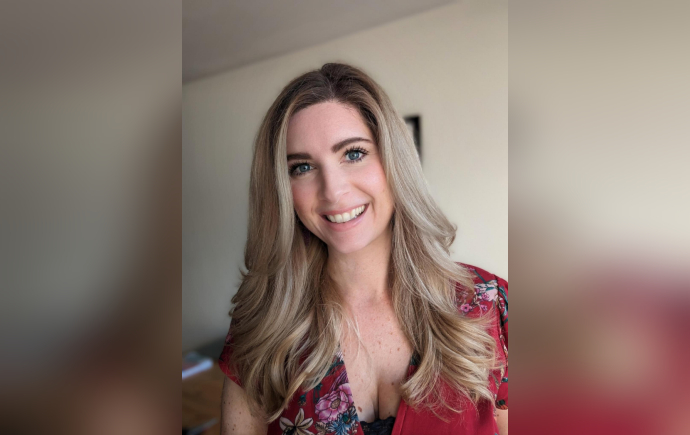
Dr Tara-Lyn Camilleri
Dr Tara-Lyn Camilleri's name first gained attention in 2022 when her research, published during her PhD candidacy at the Monash University School of Biological Sciences, made headlines for uncovering the profound effects of parental sugar intake on offspring health.
But beyond the scientific breakthroughs, there was another story unfolding— one of resilience, determination, and an invisible struggle that few knew she was coping with.
As a researcher dedicated to exploring the intricate connections between genes and environment, Tara was on a promising trajectory. Her work provided critical insights into how environmental changes can have lasting biological impacts across generations.
Yet, while she was making strides in the lab, managing her health became an equally demanding challenge.
In a personal essay published on Medium, Tara revealed the immense personal challenges she faced while completing her PhD—a journey marked by chronic illness, surgeries, and the exhaustion of pushing forward in an environment that often doesn’t account for unseen struggles.
"I wasn’t hiding my illness, but from the outside, no one really saw how much I was dealing with—I felt I was on my own, trying to finish a PhD while waiting for things to improve, except they never did."
Tara’s battle with chronic illness was not a straightforward one.
During fieldwork in Cambodia, she contracted a vector-borne parasite that went undiagnosed for years. Even after it was found and treated, she was left with a suite of persistent symptoms that doctors labelled as “medically unexplained”. Meanwhile, she endured debilitating pain, nausea, fatigue, and cognitive fog, all while navigating the pressures of an intensive PhD program.
Like many living with chronic conditions, she found herself in a constant tug-of war between wanting to prove she was capable and acknowledging the very real limitations of her body.
"Chronic illness isn’t obvious from the outside. People saw me doing my research, engaging in science communication, and assumed I was fine, even when I told them I was sick. What they didn’t see was collapsing at home, unable to get out of bed, the endless medical appointments, and how hard it was just to keep going."
The academic world is often an unforgiving space for those who don’t fit the mold of the ‘ideal’ researcher—someone who can work long hours, travel frequently, and push through exhaustion in pursuit of scientific discovery.
For Tara, every milestone she achieved in her PhD was not just an academic accomplishment but also a deep determination to finish despite the challenges of chronic illness.
Her research on the transgenerational effects of diet had already made an impact, yet the irony was not lost on her that while she studied how external factors shape health outcomes, she was simultaneously struggling to manage her own. Over the course of her PhD Tara went through the arduous process of receiving multiple diagnoses for different issues in her body, but it was not until later, when her condition worsened from surgery that she received an answer that underpinned them all: central sensitisation disorder and dysautonomia. Conditions that cause heightened pain sensitivity, abnormal sensory processing, and widespread nervous system dysfunction, affecting autonomic functions like heart rate, blood pressure, digestion, and temperature regulation.
“For so long, I thought I was just not trying hard enough,” says Tara.
“That if I pushed a little more, worked a little harder, tried more, I could overcome this,” she shared.
“Getting a diagnosis is confronting and overwhelming, but it at least gives you a starting point for understanding what you're dealing with.”
Despite the odds, Tara completed her PhD, and secured a post-doctoral position at The University of Oxford, proving not only her intellectual capabilities but also the strength of her perseverance. She unfortunately however, had to leave her Oxford post because of the physical demands of lab work. Her journey highlights a crucial issue in academia—how institutions and professional cultures often fail to accommodate those with chronic illnesses and disabilities.
“It’s exhausting to constantly feel like you have to explain your illness, and convince people that your symptoms are real,” she said. “I hope that by sharing my story, I can help shift the conversation. We need more understanding, more flexibility, and a recognition that autonomy and flexibility lead to the best outcomes for everyone”.
Her story resonates far beyond the scientific community. It is a reminder that behind every research paper, every breakthrough, and every academic success, there are individuals with lives as complex as the systems they study.
Tara’s work in transgenerational effects has already contributed to our understanding of how external factors shape biological health, but perhaps just as importantly, her personal journey is helping to reshape how we should think about those with chronic illness and disability in the workplace.
Looking ahead, Tara is committed to making career strides while also advocating for greater awareness of chronic illness in academic and professional spaces.
Her journey highlights the challenges of navigating academia with chronic illness, emphasising the need for greater understanding and structural change to support diverse experiences in science.
“The academic world thrives on discovery, but if it wants to retain diverse perspectives, it also needs to rethink who gets to stay.”
This is the first in our series of human-centered stories showcasing the importance of Equity, Diversity, and Inclusion in science.
Further information
Silvia Dropulich
Marketing, Media & Communications Manager, Monash Science
T: +61 3 9902 4513 M: +61 435 138 743
Email: silvia.dropulich@monash.edu