Engagement
Close

 Monash social work celebrates 50 years of impact
View
Monash social work celebrates 50 years of impact
View

Monash Social Work celebrated its 50th anniversary, highlighting its impact on research, education, and partnerships aimed at influencing policy and practice for a more equitable community. The event recognised the department's contributions to social work education and its role in addressing systemic inequalities.

Keynote speakers and alumni reflected on the department's history, achievements, and future challenges in social work education.


 A new approach to policy that works for young people
View
A new approach to policy that works for young people
View
The Centre for Youth Policy and Education Practice (CYPEP) at Monash University collaborated with the Academy of the Social Sciences in Australia and the Australian Youth Affairs Coalition (AYAC) to produce a summary report following a roundtable discussion on developing a national framework for policy that works for young people.
The roundtable, held in Canberra, brought together social scientists, young people, youth sector representatives, and policymakers to address issues facing young Australians, focusing on belonging, wellbeing, and security.

 Indigenous community support
View
Indigenous community support
View
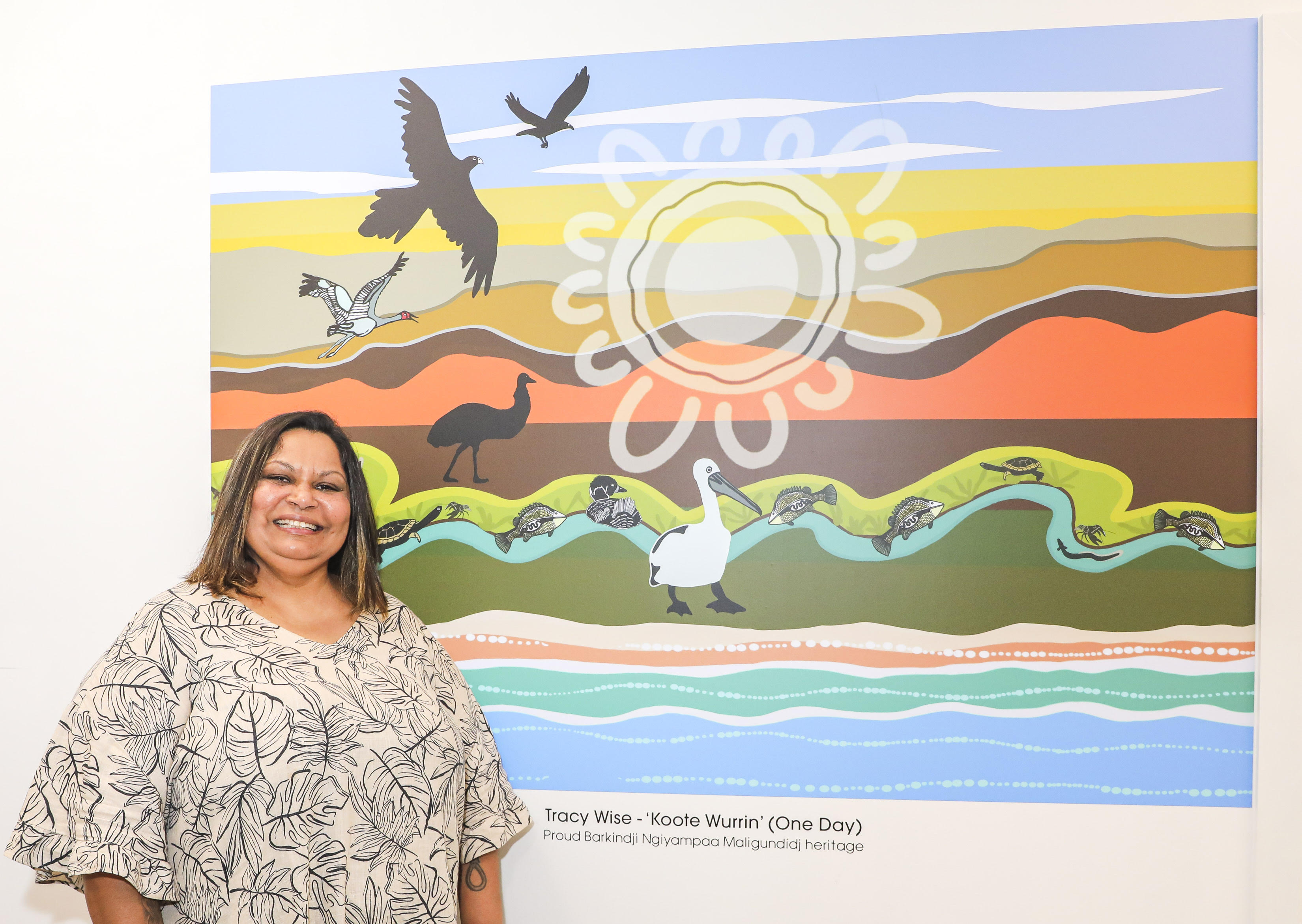
Monash University has undertaken several initiatives to address inequalities faced by Indigenous communities, including the launch of the Monash Rural Health Aboriginal and Torres Strait Framework in Mildura, participation in the AIATSIS Summit 2024, and the repatriation of the Gamilaraay dhulu. These activities aim to enhance educational and career opportunities, support Treaty discussions, and promote cultural resilience:

 Public hearings on human rights and antisemitism at Australian universities
View
Public hearings on human rights and antisemitism at Australian universities
View
Monash University Vice-Chancellor and President Professor Sharon Pickering appeared at the Parliamentary Joint Committee on Human Rights public hearings to address antisemitism at Australian universities. This engagement highlights Monash University's commitment to addressing discrimination and promoting equality within educational institutions.
 Inclusion of older Australians
View
Inclusion of older Australians
View
Monash University is enhancing seniors' quality of life and promoting social inclusion through innovative research and digital technology:


 Children with a parent in prison
View
Children with a parent in prison
View
Associate Professor Catherine Flynn from Monash University's Social Work Department in the Faculty of Medicine, Nursing and Health Sciences conducted focus groups with children aged 11 to 15 who have a parent in prison. The report, supported by SHINE for Kids, highlights the need for these children to be seen, recognised, and supported by existing systems such as educators, police, and social services.
The study emphasises the lack of guidelines in Australia for supporting children during parental arrest and aims to guide advocacy and policy development to better support this overlooked group.