
2023 Vice-Chancellor's Education, Research and Professional Excellence Awards
A message from the Interim President and Vice-Chancellor
 I’m delighted to be hosting the 2023 Vice-Chancellor’s Education, Research and Professional Excellence Awards.
Now in its 13th year, these annual awards provide a wonderful oportunity for our community to recognise and celebrate the significant work and achievements of our leaders in education, research and operations.
To acknowledge the quality of what has been achieved through these awards is one part of a broader recognition of superlative efforts. The achievements of the 2023 recipients epitomise the talent and potential of our University, as they continue to develop and enhance innovation and excellence in research, learning and teaching, and operational matters.
The awards for Education Excellence highlight the importance of high-quality teaching programs to the University’s ambition. Our colleagues recognised this year demonstrate the very best in teaching innovation and education program development.
The awards for Research Excellence showcase the world-leading research undertaken by Monash researchers, and the powerful connections forged with government, industry and community.
These awards also recognise Monash staff who, through their dedication to honours and post-graduate supervision, have made a meaningful contribution to fostering emerging leaders in research.
The awards for Professional Excellence – which includes the categories of Professional Staff; Equity, Diversity and Inclusion; and Occupational Health and Safety – recognise those who contribute to the University above and beyond the requirements of their roles, and who foster cross-University collaboration to achieve positive outcomes for the Monash community.
Recipients to the Monash Honour Roll are also acknowledged and celebrated as part of the Vice-Chancellor’s Education, Research and Professional Excellence Awards. The Honour Roll recognises the University’s most outstanding and generous academic leaders who consistently and generously share their skill and expertise, mentoring colleagues, forging education and research initiatives and collaborations, and fostering a culture of academic excellence.
I trust you will enjoy this year’s celebration of Monash University excellence and innovation, and the worthy recognition of our academic and professional staff.
Professor Susan Elliott AM
Interim President and Vice-Chancellor
Meet our 2023 Nominees
Education Awards
-
The Vice-Chancellor’s Citations for Outstanding Contributions to Student Learning shine a light on individuals and teams who are innovative and uplift education excellence at Monash.
EARLY CAREER

Dr Benjamin Thompson
Faculty of ArtsDr Benjamin Thompson’s teaching of geography empowers students to navigate interconnected environmental, social, and economic relationships in the real world, nurturing a cohort of changemakers uniquely equipped to solve contemporary sustainability challenges. Dr Thompson crafts imaginative and authentic activities that enable students to ‘flash-forward’ and experience potential future career roles, from influencing global climate negotiations, to planning sustainable development policies. These immersive activities are underpinned by his core teaching philosophy of inquiry-based learning, and personal drive to pioneer pedagogical innovations that inspire the next generation of geographers and incite their curiosity and motivation to learn.

Jae Pyun
Faculty of Pharmacy and Pharmaceutical SciencesAs an early career academic in Pharmacy and Pharmaceutical Sciences, Jae's teaching approach focuses on sparking curiosity, fostering critical thinking, and connecting students to real-world applications. By employing diverse teaching methods and creating a conducive learning atmosphere, Jae strives to motivate and inspire students to be curious about the complexity and fascination of how the human body works in health and disease, and how pharmacists and pharmaceutical scientists have an important role in discovering, designing, and implementing therapeutics. By incorporating metacognitive strategies, Jae aims to empower students to develop lifelong learning skills making a lasting impact on their educational journey.
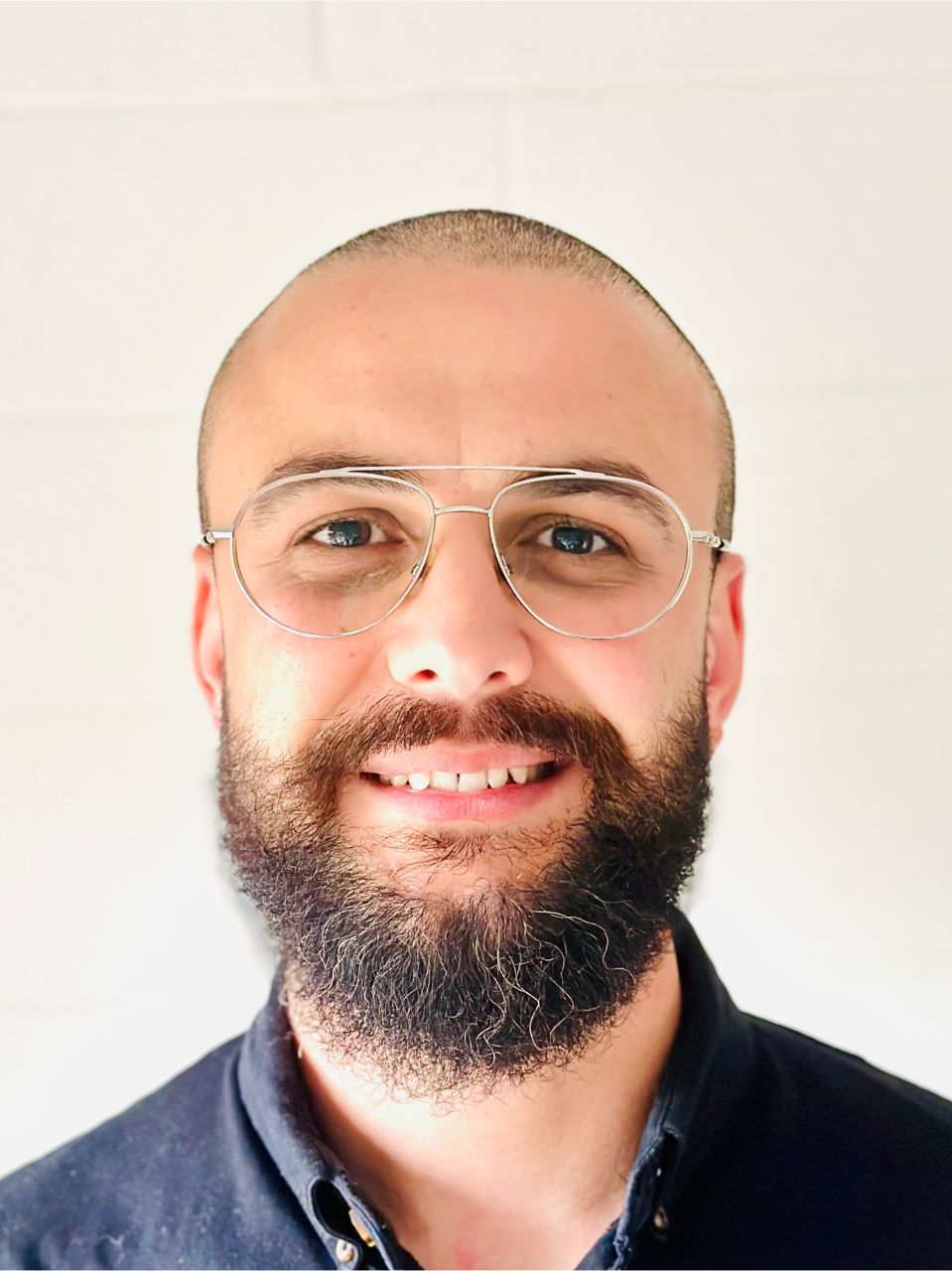
Dr Nick Sinanis
Faculty of LawIn this award application, Monash Law Lecturer, Dr Nick Sinanis, sheds light on his teaching and learning practice in the latter-year law unit, Equity. He shows that his practice of teaching and learning in redesigned Equity ‘seminars’ has come to be underpinned by socio-constructivist theory. This pedagogical theory has informed the following three teaching and learning approaches: (1) integration of discussion questions and activities; (2) instruction to advance conceptual understanding; (3) cultivation of a strong learner community. Drawing on evidence spanning a two-year period, Nick demonstrates how each of these approaches has influenced, motivated and inspired his Equity students to learn.

Dr Nicola Rivers
Faculty of Medicine, Nursing and Health SciencesCollaborating with an industry partner, Dr Rivers creates authentic learning experiences which motivate students to learn even beyond their time at university. This nomination describes how Nicola connects her students to the community and encourages them to share their knowledge to create real-world impact. Nicola’s approach engages students in the important process of science communication leading to positive outcomes for her students and industry partner as evidenced by feedback from students, colleagues, the community, and social media analytics.
GENERAL
Faculty of Arts


Left to right: Alicia McMillan and Matt Mitchell
In May 2022, Alicia and Matt spearheaded a groundbreaking pedagogical initiative, guiding journalism students to practise informed citizenry during a transformative moment in Australian political history. They partnered with Channel 31, successfully airing 5.4 hours of live federal election coverage from Caulfield campus, showcasing remarkable innovation. They collaborated with key political figures via parliamentary staff, including the Prime Minister and Opposition Leader, enabling frontline reporting opportunities for students. Outcomes included: a) enhanced promotion of inclusive, student-focused education; b) heightened employability via industry-relevant skills; c) groundwork for November 2022 Victorian Election broadcast; d) a political podcast collaboration between Journalism and Politics.

Dr Andrea Fenton
Faculty of Business and EconomicsDr Andrea Fenton is a passionate educator and researcher who brings her industry background and innovative approach to lead change, designing new units and uplifting poor performing ones. This improves student experiences and outcomes preparing students to make a strong contribution to the organisations they work in and the community. Andrea combines evidence-based strategies, recent research, and industry insights to deliver meaningful learning outcomes. In 2022 Andrea received a Dean’s Citation for outstanding contribution to student learning within the Monash Business School. Her teaching philosophy of inclusive impactful education for all informs her current leadership role with Monash Online Education.

Dr Jennifer Neil
Faculty of Medicine, Nursing and Health SciencesHealth professionals need to know about family violence (FV) as it is a health issue that affects one third of women and survivors frequently present to health professionals. Dr Jennifer Neil has brought her significant expertise in FV education into both the Medical School and more widely throughout the Faculty of Medicine, Nursing and Health Sciences. She has achieved this through multiple collaborations, development of curricula and educational leadership. Dr Jennifer Neil is passionate about FV training for health professionals as they can change the lives of survivors and she draws upon trauma informed medical education principles in her education.
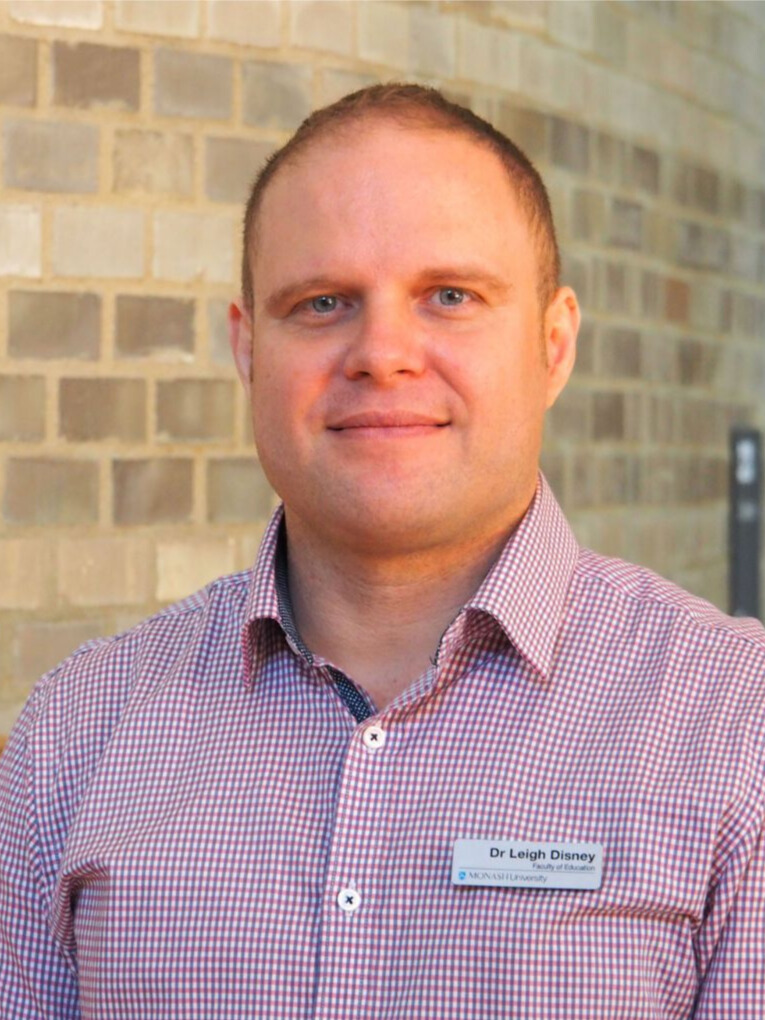
Dr Leigh Disney
Faculty of EducationDr Leigh Disney, an Early Years lecturer, has regularly taught across STEM-related units in the Faculty of Education. Dr Disney successfully developed a range of hands-on learning experiences using a constructivist approach to teaching and learning to support preservice teachers' future STEM practices. The sudden movement to online learning during the COVID pandemic required a reassessment of how “hands-on” could be transferred in the online learning context yet still align with a constructivist approach. This application will outline the successful transition from face-to-face to online learning, where students were inspired to learn through the practical application of STEM.

Professor Peter Skands
Faculty of ScienceOver four years, Professor Skands has developed PHS3302 Relativity and Particle Physics from a cursory overview unit to a deep and rigorous one that is now at the highest global academic level for third-year offerings on this topic. To assist his students in achieving the ambitious new learning targets, the development of this curriculum incorporated deep and extensive scaffolding. This included pioneering new pedagogical methods and technologies, new feedback and evaluation mechanisms, and a complete change in the delivery to follow modern evidence-based recommendations. This has been done while maintaining highly positive student feedback and consistent outstanding SETU scores.

Dr Rebecca Robinson
Faculty of Information TechnologyDr Rebecca Robinson was appointed as a Faculty of IT Teaching Fellow in 2022. Now in an education-focused role, she began her career in theoretical computer science, and still supports student learning in that area. She redesigned the Faculty’s introductory Java Programming units at both undergraduate and postgraduate level to create a more collaborative, participatory learning experience. She demonstrates her passion for inclusivity and accessibility in education through her role as FIT’s Equitable Learning and Disability Liaison, where she has implemented a mentoring program for students registered with Disability Student Services. Her 2022 Dean’s Award forEquity, Diversity, and Inclusion and her Faculty Education Excellence Award (2022) provide evidence of her commitment to student wellbeing and making high quality education more accessible.
The Cloud Computing and Security Teaching Team
Faculty of Information Technology
Left to right: Dr Adel N. Toosi and Jay Zhao
The Cloud Computing and Security (FIT5225) teaching team's pioneering work in designing,
developing, and delivering the cutting-edge Cloud Computing and Security unit has empowered four cohorts of students (about 700 students) with the skills to thrive in the modern workforce. Their forward-thinking approach in this rapidly evolving field includes authentic assessments and experiential learning programs, essential for meeting industry demands and preparing the next generation of professionals. The teaching team's contributions has been acknowledged by a Faculty Education Excellence Award for Programs that Enhance Learning, reflecting the team's dedication to helping students achieve their career aspirations in a fast-changing field.TEACHING ASSOCIATE

Karryna Madison
Faculty of Business and EconomicsKarryna Madison is a passionate leadership educator who empowers students to recognise their leadership potential. By fostering student self-reflection and linking personal experiences to theory, Karryna impacts students' personal and professional growth. Through ongoing diversification of course resources, she provides comprehensive leadership perspectives in varied contexts. Incorporating critical leadership theory, she encourages students to scrutinise traditional leadership ideas and reclaim leadership for themselves. Her innovative approach extends to leading a recent course and assessment redesign that has led to a profound impact on students' leadership skills and career development.
-
To recognise educators who deeply engage students and, importantly, who also have made a broad contribution to enhancing the quality of learning and teaching at Monash.

Associate Professor Andrew Moshirnia
Faculty of Business and Economics“A snake around my heart”, is how one student described their anxiety during Zoom classes. After extensive pandemic lockdowns and displacement, students needed considerable social support. Accordingly, the teaching approach, curriculum, and assessment structure of the new unit BTC/BTX5914 – Scandal: Risk, Ethics, and Consequences in Finance Law were designed along social constructivist principles (Piaget, 1950; Vygotsky, 1978) to foster positive interdependence, collaboration and student empathy. The design incorporated five aspects to facilitate community building for stressed and displaced students: 1) pre/mid/end-class personal inventories; 2) a clear, flexible webcam policy; 3) responsive, subtitled entrance/exit videos with class-by-class feedback; 4) game-based role-play exercises with ‘warm-calling’, and 5) an authentic self-selected group assessment, with communal reflection. Over three years, this approach served 544 students, improved learners’ mental health, and yielded four purple letters, exemplary unit and teacher satisfaction scores, as well as the Department’s and Dean’s Teaching Excellence Awards. This approach was reiterated in BTX3181 (Marketing Law), and presented as the solicited keynote for a faculty outstanding online instruction seminar and a faculty retreat on engagement.

Associate Professor Gabrielle Brand
Faculty of Medicine, Nursing and Health SciencesWhose knowledge is of value in health professions education? Associate Professor Gabrielle Brand has dedicated her career to humanising education by embedding lived experience voices into curricula to teach students to move beyond the “clinical diagnosis” to more person-centred approaches to healthcare. Driven by her passion for critical and creative pedagogy, she founded the first ever health professions education co-design methodology titled Depth of Field to stimulate learners’ curiosity, reflection and foster alternate ways of seeing, knowing and understanding health. Partnering with key industry and consumer stakeholders, Gabrielle has co-designed, delivered and evaluated experiential learning and teaching resources for mental health, ageing, stroke recovery and planetary health, including a simulation to address cognitive bias in healthcare and a verbatim theatre play to teach professionalism in healthcare. Gabrielle has authored over 40 peer reviewed articles and six book chapters on pedagogical approaches to health professions education.

Dr Lynette Pretorius
Faculty of EducationDr Pretorius’ teaching approach is based on her belief that learning opportunities should foster students’ independence, facilitate diversity and inclusion across the curriculum, and inspire students to succeed. She believes that learning should go beyond the confines of content knowledge and encompass the development of transferable skills that can be applied across disciplines. By adopting a holistic perspective on students’ learning journeys, Dr Pretorius strives to enhance the practicality of disciplinary knowledge by cultivating these transferable skills. Consequently, Dr Pretorius has focused her academic career towards teaching these skills as part of an embedded and discipline-specific approach. This application highlights how she has done this using her teaching philosophy which acknowledges the social co-construction of knowledge, the benefits of experiential learning, and the value of reflective practice.
Dr Manapon Limkriangkrai
Faculty of Business and EconomicsDr Manapon Limkriangkrai is a highly experienced, capable and passionate educator in the Business School, with extensive teaching experience in the core investment units in all of the flagship degrees (BCom, BBus and MBF), with the number of students ranging from approx. 200-500+ per semester. Manapon’s core teaching philosophy centres around the ‘learning by doing’ approach which is the main driver in the curricula and assessment developments. The main goal is to enhance the students’ learning experience so that the students not only successfully achieve the learning outcomes, but also greatly enjoy the process, and are able to obtain transferable skills for work in the industry. In 2019, Manapon became the CE of the unit BFC5935 Portfolio Management & Theory, in which he completely restructured in order to reflect the highly practical learning approach. The teaching materials and assessments are enhanced by incorporating a number of practical examples and tasks, specifically designed such that the students are required to apply the theories and concepts taught in classes. As a result of these careful developments, designs and implementation, Manapon’s unit has been one of the top-performing units in the Faculty for a number of consecutive recent semesters. He has also acted as the enthusiastic and caring mentor to team members, Monash PhD candidates, who have subsequently been appointed as full-time academics.

Professor Paula Gerber
Faculty of LawProfessor Paula Gerber established construction law as an academic discipline in Australia. When she developed the first Master in Construction Law in Australia, in 2000, not a single Australian Law School offered construction law subjects. Now, almost a third of Australian universities do. This is due to Paula’s leadership and support of academics interested in teaching in this specialist field. In recognition of Professor Gerber’s “sustained development of imaginative, practice-based pedagogies that inspire enthusiastic and independent learners of law”, she was awarded an Australian Learning and Teaching Council Citation for outstanding contribution to student learning. Students are not the only beneficiaries of Professor Gerber’s skilled and passionate approach to education. Paula is committed to educating the Australian public via her frequent media commentary on construction matters, including how human rights violations, such as gender discrimination, impact on construction, and what reforms are needed to achieve improved outcomes for all involved.

Dr Thanh Pham
Faculty of EducationWhat makes students employable? Education is falling behind fast changes in our society. It is time for us to find new ways to prepare employable students. Dr Thanh Pham created the first-ever employability approach to guide students in developing essential resources to achieve sustainable employability. Thanh’s unique approach is to empower students to have more control over their careers and respond well to the current trend that individuals must take responsibility for their own employability in today’s competitive labour market (Clarke, 2018). Drawing on her extensive employability research, Thanh created a capitals-based approach (Pham, 2021a) and the employability agency framework (2021b) as overarching frameworks to successfully renovate and develop employability units and deliver employability workshops to various cohorts of students. Thanh’s novel teaching is built upon her belief in the ownership of student capitals which if students are guided to develop and utilise can enhance their employability.
Intern Foundation Program
Faculty of Pharmacy and Pharmaceutical Sciences



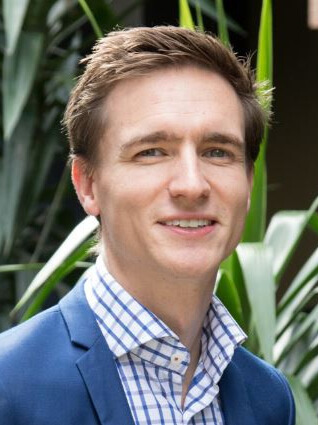
Left to right from top row: Ben Emery, Dr Angelina Lim, Carmen Abeyaratne, Eugene Ong and Steven Walker (Renee Dimond not pictured)
The Intern Foundation Program team designed and implemented an online, Continuing Professional Development (CPD) accredited, Clinical Educator Training Program (CETP) to enhance the skills of pharmacy preceptors in providing workplace-based education and assessment. Principles of work-integrated learning are transforming the way learners are assessed in the transitional stage of development to become fully registered health practitioners. By drawing on our extensive expertise founded in developing workplace-based assessments and entrustable professional activities, and our own extensive practitioner experiences, we designed an accredited training program that integrated seamlessly into the time pressures of pharmacist preceptors. These efforts are helping ensure that intern pharmacists are more consistently trained and assessed to meet the demands of the evolving healthcare network.
PHY2032 - Human physiology: Hormonal and digestive systems
Faculty of Medicine, Nursing and Health Sciences
Left to right: Associate Professor Craig Harrison and Dr Michael Leung
Associate Professor Harrison and Dr Leung have created one of the most dynamic and highly regarded educational experiences at Monash University. Based on the conviction that high-quality, imaginative resources, coupled with expert knowledge and engaging delivery, could transform student learning, Associate Professor Harrison and Dr Leung flipped PHY2032, a large Physiology unit, in 2018. Reimagining popular activities (e.g., escape rooms, murder mysteries and board games), the PHY2032 teaching team developed exceptional video-based workshops that immersed students in the fantastical world of hormones. Routinely described by students as “the best unit of my degree”, PHY2032 received the highest overall satisfaction SETU of the 600+ large (>175 students) Monash units in 2021-2022 (4.91 both years). PHY2032 moodle design, modules and workshops have been disseminated widely (e.g., MED2100, BMS2031) and, recently, Associate Professor Harrison and Dr Leung initiated Project Elevate Physiology, which aims to provide other convenors with unit-enhancing skills.
-
To recognise innovation driving improvement in student engagement, teaching, learning or assessment.

Dr Georgina Stephens
Faculty of Medicine, Nursing and Health SciencesCountering misconceptions about anatomical concepts is at the heart of Dr Stephens’ dynamic, multi-media teaching approach to clinical anatomy education. Student misconceptions about anatomy abound, and may relate to the inherent complexity of human form. Dr Stephens noted a significant component of her time involved unteaching, i.e., addressing misconceptions through feedback. Effectively addressing anatomical misconceptions is paramount, as inaccurate anatomical knowledge may impact patient care. Following critical reflection, Dr Stephens identified successfully addressing misconceptions hinged on first unpacking why these tend to be believed. To ensure all students benefited from her approach, Dr Stephens created Anatomical MythBusters, a series of short videos inspired by a popular science television program. Each video states the ‘myth’ (the misconception), discusses why the myth is believable, and explains anatomical concepts that counter the myth. Anatomical MythBusters is embraced by students, receiving an average rating of 4.9/5 for innovation, relevance, engagement, clarity and knowledge improvement.

Priya Sharma
Malaysia School of BusinessPriya Sharma is a dedicated advocate of sustainability in business education, and her commitment is evident in her creation of the BEW3001 (Ethics and Sustainability in a Business Environment) capstone unit. Through this unit, Priya emphasised a sustainability-focused approach in the curriculum by connecting it to real-world issues and involving Alumni and industry partners in the learning process. Employing creative strategies like The Social Impact Project, Case-based Learning, Advocacy, and Research infused with innovation, Priya addressed the employability and sustainability skills gap of final-year students. By engaging them in solving real-life problems related to the United Nations Sustainable Development Goals (SDGs), she exposed them to the complexities of the business world. Priya's goal is to empower students with the ability to tackle interconnected and dynamic global challenges within the business context. Her vision is to revolutionise business education by prioritising sustainable development and nurturing holistic skills in future business leaders.
Physiology Virtual Laboratory Team
Faculty of Medicine, Nursing and Health Sciences






Left to right from top row: Professor Julia Choate, Dr Ari Pinar, Dr Belinda Henry, Dr Christine Lee, Professor Kate Denton, Associate Professor Nicholas Price, Professor Ramesh Rajan, Professor Renea Taylor, Riley Taylor and Dr Scott Clarke
“Breaking Barriers. How Our Open-Access Virtual Physiology Labs are Revolutionising Delivery of Physiology Labs Globally”. Amidst the backdrop of financial and ethical challenges associated with running traditional physiology laboratory classes, an innovative solution was developed – open-access, virtual physiology laboratories. This initiative opened the door to a vast array of experiments previously inaccessible to students due to the high costs of specialised equipment, time-consuming surgical procedures, and the ethical implications of animal use. The impact of our innovation has been global. As students delved into these virtual labs, their understanding of physiology increased, and their confidence grew. Thanks to the empowering tool created as a team, the ripple effect has been remarkable, with over 105,896 students and educators globally, using these virtual laboratories in 2022 alone. Their impact has been published, and our team received the 2023 FMNHS Dean's Award for Excellence in Education - Innovation in Learning and Teaching.
-
To recognise outstanding education programs delivered across industry and community sectors. It reflects Monash’s commitment to innovate and positively impact through education within enterprises or communities.
INDUSTRY EDUCATION PROGRAMS

Dr Joanne Lim
Malaysia School of EngineeringAmidst growing imperative for technological integration in companies, students and professionals seek to revolutionise operations by embracing Internet-of-Things,IoT. The burgeoning area of IoT brings both opportunities and challenges to university education and industry operations. There is a growing need for graduate skills that help revolutionise industry technologies. Therefore, Joanne's visionary response was the creation of ECE4810:IoT, a learning cycle bridging education and industry needs. It empowers students with industry experience and professionals with lifelong learning. She extended the impact with "IoT:What-Why-How?" training for government workers, generating University revenue. Notably, significant electronics companies donated equipment, ensuring self-sustenance. Students excelled, winning IoT-industry-awards. Joanne also collaborated with national initiative using digital certificates to spur economic growth, fostering broader education and industry applications. Her ingenuity leaves an indelible mark, reshaping the future by converging technology and human potential. In her wake, a world where boundaries are redefined, and progress knows no bounds emerges.
Transforming the work of Industry, one behaviour at a time: The "Applying Behavioural Science To Create Change" Microcredential
Faculty of Science, Monash Sustainable Development Institute












Left to right from top row: Dr Filia Garivaldis, Abby Wild, Dr Alexander Saeri, Associate Professor Annette Bos, Dr Denise Goodwin, Emmy Riley, Dr Fraser Tull, Geoff Paine, Dr Kavya Raj, Kazi Aubanty, Lena Jungbluth, Professor Liam Smith, Malaika Jaovisidha, Dr Mark Boulet, Melissa Santoso, Michelle Fadelli, Dr Sarah Kneebone and Dr Stefan Kaufman
Addressing society’s greatest challenges requires change to happen - one behaviour at a time. To address the growing demand for behavioural science capacity building in industry, BehaviourWorks Australia (BWA) developed the micro-credential, Applying Behavioural Science to Create Change. Featuring examples and case studies drawn from projects that BWA has completed with its Consortium Partners since 2011, such as reducing waste, enhancing biodiversity, and improving health, the course helps embed an understanding of how to harness human behaviour to improve social and environmental policy and program design. Informed by best practice in professional development education, the course has helped 566 graduates to date, from the state and federal government, and other units from a range of sectors, apply behavioural insights in their work. Growing evidence suggests the course contributes to transformative changes to practice that are being explored further and traced back to the application of various education innovations.
Victorian Allied Health Leadership Development Program
Faculty of Medicine, Nursing and Health Sciences




Left to right from top row: Professor Susannah Ahern, Dianne Brown, Professor Dragan Ilic, Dr Margaret Way, Dr Peter Bradford, Dr Rhonda Garad and Robert Cornick
The Victorian Allied Health Leadership Development (VAHLD) program was developed as an industry education partnership between the School of Public Health and Preventive Medicine (SPHPM) and the Victorian Department of Health (DoH). This industry education program partnership began in 2019 as an innovative approach to meet the educational needs of allied health clinical professionals in the public health system. The initial program catered to 30 DoH, which has grown to over 80 in 2023. The program has evolved to include a combination of 6-credit point university units, short courses and micro-credentials, leveraging SPHPM expertise across clinical leadership, digital health, implementation science, quality and safety and health economics. The VALHLD program has benefited both SPHPM and DoH, through financial outcomes, continued professional development, but also importantly, a direct impact on the Victorian healthcare system including clinicians, patients, administrators and policy makers.
COMMUNITY EDUCATION PROGRAMS

Charanjit Kaur
Faculty of Business and EconomicsCharanjit is a Lecturer in the Department of Econometrics and Business Statistics (EBS). She coordinates, manages and teaches large core Statistics units with average yearly enrolments of approximately 1500 students. Charanjit has demonstrated exceptional talent for developing innovative teaching methods that motivate and inspire students to apply critical thinking skills, a key Monash graduate attribute. Using her extensive experience in teaching Statistics to non-specialist students, Charanjit has created a community program to improve data literacy and the application of Excel skills among Indonesian high school students. It aims to prepare students for higher education or employment. The program has developed into a mutual collaboration between Monash and a leading Indonesian University. As a community education program in Indonesian Universities, it is the first of its kind. It has created new interests and opportunities at an international scale, with potential partnerships with Microsoft as well as educational institutions in Bangladesh.

Dr Erin Leif
Faculty of EducationStudents with disability continue to experience barriers to accessing tertiary education in Australia. Using the principles of Universal Design for Learning (UDL) may help educators proactively address barriers through the design of accessible and inclusive educational experiences. However, at present, references to UDL appear in only a small number of Australian educational policies and tertiary institute websites, and few tertiary educators use UDL in practice. Dr Erin Leif, in collaboration with a team of educators, learning designers, accessibility advocates, and people with disability from multiple institutions across Australia collaborated to co-create Australia’s first free, accessible eLearning program to build tertiary educator workforce knowledge and skill in UDL. Over 1200 educators and professionals from 17 different countries have enrolled in the eLearning program to date, and over 90% feel more confident and prepared to use UDL in practice. In what follows, the program and its impact and benefits are described.
Monash Urban Lab Live Projects: Retrofitting The City For Public Good
Faculty of Art, Design and Architecture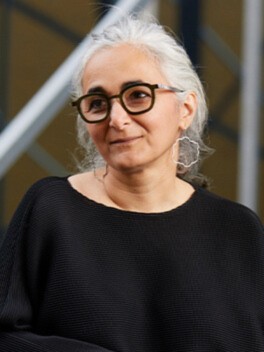


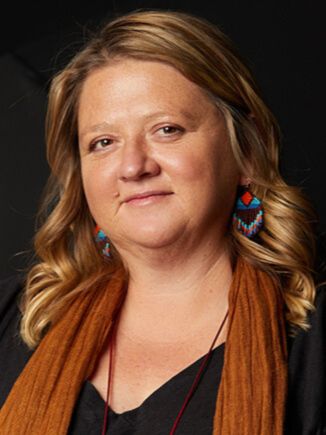


Left to right from top row: Dr Maryam Gusheh, Catherine Murphy, Professor Nigel Bertram, Rachel Couper, Ross Brewin and Tom Morgan
The Monash Urban Lab Live Projects platform provides an integrated approach to architectural education, research and engagement that contributes to addressing real world community-centred projects. In this practice-based model architects, interdisciplinary researchers, students and community stakeholders, work collaboratively to solve contemporary challenges facing cities. This approach has been refined and formalised through a sequence of Master of Architecture educational offerings exploring how common housing types can be systematically modified to achieve inclusive home environments for diverse communities. In partnership with the Australian Human Rights Commission, Disability Homes Victoria and The Government Architect NSW, a range of teams have devised novel strategies for retrofitting the city at-scale. The project outcomes have been publicly disseminated through several venues and very well received. The approaches and diverse outcomes demonstrate the potential of architectural education as an engine for public good and a productive platform for preparing future architects as agents for progressive change.
The Little Food Festival
Faculty of Education








Left to right from top row: Associate Professor Deana Leahy, Jess Kerss, Dr Karen Marangio, Kate Matthews, Dr Lisa Young, Dr Liza Barbour, Dr Rosie Welch, Dr Sue Wilson and Warren Taylor
Our global food system currently contributes to climate change, poor health and food insecurity. Calls for urgent transformation to improve this broken system reverberate across the globe. Education can play a critical role in this transformation, however in its current form, it is not fit for purpose. There is a pressing need for new education models that can engage and empower communities to take transformative action. In 2019, Monash University, the Sandro Demaio Foundation and Fed Square joined forces to co-create the ‘Little Food Festival’ (LFF) to address this challenge. Hosted annually at Melbourne’s Fed Square, the LFF takes thousands of children on an interactive learning journey to identify everyday actions that can contribute to positive change. Now in its fifth year, and with over 30,000 visitors, the LFF model continues to garner industry engagement as we adapt it for growth into regional Australian and Pacific communities.
-
To recognise outstanding and significant educational leadership that has positively influenced educational practice at the University and/or faculty level and beyond (in local, national or international settings).
Professor Dragan Ilic
Faculty of Medicine, Nursing and Health SciencesProfessor Dragan Ilic is the Deputy Head of School (Education) Public Health & Preventive Medicine (SPHPM), Director, Teaching & Learning at the SPHPM and Head of the Medical Education Research & Quality (MERQ) unit. Dragan is recognised nationally and internationally for his expertise in education and the nexus that he has created between public health and medical/health professions education. Dragan was the first education-focused academic appointed in the SPHPM. Since his appointment he has established the MERQ unit (which provides professional development and quality support to all education staff), was the inaugural Director of the newly established Division of Teaching and Learning (overseeing all education within the SPHPM), and most recently (2022) appointed the Deputy Head of School (Education), overseeing the strategic vision for education in the School. Dragan’s achievements in public health education were recognised with his award of the Council of Academic Public Health Institutions Australia (CAPHIA) President’s Award in 2022. This peer-reviewed award recognised his exemplary achievements for public health education in Australasia. Dragan has an excellent research record across medical, health professions and public health education, with a h-index of 45. Dragan is on the board of the International Society of Evidence-Based Healthcare, with his international reputation in evidence-based medicine education indicated by his involvement with the teaching of EBM at various international institutions, including Oxford University. Dragan is a significant contributor at School, Faculty and University level through his involvement across committees and inter-Faculty course design.

Associate Professor Susie Ho
Recognised internationally for championing industry-focused education, Dr Ho builds high-performing cross-sector communities to develop strategic leaders who drive positive change globally. Across her leadership roles, she forged 200+ partnerships with industry, government, the UN and non-profit-organisations to co-develop curricula that are relevant and responsive to a rapidly changing world. As a direct result of her authentic course design and leadership of cross-sector educational communities, Dr Ho increased graduate enrolments from 10 to 481 in Science (2016–2022). She trained 70+ staff to immerse students in solving real-world problems, leading eight degrees and 27 units. Her visionary leadership has resulted in outstanding employability outcomes (>85%), SETU (top 7%), and student diversity (50+ countries). University-wide, Dr Ho created the Monash Innovation Guarantee, ensuring undergraduates across 93 degrees can access rich industry experiences and develop innovation skills, resulting in 100% student and industry satisfaction and innovations implemented by boards. Her success at building high-performing communities of practice is exemplified by Monash’s award-winning Master of Environment and Sustainability, which connects diverse industries with faculties. Beyond Monash, Dr Ho creates impactful systemic change by shaping education policy. In 2021, she joined the Victorian Skills Authority Advisory Board, chairing the Skills-into-Industry Working Group to form the Skills Plan for Victoria. She leads Australasia in a $4 million UN project, developing global indicators for education for 194 countries. As official focal point for the UNFCCC, she led eight UN-delegations training global youth in climate diplomacy. Dr Ho’s educational excellence is recognised by 11 prestigious awards, including Australia’s premier sustainability award.
-
To recognise learning and teaching support programs and services that make an outstanding contribution to the quality of student learning and the quality of the student experience.
Graduate Research Academic Support (GRAS) program
Faculty of Engineering

Left to right: Dr Lilian Khaw and Jane Moodie
In the words of one supervisor, "I have found the Graduate Research Academic Support program to be an essential part of my students' graduate research experience." The Faculty of Engineering Graduate Research Academic Support (GRAS) program is a discipline- specific innovative program that facilitates the development of graduate students’ soft skills, especially disciplinary research writing skills with a particular focus on the needs of students who speak English as a second language. Based on extensive study of the features and language of written and spoken Engineering research genres, and of doctoral teaching and learning including the cross-cultural aspects of student learning, the GRAS program aims to build students’ ability to communicate their research effectively to different audiences in various research genres. Additional training in aspects of engineering research, such as literature research strategies, the use of LaTeX, and error analysis, is also incorporated into the program. The GRAS program is now provided to engineering graduate students at three campuses (Clayton, Suzhou and Malaysia), and also to IITB-Monash Academy students. The program complements core research training undertaken by the students, helping them to become well-rounded independent researchers, and it is highly evaluated by engineering academics and students across all campuses.
Interprofessional Staff Collaboration For Interprofessional Student Learning
Faculty of Medicine, Nursing and Health Sciences



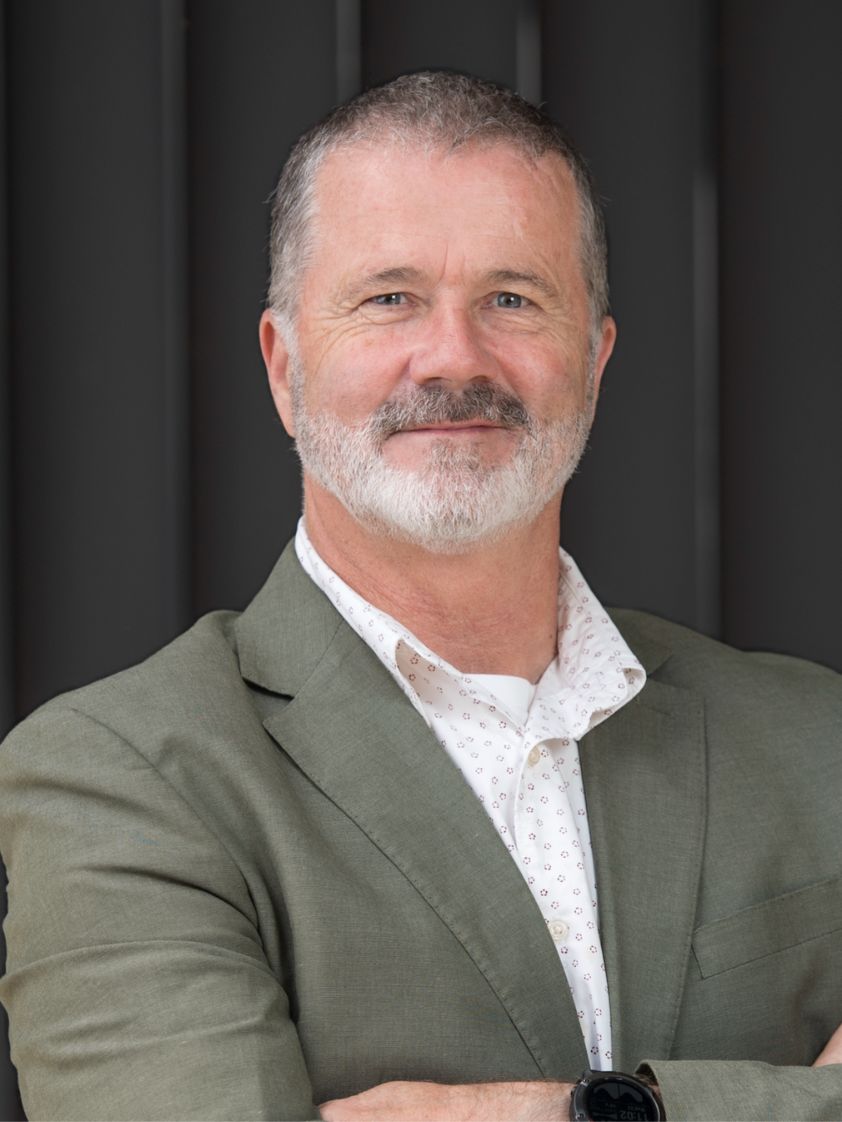





Left to right from top row: Associate Professor Annemarie Lee, Dr Aislinn Lalor, Dr Brendan Shannon, Dr Cameron Gosling, Dr Clifford Connell, Dr Debbie Ling, Associate Professor Fiona Kent, Kirsty Pope, Lisa Murphy and Dr Lorraine Walker
The interprofessional staff collaboration is a team representing seven health professions across the Faculties of Medicine, Nursing, and Health Sciences and Pharmacy and Pharmaceutical Sciences which enabled health professional students enrolled in medicine, nursing, allied health, and pharmacy courses to experience authentic clinical interactions between a mix of health professional clinicians involved in the care of a patient with a chronic disease, via a simulated case study. Using the principles of co-design, this team developed a script and filmed a longitudinal scenario which followed a typical patient journey and included dialogue modelling collegial interprofessional communication between professions and shared decision-making. This digital resource aligns with the collaborative care curriculum framework: patient-centred care, role understanding, interprofessional communication, and collaboration within and across teams. Since the inclusion of this innovative resource within the curriculum of various courses, a greater understanding of the roles and priorities of individual professions, their collaboration in patient care, and confidence in initiation of interprofessional practice have been reported by students, clinical supervisors during placement and employers of graduates. It is a resource applicable to a range of health profession courses across two faculties which has enhanced students’ implementation of interprofessional clinical practice in the workplace.
Pharmacy Course Development Team
Faculty of Pharmacy and Pharmaceutical Sciences





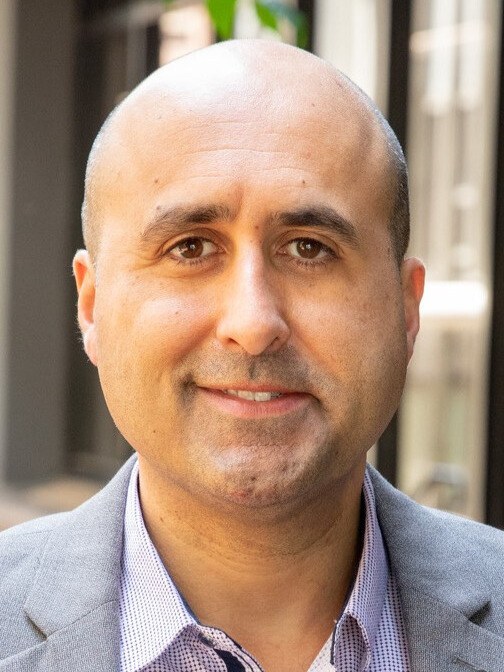








Left to right from top row: Associate Professor Daniel Malone, Dr Andreia Bruno, Dr Betty Exintaris, Professor Carl Kirkpatrick, Dr Harjit Khera, Dr Ian Larson, Associate Professor Joseph Nicolazzo, Dr Kayley Lyons, Professor Kirstie Galbraith, Marian Costelloe, Dr Nilushi Karunaratne, Professor Paul White, Simon Furletti, Steven Walker, Dr Thao Vu, Professor Tina Brock and Dr Vivienne Mak
Health professions training programs have an ethical obligation to make healthcare better. With this in mind, the whole Monash Pharmacy Degree was transformed to focus on improving student skill development, aligning program content with outcomes, and clarifying pharmacist responsibilities. The degree restructuring involved redesigning and rebuilding all units using an active learning model that balanced flexibility and standardisation. This model provided students with a structured learning environment while accommodating various teaching approaches for different topics. A focus on skill development was paramount, as core skills were identified and integrated throughout the degree, ensuring a vertical alignment of skills taught, practised, and assessed. The transformation also introduced an experiential placement program incorporating Entrustable Professional Activities (EPAs), where pharmacy preceptors provide feedback to students based on their level of independence and how much supervision they require in performing individual EPAs. The success of this initiative is evident through multiple indicators including increased student satisfaction, improved examination performance, enhanced clinical skills during placements, and greater contributions to educational sciences by students compared with students from the previous Monash Pharmacy degree. Overall, the redesigned Pharmacy Degree demonstrates a commitment to advancing healthcare by prioritising skill development and aligning educational practices with professional outcomes.
Research Awards
-
To reward excellence by early career researchers (HASS) who have achieved, or are currently achieving outstanding research excellence and impact.

Dr Duncan Maxwell
Faculty of Art, Design and ArchitectureDr Duncan W. Maxwell is Director of the Future Building Initiative at Monash University and Monash’s Research Program Lead for Building 4.0 CRC. In addition to being a Registered Architect, he holds a PhD from the University of Sydney (2018). Duncan's research focuses on the industrialisation and digitalisation of building design, production, and assembly. His applied research involves working closely with industry and government partners on 'live', impactful projects. His research explores efficient manufactured building systems that increase productivity, affordability and reduce waste; advocating and utilising design to improve our built environment; and exploring industrialised building as a mechanism to decarbonise the construction sector. Increasingly, Duncan contributes to research-engaged education to expand student understanding of the concepts and thinking that underpin industrialised construction. In his role as Monash’s Research Program Lead for Building 4.0 CRC, he works with the CRC to coordinate Monash University’s five-faculty research contribution.
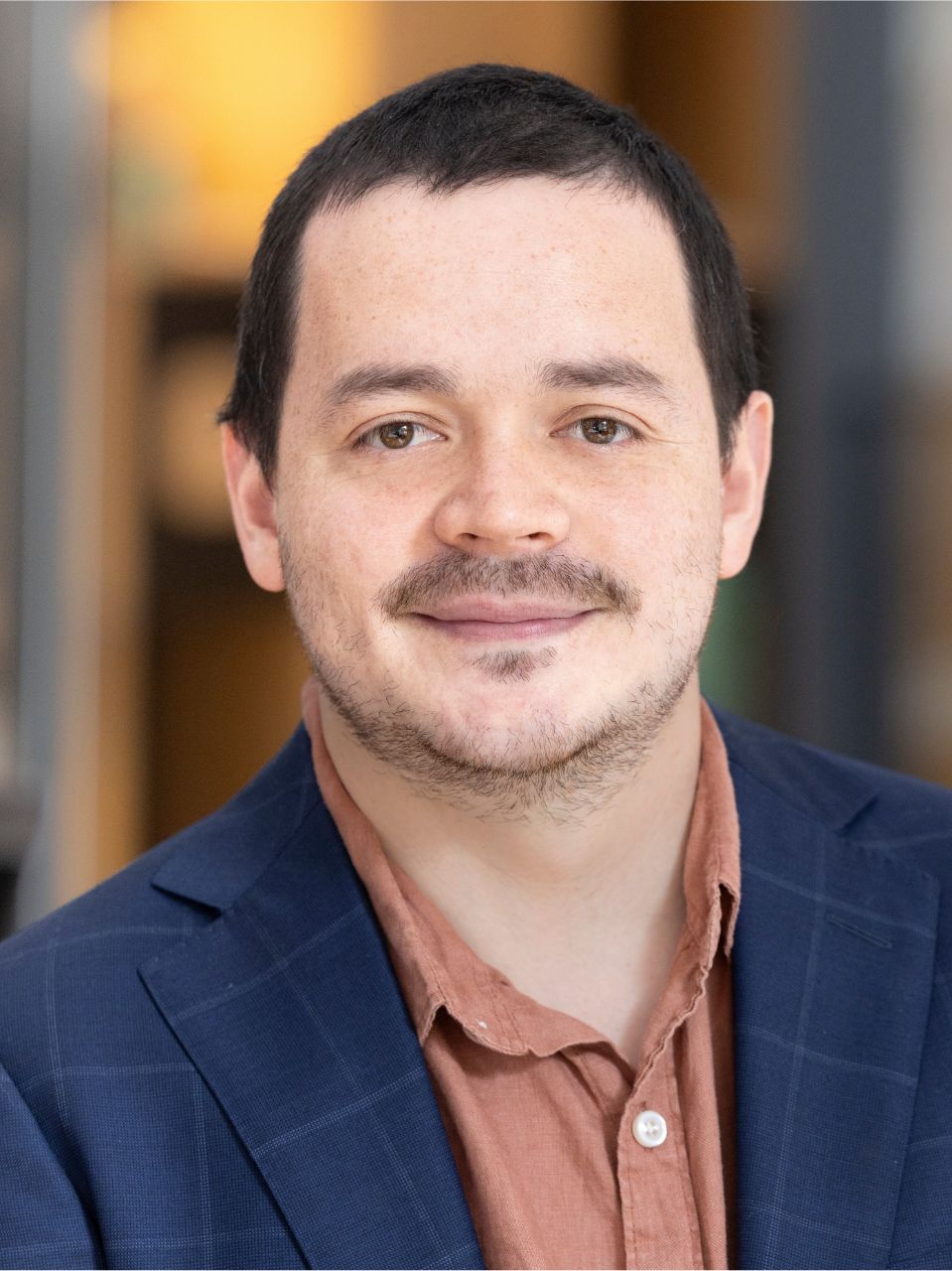
Dr Ruben Albeiro Loaiza Maya
Faculty of Business and EconomicsDr Ruben Loaiza's research has made three important contributions. Firstly, it has enhanced economic forecasting via the development of estimation approaches tailored to models that may not be fully compatible with observed economic data. Secondly, it has endeavoured to propose more flexible models that effectively capture the essential characteristics of economic variables. Lastly, he has developed computational methods to achieve faster and more accurate inference of critical econometric models, even when dealing with large datasets comprising millions of observations and thousands of parameters. His research has reduced the computational time required for estimating various widely used models in the social sciences, including the Tobit model, vector autoregression, stochastic volatility model, and multinomial probit model. Furthermore, his work has produced significant empirical findings, such as devising a way to measure advertising effectiveness for multiple brands in a multichannel environment and improving predictions of financial tail events even when dealing with model misspecification.

Dr Fiona Longmuir
Faculty of EducationDr Fiona Longmuir completed her PhD in 2017. Her work is focused on advancing just and equitable schooling arrangements with an interest in the ways performative policy environments impact relational work in schools. She leads the Teachers’ Perceptions of their Work project which has contributed to national responses to teaching workforce issues by providing evidence of challenges and opportunities. Fiona initiated an international consortium to examine crisis leadership which has reported on disruptions to schooling following the pandemic. She has published in the most prestigious journals in her field and was awarded the 2022 Literati Outstanding Paper for one of her publications. She was successful in gaining a 2023 ARC Discovery Project grant and is a co-leader of the Educational Workforce for the Future Research Impact Lab. She is regularly invited to comment in the media and her research has been cited in numerous state and federal education policies.
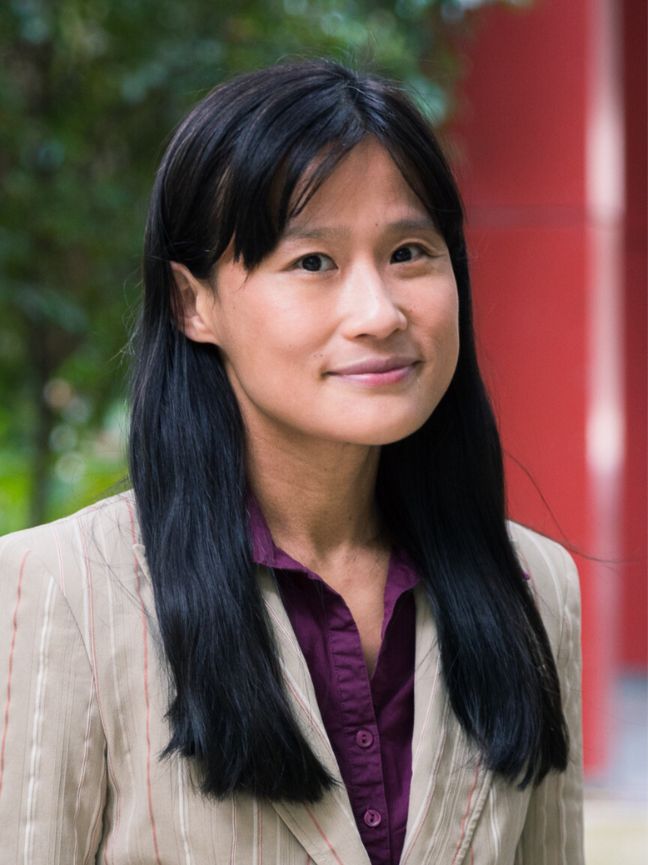
Associate Professor Yee-Fui Ng
Faculty of LawAssociate Professor Yee-Fui Ng is recognised as one of the leading experts in the areas of public law and political integrity in Australia and internationally, and was a 2021-22 Fulbright Scholar. Her Federation Press monograph was the first book to highlight the issues arising from the emergence of ministerial advisers in government, which was a finalist of the Holt Prize. Her Routledge monograph was the first comparative analysis of the rise of political advisers within a Westminster context. She has made 13 submissions to public inquiries in the last five years, which have led to invitations for her to appear as an expert witness, where her contributions were cited extensively by government and Parliament. Yee-Fui has also undertaken commissioned reports for international organisations, federal and state governments, including International IDEA, electoral commissions and anti-corruption commissions (funding totalling $473,000), which have achieved strong impact in terms of law reform.

Dr Alexandra Phelan
Faculty of ArtsDr Alexandra Phelan is a Lecturer in Politics and International Relations at Monash University. She has published on insurgent legitimation strategies, the Colombian conflict, women in terrorism, including academic articles, book chapters, policy reports and practitioner guides on these topics. She is also the editor of the book Terrorism, Gender and Women: Toward an Integrated Research Agenda (Routledge, 2021). Alex was the Deputy Director of the Monash Gender, Peace, and Security Centre (Monash GPS) between 2020-2022, where her research at GPS focused on gendered approaches to understanding terrorism and political violence. Over the last five years, she has been a PCI and CI on four Category 2 and 3 grants, including the PCI on a CREST-funded grant supported by the UK Home Office, partnering with the Royal United Services Institute (RUSI).
-
To reward excellence by early career researchers (STEM) who have achieved, or are currently achieving outstanding research excellence and impact.

Dr Daniel Priebbenow
Faculty of Pharmacy and Pharmaceutical SciencesDr Daniel Priebbenow, a Lecturer in Medicinal Chemistry at the Monash Institute of Pharmaceutical Sciences, is highly regarded as one of Australia’s most promising early-career researchers in chemistry and an emerging international leader in catalysis, photochemistry, and medicinal chemistry. Dan’s research achievements to date include: (i) the discovery of new metal catalysts and catalytic strategies for chemical synthesis; (ii) the development of more sustainable methods for building complex molecules using renewable light irradiation; and (iii) the design of new synthetic strategies that have enabled the discovery of novel small molecule therapies for targeting multi-drug resistant tuberculosis, cancer, and malaria. Dan’s research excellence and innovation for an early career researcher have been recognised by the broader scientific community through a series of fellowships and awards including the Alexander von Humboldt Fellowship, an ARC DECRA Fellowship and the Athel Beckwith Lectureship Award from the Royal Australian Chemical Institute.
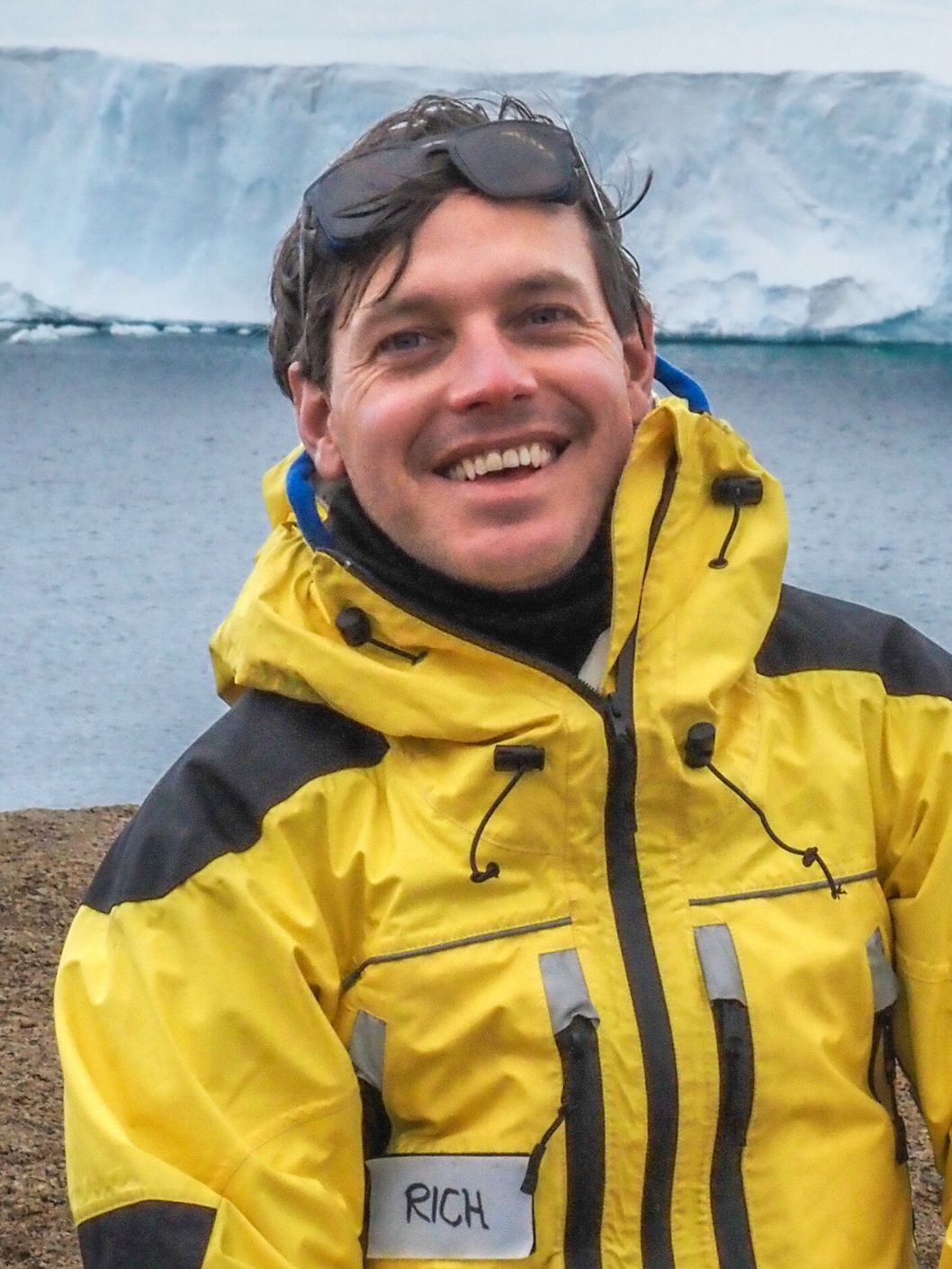
Dr Richard Jones
Faculty of ScienceDr Jones’ work seeks to understand the response of polar ice sheets, and corresponding sea level, to a changing climate. Using a unique combination of skills at the interface between discrete disciplines including glaciology, geomorphology, geochemistry, data science and numerical modelling, his research has significantly advanced our understanding of ice sheet dynamics. Dr Jones received a national award for his PhD thesis, and was granted postdoctoral research fellowships at Victoria University of Wellington (NZ), Durham University (UK), and an ARC DECRA Fellowship at Monash. Dr Jones’ work has resulted in multiple high-impact publications, including in Nature, Nature Reviews, Nature Communications and Science Advances. His discoveries of processes that are pertinent to future ice sheet loss gained international media attention, and were cited by the Intergovernmental Panel on Climate Change. Dr Jones is currently a Chief Investigator of an ARC Special Research Initiative, and ARC Linkage Infrastructure, Equipment and Facilities grant.
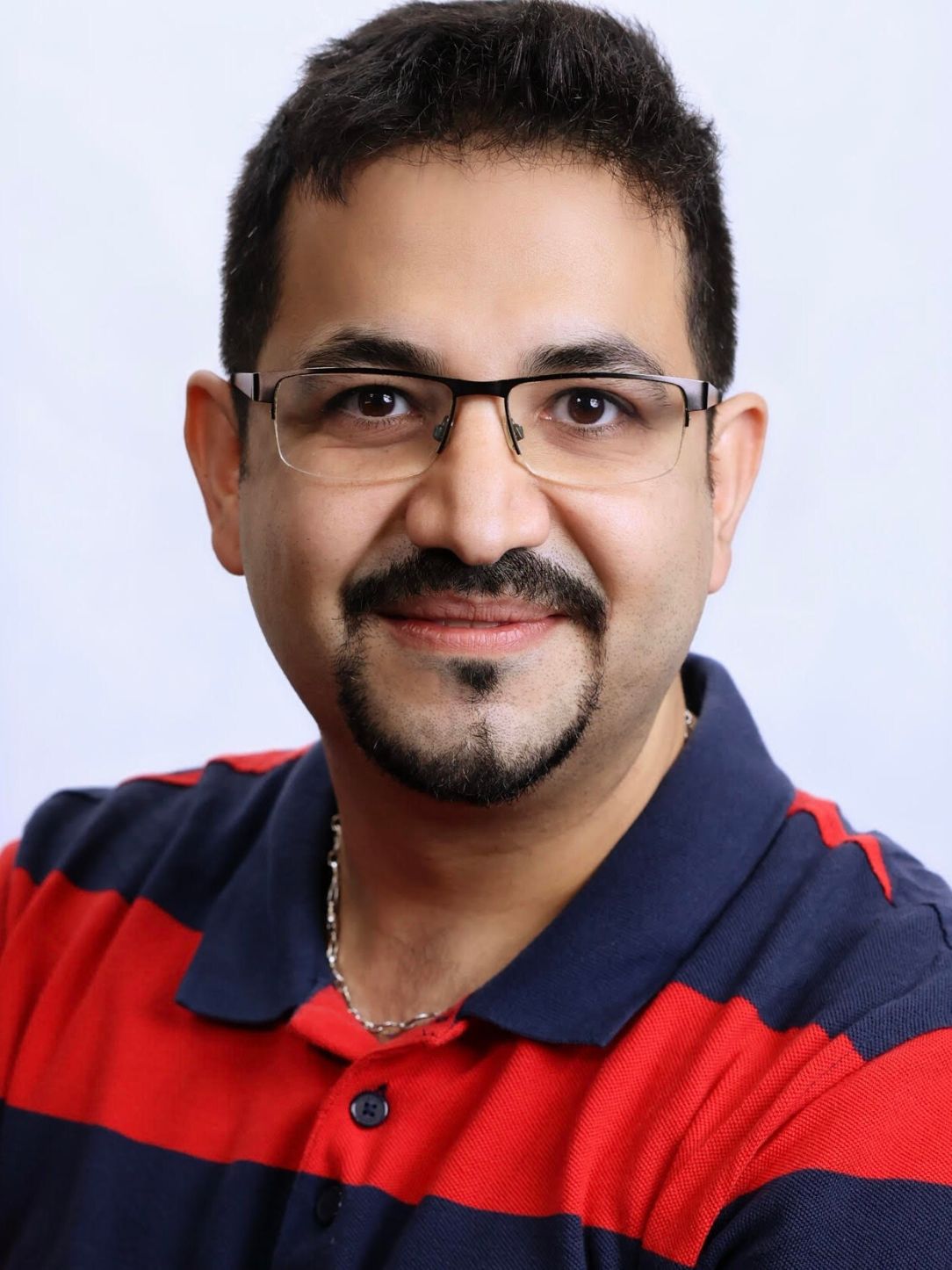
Dr Hamid Rezatofighi
Faculty of Information TechnologyDr Hamid Rezatofighi is a lecturer, specialising in vision-based perception tasks and learning approaches for autonomous robots in human crowded environments. With a PhD from the Australian National University (2015), he has established himself as a research leader in the fields of computer vision (CV), machine learning (ML), and robotics. Hamid has published over 70 peer-reviewed research papers in top-tier conferences and journals in the fields of computer vision, machine learning, and robotics. His research has garnered international recognition, evident through his collaborations and impressive publication impact, with over 8400 citations and an H-index of 31. As a Chief Investigator in an ARC DP and a Primary Investigator in three DARPA grants (LwLL, CCU, and ANSR), Hamid is actively engaged in cutting-edge research projects. He has also served as an area chair in esteemed computer vision, machine learning and AI venues including CVPR 2020-2024, NeurIPS 2023, IJCAI 2023, and WACV 2021.

Dr Lling Lling Tan
Faculty of EngineeringDr Lling Lling Tan, an Early Career Researcher in the School of Engineering, Monash University Malaysia, has showcased exceptional research abilities in various areas, including publication, graduate research supervision, external grant acquisition and engagement. Dr. Tan’s research focuses on the development of solar-derived fuels using photocatalysis, which harnesses solar energy to produce energy-rich products such as hydrogen and ammonia. Her research group has made substantial contributions to the field of photocatalyst design and engineering, sparking numerous subsequent studies within the photocatalysis community. Dr Tan’s scholarly impact is evidenced by her research publications in Top-Tier journals, such as Chemical Reviews. She has published more than 60 papers, of which 80% are in high-impact, quality ISI-Q1 journals, amassing a total impact factor of 739. Her outstanding achievements have been recognised through several awards, including the World’s Top 2% Scientists by Stanford University in 2019 and the IChemE Young Researcher Award in 2017.
-
To reward excellence by researchers who have achieved, or are currently achieving, excellence in innovation and collaboration. The award celebrates successful, enduring partnerships with industry, government and other organisations.
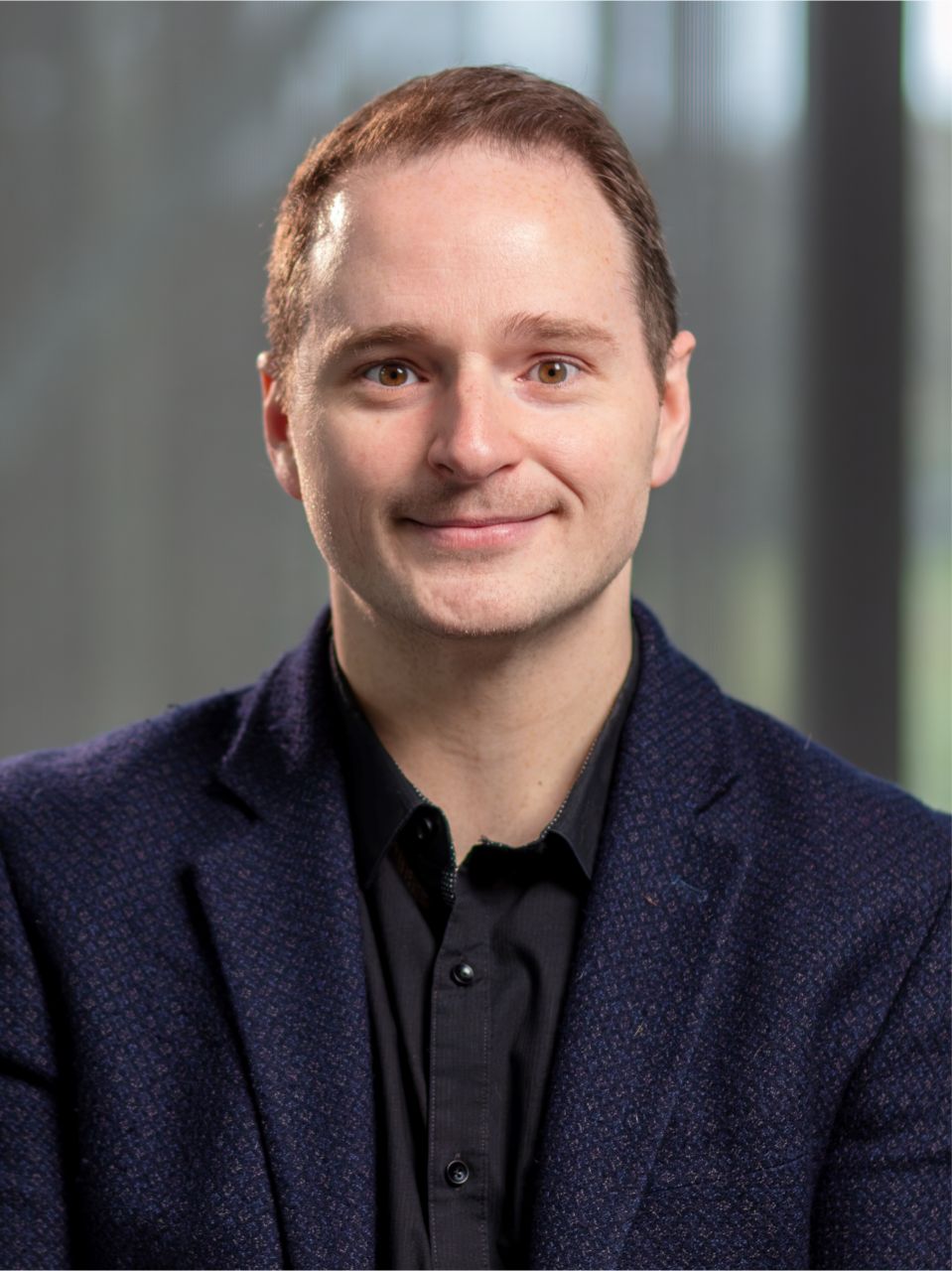
Associate Professor Shaun Gregory
Faculty of EngineeringAssociate Professor Gregory is the Deputy Head of Department for Mechanical and Aerospace Engineering, Director of the CardioRespiratory Engineering and Technology Laboratory, Co-Director of the Artificial Heart Frontiers Program, Academic Director and Founder of the Heart Hackathon international student competition, and co-Chair of the Victorian Heart Institute New Technologies working group. He holds fellowships with the NHMRC and Heart Foundation of Australia. Associate Professor Gregory's research focuses on cardiovascular engineering, with a particular interest in the development and evaluation of devices for mechanical circulatory and respiratory support (artificial hearts and lungs). This is achieved through Associate Professor Gregory's multidisciplinary research group incorporating different types of engineering, biomedical science, IT, design and medicine. Associate Professor Gregory’s innovative research and collaborations with industry have led to numerous changes in clinical practice, the award of over $65 million in research grants, and changed the global biomedical engineering education landscape.

Dr Nyein Aung
Faculty of Art, Design and ArchitectureDr Nyein Chan Aung is an industrial designer, design researcher, and artist. He serves as the Program Director of Imaging Technology Design Research at Monash Art Design and Architecture’s Design Health Collab. He currently leads groundbreaking projects such as the world’s smallest CT Brain Scanner and The Self-Screening Airport Security Checkpoint in partnership with Micro-X Ltd and Micro-X Inc. Nyein’s award-winning PhD produced a patented aircraft cabin design that enhances sleep for economy passengers. With over $4.5 million in research grants – with an additional $21 million under contracting – 94 commercialised designs, and 31 patents, Nyein has earned numerous awards both in Australia and internationally. He is dedicated to a lifelong mission to "Make Cool Stuff."
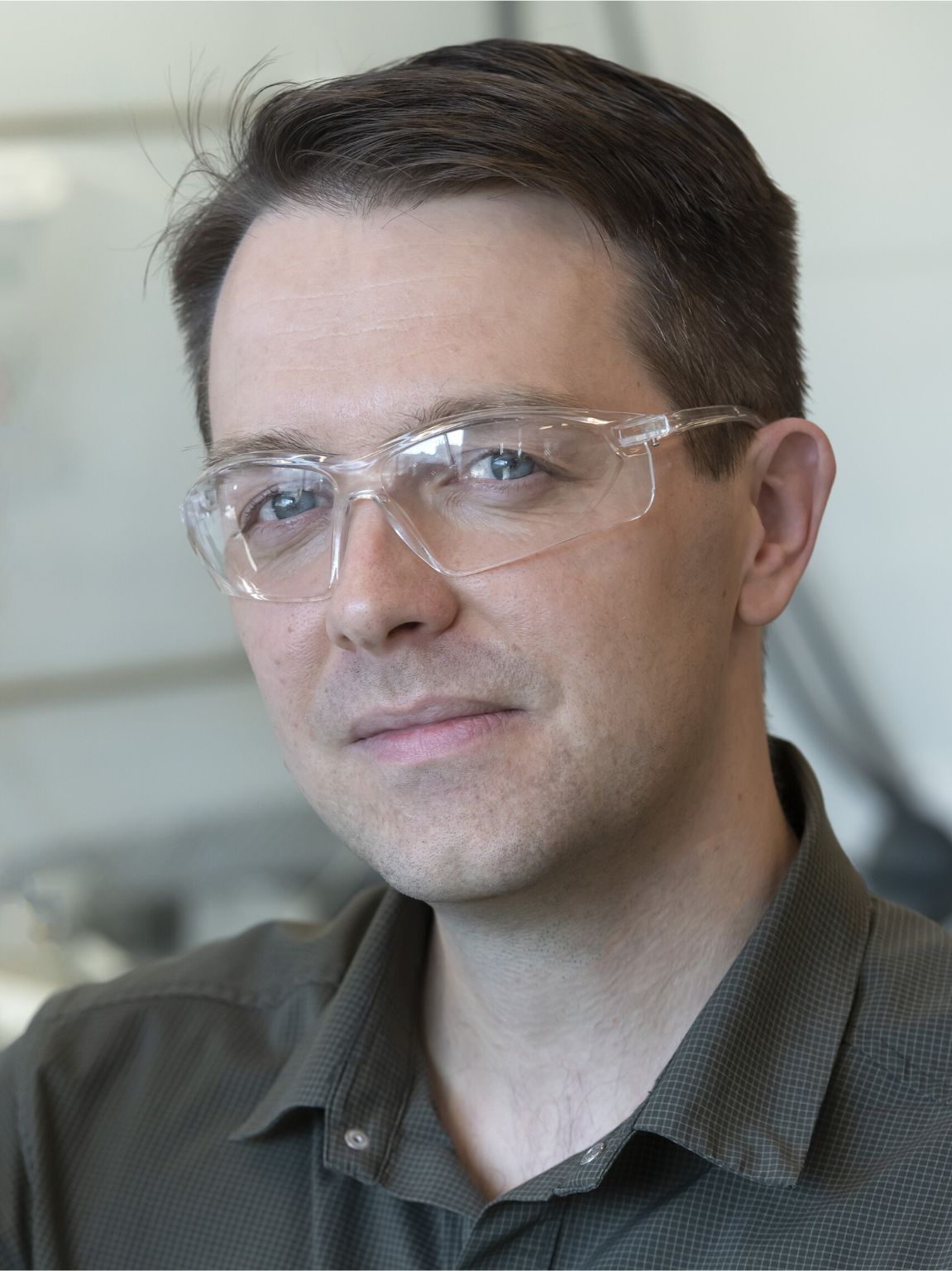
Associate Professor Alexandr Simonov
Faculty of ScienceAssociate Professor Simonov is an ARC Future Fellow at the Monash School of Chemistry and an internationally renowned expert in sustainable electrochemistry and electrocatalysis. He leads a broad research programme on the design of technologies for generation and transformation of renewable electricity into green fuels and chemicals that directly support the Monash Impact 2030 initiative. He engages with industry, academia and government funding bodies globally to establish partnerships promoting the development of green energy. Associate Professor Simonov has innovated technologies for the production of hydrogen and ammonia from renewables, which are currently being translated into practical processes through collaborations with industry partners including Woodside Energy Ltd, Energys P/L, Ixom Ltd, Wesfarmers Ltd, and others. His revolutionary research on green ammonia has been published in premier journals Science and Nature and laid a foundation for a spin-out company Jupiter Ionics P/L, which was co-founded by Associate Professor Simonov and Professor MacFarlane in 2021.

Associate Professor Campbell Wilson
Faculty of Information TechnologyCampbell Wilson is an Associate Professor, with a focus on the application of AI in information retrieval and digital forensics. He has worked in the Faculty of Information Technology at Monash University since 2001. He is the founder and co-director of the AiLECS (AI for Law Enforcement and Community Safety) Lab, a research centre of Monash University and a formal collaboration with the Australian Federal Police. His current research focuses on the application of AI in addressing serious societal issues such as transnational criminal activity. He also explores the ethical implications of AI technologies in law-enforcement applications and their explainability in policing and judicial contexts. The AiLECS Lab was formally launched in 2019, a culmination of prior work with the AFP on machine learning digital forensics. It has attracted approximately $5.6 million of cash funding from the Australian Government and industry.
Driving a paradigm shift in youth mental health services in Australia: A partnership with headspace National Youth Mental Health Foundation
Faculty of Medicine, Nursing and Health Sciences, Faculty of Information Technology (Monash University), University of Melbourne, Deakin University








Left to right from top row: Professor Marie Yap, Dr Mairead Cardamone-Breen, Emeritus Professor Anthony Jorm, Associate Professor Glenn Melvin, Dr Jue (Grace) Xie, Joshua Seguin, Dr Tom Bartindale, Professor Patrick Olivier and Dr Ling Wu
As founder and lead of the Partners in Parenting program (subject of the partnership), Professor Marie Yap is recognised by Expertscape as a World Expert in Family Relations (top 0.07% of ~88K authors worldwide), and received the Mental Health & Prevention Senior Researcher Award 2022. She has >100 peer-reviewed publications (h-index=44) and been awarded competitive funding totalling ~$30 million. Co-authors of the program include Dr Mairead Cardamone-Breen (ECR; >$2 million Category 1 funding), Emeritus Professor Tony Jorm (>35 years continuous NHMRC funding; h-index=160; University of Melbourne) and Associate Professor Glenn Melvin (leading clinical researcher in youth mental health; h-index=34; Deakin University). The growth of the program was accelerated by a partnership with Monash's Action Lab (led by Professor Patrick Olivier; h-index=68) since 2019, with a scalable digital infrastructure built by award-winning lead engineer Dr Jue Xie with support from Joshua Seguin, Dr Tom Bartindale, and Dr Ling Wu.
Transforming oral drug delivery with prodrugs that mimic the structure of dietary lipids
Faculty of Pharmacy and Pharmaceutical Sciences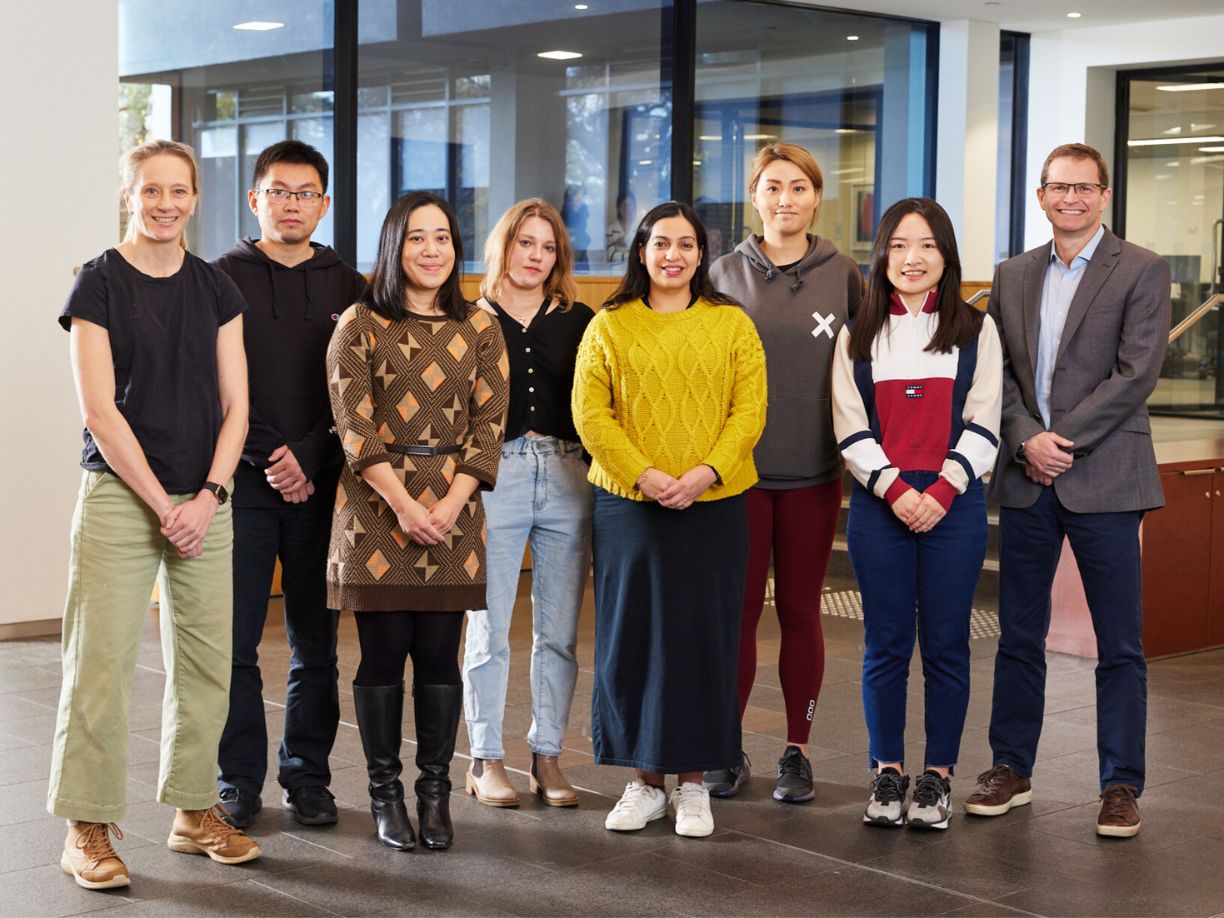
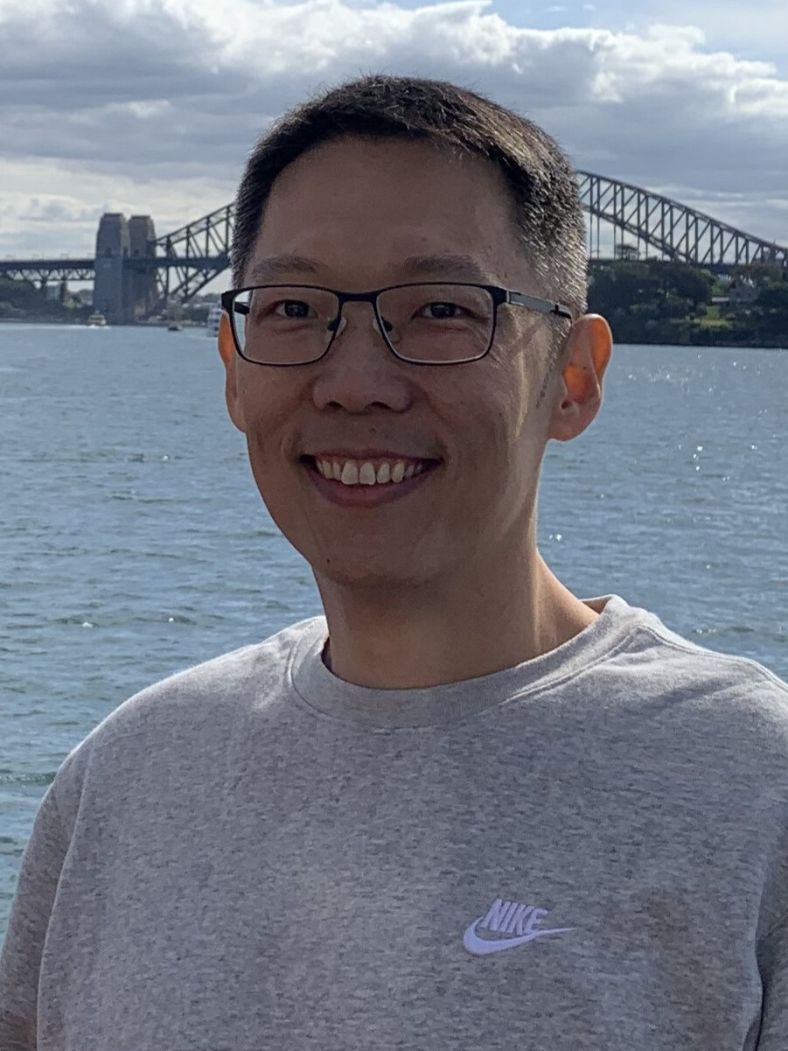

Left to right from top row: Associate Professor Natalie Trevaskis, Dr Dan Zheng, Dr Nathania Leong, Vilena Ferreira, Dr Garima Sharma, Dr Enyuan Cao, Xiaotong Zhou, Professor Christopher Porter, Dr Sifei Han and Dr Mitchell McInerney
The lymph-targeted prodrug team represents a highly committed, multidisciplinary team of drug delivery scientists, medicinal chemists, analytical scientists and lymphatic biology experts. They have worked together for more than 10 years optimising a technology that targets drugs to the lymphatic system by forming prodrugs that mimic the structure of dietary lipids. These prodrugs can dramatically enhance the oral bioavailability of drugs and target critical immune tissues in the gut. The IP has been licenced to PureTech Health in Boston and the lead candidate is a prodrug of allopregnanolone. Allopregnanolone is currently used to treat post-partum depression (PPD) but must be administered as a 60hr intravenous infusion. In contrast, the lymph targeted prodrug of allopregnanolone has shown great promise in Phase 1 clinical trials for oral administration. The technology is currently in Phase 2 clinical trial for anxiety and is expected to enter clinical trial for post-partum depression by the end 2023.
Reproductive Biomedicine and Technology Ethics Group
Faculty of Arts

Left to right: Professor Catherine Mills and Dr Molly Johnston
Professor Mills and Dr Johnston, under the banner of the Reproductive Biomedicine and Technology Ethics Group collaborate on 5 projects supported by competitive Category 1-3 external grants. These projects address the ethical, social and regulatory aspects of technology innovation in human reproduction, including non-invasive prenatal testing, oocyte freezing and donation, the use of machine learning for embryo selection in assisted reproduction, and mitochondrial replacement techniques. Professor Mills and Dr Johnston are shaping the way innovative reproductive technologies are implemented in Australia and improving the policy and regulatory environment that governs access to them. They have built collaborative partnerships with world-leading industry bodies, including Illumina (the largest genomics company in the world) and Monash IVF, as well as patient advocacy organisations such as the Mito Foundation. Their collaborative research ensures the implementation of reproductive technologies that shape the future, is responsive to patient voices and enhances the autonomy and wellbeing of people seeking to become parents.
-
To reward excellence by researchers who have achieved, or are currently achieving, outstanding societal impact. The award celebrates success in collaborative working, partnerships, engagement and knowledge transfer activities that have led to significant impact.

Professor Anne Holland
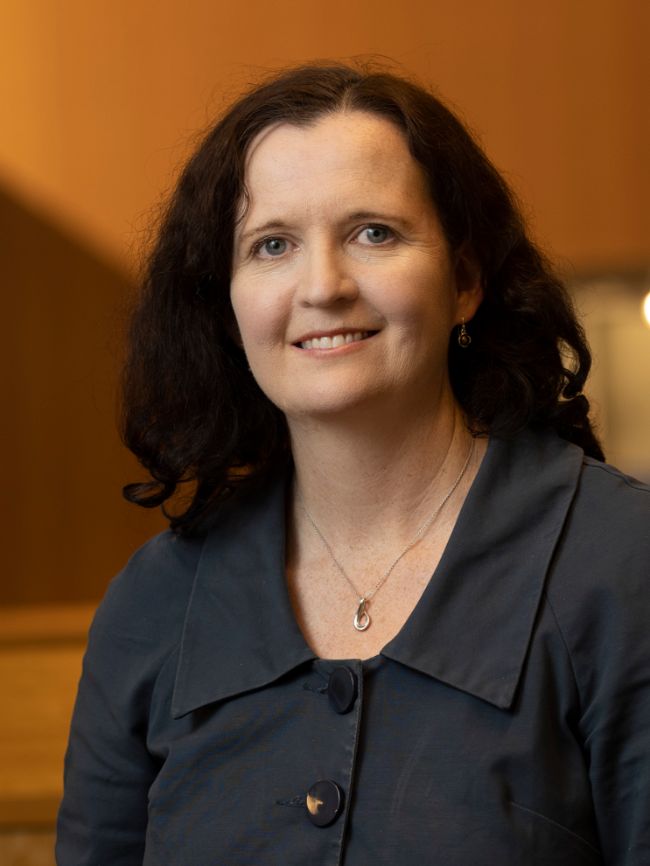
Faculty of Medicine, Nursing and Health SciencesProfessor Anne Holland is Professor of Physiotherapy at Monash University and Alfred Health, Head of Respiratory Research@Alfred at Monash University’s Central Clinical School, and an NHMRC Leadership Fellow. Professor Holland’s research develops novel non-drug treatments for patients with chronic respiratory disease. Her research has been at the forefront of trialling low cost models of remote rehabilitation for patients with COPD, providing an alternative to the traditional in-person delivery at outpatient facilities, and improving access to best practice care. Professor Holland’s work has resulted in a transformative shift of clinical practice towards a more integrated model of disease management (in-person and at-home via web-based platforms), as demonstrated by its citation in 32 clinical guidelines and position papers from eminent bodies including the Thoracic Societies in the UK, USA, Europe, Asia and Australia/New Zealand. Her research program has recently been recognised in an NHMRC Impact Case Study.

Associate Professor Karinne Ludlow
Faculty of LawAssociate Professor Karinne Ludlow is a legal scholar with demonstrated research impact in the legal and policy landscape relevant to biotechnology innovation across all applications, particularly human health, reproduction, agriculture and food. The research uses sophisticated legal techniques to address legal challenges around rapidly emerging genomic technologies, including genetic modification, CRISPR gene editing, human embryo research and IVF, in the context of shifting Australian and international policies. She is author of two edited books, 13 book chapters and 27 academic journal articles relevant to the nominated project. The research has been supported by category 1 and external funding of more than $16 million, including a $15 million National Medical Research Future Fund Grant to perform Australia’s first clinical trial of a new genetic technology used with IVF, called mitochondrial donation.
Professor Brian Martin
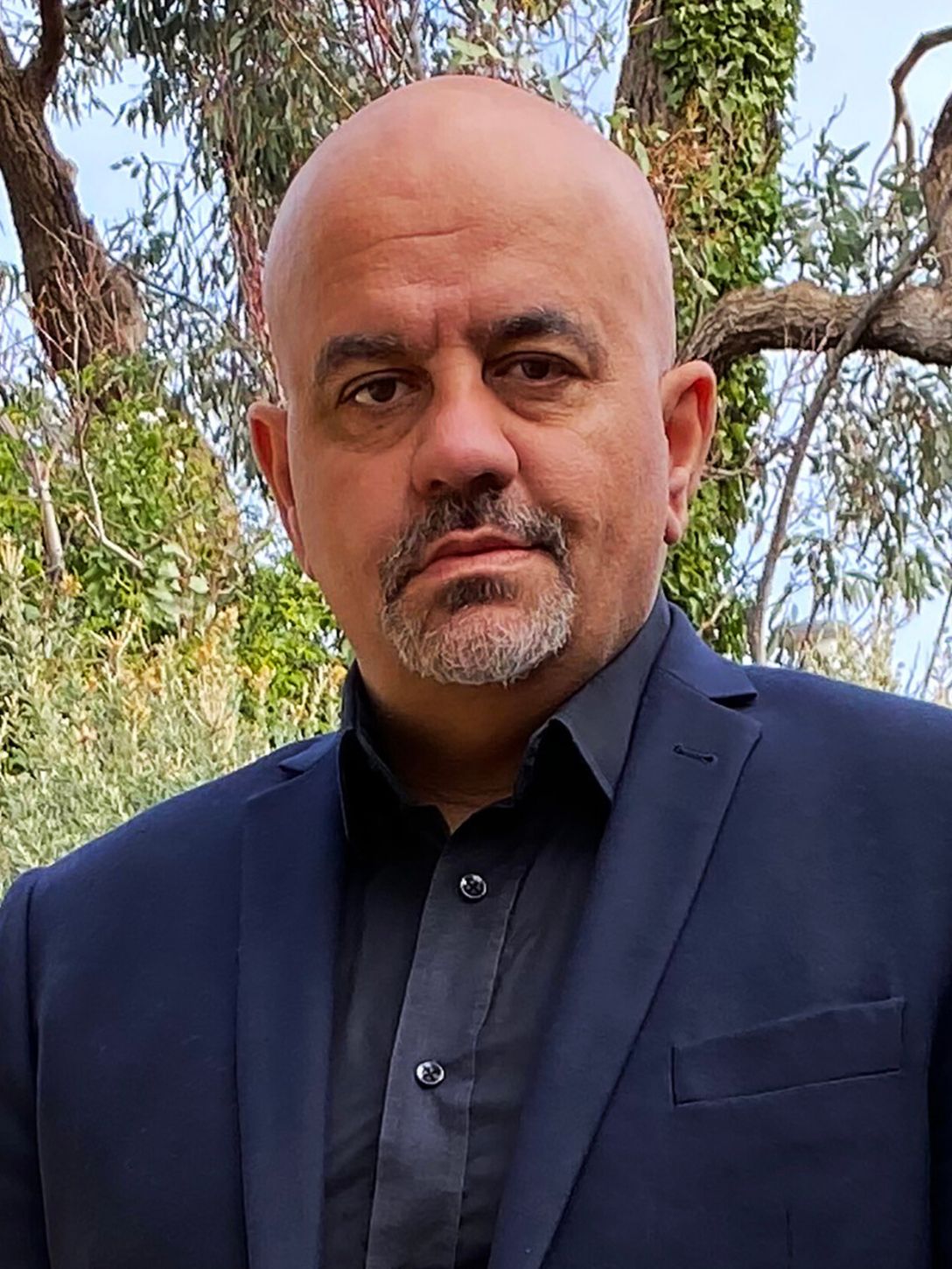
Faculty of Art, Design and ArchitectureProfessor Brian Martin is the director of Wominjeka Djeembana Indigenous Research Lab. Brian is a descendant of Bundjalung, Muruwari and Kamilaroi peoples. In 2022, Brian was awarded a three-year appointment to the ARC’s College of Experts. Brian is represented by William Mora Galleries. A practising artist for thirty years, he has exhibited both nationally and internationally specifically in the media of painting and drawing. His research and practice focuses on refiguring creative practice and culture from an Indigenous ideological perspective based on a reciprocal relationship to “Country”. Brian was the inaugural Associate Dean Indigenous at Monash University Art, Design and Architecture and previously Professor and Head of Research at the Institute of Koorie Education at Deakin University. He is also Honorary Professor of Eminence at Centurion University of Technology and Management in Odisha, India, Board Director National Theatre Melbourne, Board Member for Shepparton Art Museum and the Melbourne Art Foundation.

Associate Professor Carly Cook
Faculty of ScienceAssociate Professor Carly Cook is Conservation Scientist and ARC Future Fellow in the School of Biological Sciences. Her research is focused on developing decision-support tools that enable conservation managers to use science to inform their management decisions. She is a member of the IUCN Task Force for Conservation Outcomes and a member of the Expert Assessment Group for the IUCN Green List of Protected Areas. Her research has supported managers around the world to use scientific evidence to define successful conservation outcomes and to determine when they would initiate management action to prevent the decline of threatened species. This research is being used internationally as part of best practice protected area management by the IUCN and by Australian and New Zealand governments to manage threatened species.

Associate Professor Bridget Harris
Faculty of ArtsAssociate Professor Harris is an ARC DECRA and Deputy Director of the Monash Gender and Family Violence Prevention Centre. Her work on violence against women; technology-abuse; harnessing technology to address abuse; and justice responses to domestic and family violence (DFV) has guided policy and practice, and been cited in the United Nations Handbook for the Judiciary on Effective Criminal Justice Responses to Gender-based Violence Against Women and Girls (2019) and 2023 reports on technology-facilitated gender-based violence. She has effected change through training of over 1,500 advocates and practitioners including, in 2023: workshops for facilitators of Men’s Behaviour Change Programs (that seek to help men stop using violence); delivering Queensland Police Service DFV education; a keynote at the UK Evidence-based Policing Conference. Seeking to bolster responses to and prevention of ‘digital coercive control’, she created toolkits for police to identify and investigate ‘digital coercive control’, and for advocates and practitioners supporting victim-survivors.
Q Project: Quality Use of Research Evidence Driving Quality Education
Faculty of Education (Monash University), BehaviourWorks Australia






Left to right from top row: Associate Professor Mark Rickinson, Professor Lucas Walsh, Dr Jo Gleeson, Blake Cutler, Dr Genevieve Hall, Phoebe Marshall, Komal Daredia, Dr Mark Boulet and Dr Bernice Plant
The Monash Q Project is a five-year partnership between Monash University and the Paul Ramsay Foundation to understand and improve the use of research evidence in Australian schools. It is the first project internationally to investigate the idea of quality use of research (or using research well). It has generated unique insights into how quality use of research can be conceptualised, what it involves in practice and how it can be embedded within schools and systems. Within Australia, the Q Project’s ideas and resources are being used to drive improvements in varied schools, state education departments and national policy organisations. Internationally, Q’s work is being used by research brokers in the US and the UK, and by policy makers in Wales, the Netherlands and the OECD. It has also been described as ‘making an important contribution to other areas of practice’ such as health and social care.
Modern Slavery Disclosure Quality
Faculty of Business and Economics


Left to right: Dr Nga Pham, Dr Ummul Ruthbah and Dr Bei Cui
Dr Nga Pham, Dr Bei Cui and Dr Ummul Ruthbah, from Monash Centre for Financial Studies (MCFS), developed an innovative framework to assess the disclosure quality of modern slavery statements based on the mandatory reporting criteria of Australia’s Modern Slavery Act. The framework has become an industry benchmark for modern slavery reporting. Engagement activities include industry/government meetings, presentations, panel discussions, participation in industry working groups, responding to government consultations, and executive education. The research team contributes to the governance of modern slavery risks and capacity building for reporting and compliance at Monash University through formal participation in Monash’s Modern Slavery Steering Committee. The research has generated impacts beyond academia, including improved corporate reporting quality, informed investment and stewardship decisions of investors, and strengthened modern slavery regulations, all contributing to Australia’s actions to combat modern slavery. The project aligns with Monash’s Impact 2030 plan and contributes to the University’s effort to deliver the UN’s SDGs.
Development of Australia’s first NHMRC-approved evidence-based clinical practice guideline for attention deficit hyperactivity disorder (ADHD)
Faculty of Medicine, Nursing and Health Sciences

Left to right: Professor Mark Bellgrove and Professor Katrina Williams
Professor Mark Bellgrove is Professor in Cognitive Neuroscience in the School of Psychological Sciences and a leading international authority on ADHD. He is the founder and immediate past president of the Australian ADHD Professionals Association (AADPA). Professor Katrina Williams is Head of the Department of Paediatrics. She is a paediatrician, public health physician, and clinical epidemiologist with particular focus on advancing evidence-based clinical practice in neurodevelopmental conditions. Professors Bellgrove and Williams led an interdisciplinary team of 26 academics, clinicians, those with a lived experience of ADHD, and Indigenous Australians to spearhead the development of Australia’s first NHMRC-approved clinical practice guideline for ADHD. They developed a rigorous, collaborative, and evidence-based process that considered the opinions and priorities of end-users and beneficiaries. That led to a clinical practice guideline comprising 113 clinical recommendations. The Australian ADHD Guideline sets the international standard for diagnosis, treatment, and management of ADHD.
-
To acknowledge and reward research supervisors who have demonstrated exceptional supervision, mentoring and training practices to benefit and enrich the experience of their students.

Professor Bob Wong
Faculty of ScienceProfessor Bob Wong, a behavioural ecologist, is a world-leading authority on wildlife behavioural responses to environmental change. Since joining Monash in 2006, he has supervised 36 PhD students (21 completed; 15 current). His supervision style focuses on mentoring, coaching, and empowering students to develop into confident, independent thinkers who are proficient at driving scientific inquiry and communicating research to the scientific community and beyond. As evidence of impact, in the last five years alone, his students have achieved 55 papers in top-ranking international journals, delivered >50 talks or posters at national and international conferences, attracted >$70,000 in external grants, and received numerous prestigious national and international awards, including the 2018 Society of Environmental Toxicology and Chemistry Europe Young Scientist Award and the 2021 Society of Environmental Toxicology and Chemistry Australasia Early Career Medal. After completion, Professor Wong’s students have enjoyed excellent employment outcomes in science-related fields around the world.

Associate Professor Natalie Trevaskis
Faculty of Pharmacy and Pharmaceutical SciencesAssociate Professor Natalie Trevaskis is a research group leader in Drug Delivery, Disposition and Dynamics at Monash Institute of Pharmaceutical Sciences. Natalie has demonstrated exceptional and sustained commitment to high quality supervision of PhD graduates, including the application of innovative supervision practices that foster student growth into independent scientists. Natalie consistently strives for excellence in research which inspires her team and others within our institute. Over the past five years Natalie has supervised 16 PhD students with 8 completions. She has been a champion for women in research through her role as chair of Her Research Matters and has chosen to supervise students with a diverse range of cultural, linguistic, religious and educational backgrounds. This has enriched the research environment within her team and department. Her graduated PhD students have leading roles in industry and academia, including NHMRC Investigator Fellows, Clinical Research Associates, Scientific Editors, Medical Writers and formulation scientists.
 Associate Professor Tara McDowell
Faculty of Art, Design and ArchitectureTara McDowell is Associate Professor and Director of Curatorial Practice in the Faculty of Art, Design & Architecture. In her leadership role as the founding director of the first Curatorial Practice PhD Program in Australia, she has grown the program over 10 years and 10 successive intakes of candidates. She currently supervises 9 of 14 PhD candidates in a thriving program recognised as a major practice-led research centre in Australia and internationally. Associate Professor McDowell has been at the forefront of developing a new academic discipline and supporting outstanding graduate research in this area. Importantly, she has also worked to significantly strengthen relationships between industry and the university while training the next generation of cultural leaders in Australia. The Program and its candidates have engaged with more than 40 major national and international arts organisations, and candidates and alumni are among the leading arts professionals in Australia and the Asia-Pacific.

Professor Christopher McNeill
Faculty of EngineeringProfessor Chris McNeill is a Professor of Materials Science and Engineering who has supervised 14 students to completion at Monash as main supervisor. Each of his students has published at least one first-author Q1 paper from their PhD research, with an average of three first-author publications per student, with the vast majority of these being in Q1 journals. His students have been recognised by numerous awards and have gone on to post-doctoral positions at leading overseas universities. Between 2015 and 2023 he also served as the Director of Graduate Research for the department of Materials Science of Engineering and organised annual Summer and Winter Postgraduate conferences to showcase and celebrate graduate research in the department. He has also run regular workshops on Thesis Writing and Responding to Examiner Comments that have been attended by students from across the faculty.
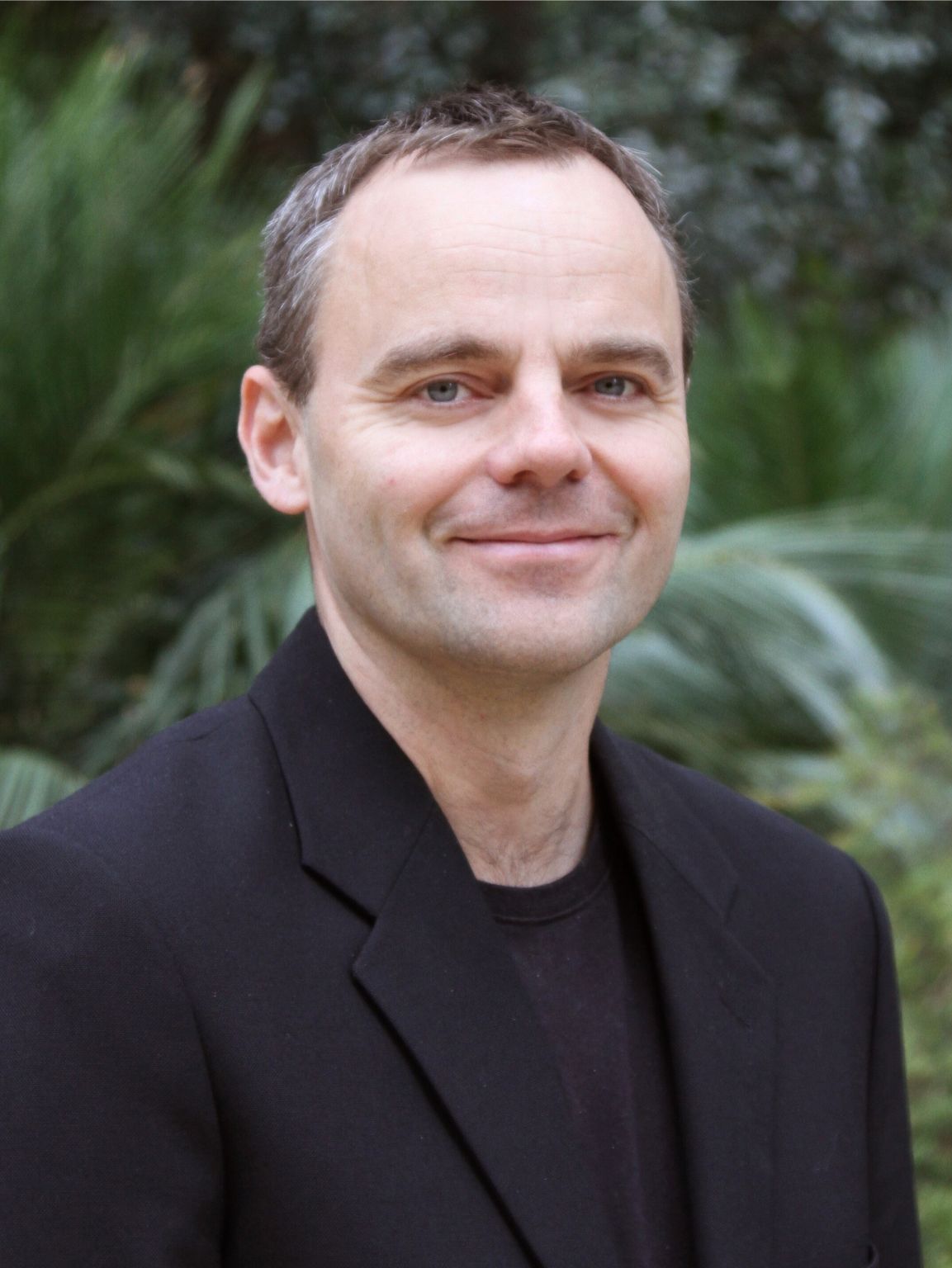 Professor Jakob Hohwy
Faculty of ArtsProfessor Hohwy established the highly successful Cognition and Philosophy Lab at Monash University, now merged with the Monash Centre for Consciousness and Contemplative Studies (M3CS; Professor Hohwy as founding Director), creating an intellectually stimulating and productive research environment for graduate students. Professor Hohwy has fostered a large, unique, highly interdisciplinary research group which has seen large numbers of domestic and international postgraduate students supervised by Professor Hohwy and collaborators. He has an outstanding track record for graduate supervision. Professor Hohwy has had 13 completions since 2019, with many of his students quickly developing their own successful careers. Much of his students' success has been underpinned by Professor Hohwy's commitment to mentoring students through the research publication process and focus on publishing in high quality and often world leading journals.
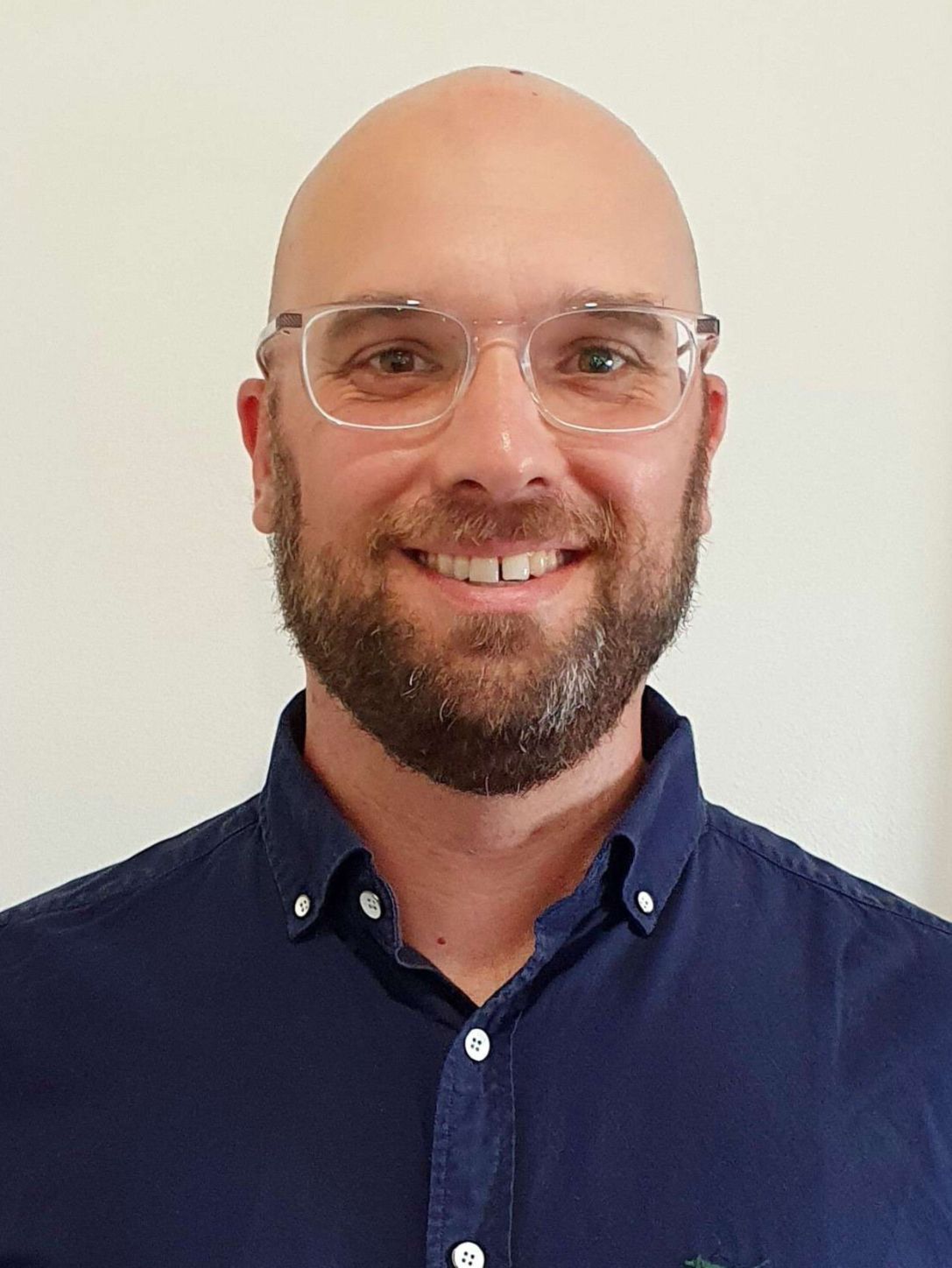
Professor David Johnston
Faculty of Business and EconomicsProfessor David Johnston is a research professor in the Centre for Health Economics, Monash Business School. His broad research interests are in health economics, labour economics, and applied microeconometrics, but is particularly interested in the economics of mental health and wellbeing, resilience, and the impacts of people's environment. He currently supervises eight PhD students and has supervised five students to completion during the past several years. The areas of study for these students are diverse, including: climate, health and wellbeing; children’s time use, development and health; health and cognition among older cohorts; and childhood maltreatment and the child protection system. Many of his students have achieved excellent post-PhD employment outcomes at leading Australian and international universities (e.g. London School of Economics, University of Zurich, and University College London).

Dr Richard Joyce
Faculty of LawDr Richard Joyce is a leading scholar in the field of international law and legal theory. He is currently leading an inter-disciplinary team based in Australia, the UK and USA on a project entitled 'International Law and the Challenge of Populism', funded by an Australian Research Council Discovery Project Award. He has an exemplary record of supervision across a broad range of international legal topics and challenges his students to think critically and creatively about the global issues at the core of their research. Prior to joining Monash he taught at Reading University, King's College London and University College London. He is currently a member of the Global Faculty of the Institute for Global Law and Policy at Harvard Law School.

Professor Maria Garcia de la Banda
Faculty of Information TechnologyProfessor Maria Garcia de la Banda has made significant contributions to the theory and application of artificial intelligence (particularly logic and constraint programming) and bioinformatics. After winning her University’s ‘Best PhD Award’, she joined Monash where she was awarded a ‘Logan Fellowship’. Since then, she has co-supervised to completion, 11 HDR students in FIT, two in MNHS and two at other Universities (Melbourne and Maribor). All have completed in a timely manner and achieved exceptional examination outcomes. She is known for her excellent and detailed feedback, invaluable support, guidance and for nurturing a collegial, engaged research group. Notably, Maria has provided consistently high-quality supervision while holding a range of senior roles, including Head of School, Deputy Dean, Deputy Director of Research, ARC College of Experts Member and Co-Chair of FutureLab. She has also continued her own high-quality research, attracting more than $60 million in research income and named CI on 11 ARC grants (five as lead).

Professor Suzanne Miller
Faculty of Medicine, Nursing and Health SciencesProfessor Miller is an exceptional postgraduate supervisor based in the Faculty of Medicine, Nursing and Health Sciences. In the past five years, she has supervised 11 PhD students to completion, including four international students. She is committed to developing our next generation of biomedical science researchers. Her group is recognised as a national and international destination for students seeking training in translational studies of foetal and neonatal development, particularly brain development. Her track record of excellence in supervision is exemplified in the multidisciplinary fields and roles that her past students are now undertaking, demonstrating the breadth of fundamental to clinical translational science training that Professor Miller provides her students. Importantly, her students and fellow supervisors speak highly of her enthusiasm for individualised learning and skills training, especially in science communication. She is a worthy recipient of the Excellence in Postgraduate Supervision Award.
-
To reward professional staff members who have recently achieved, or are currently achieving, outstanding contributions to the success of Monash research. The award celebrates success in those who go above and beyond to make a positive impact via their work as part of the Monash Research Community demonstrating sustained and significant achievement.
 Dr Leanne Hawkey
Faculty of Pharmacy and Pharmaceutical SciencesDr Leanne Hawkey obtained her PhD from Monash in 2005. She undertook postdoctoral research at the University of Virginia from 2005-2008, and was employed by Covance Laboratories in Virginia from 2009-2010. Re-joining Monash in 2011, she was employed as Platform Manager of the MGMP and the APN (Monash Node). From 2020, Leanne has worked as Operations Manager of the Australian Translational Medicinal Chemistry Facility (ATMCF) within MIPS. Nurturing the Facility to commercial maturity, Leanne also undertook a Global Executive MBA in 2021-22. Leanne’s management of the contractual and commercial aspects of the ATMCF are instrumental in its success in achieving grants and collaborative contracts with academic and commercial partners. During a period of change of Director, Leanne’s knowledge of the projects, clients, staff and work of the ATMCF were invaluable to MIPS in making a smooth transition to new scientific leadership with minimum interruption to the work of the Facility.
 Dr Sue Pepper
Monash Sustainable Development InstituteDr Sue Pepper is Monash Sustainable Development Institute’s research grant and development specialist and joined the team in 2016. Sue is highly regarded for her ability to use government, business and university networks to identify and build strategic opportunities. She completed her biotechnology-based PhD in 2004 and after 6 years at The University of Melbourne as a lecturer and researcher, moved to Canberra to work as a senior manager with two Commonwealth governments and later undertook a position with the Victorian Department of Agriculture in Biosecurity. Over this time, she developed expertise in the development of program logic frameworks for research projects, policy development and strategic planning. Working closely with Monash colleagues she has played, and continues to play, a key role in obtaining funding for complex, high-value, trans-disciplinary research programs and has been involved in proposal teams for major programs such as RISE and ARC Discovery and Linkage applications.
 Isabella Webb
Faculty of Art, Design and ArchitectureIsabella Webb is a Spatial Designer, PhD Candidate and Research Officer within the XYX Lab, and teaching in the Design Department in the Spatial and Communication design programs. Her interdisciplinary skill set allows her to contribute her knowledge of spatial practice and visual representation to highlight and examine issues and impact across a range of projects related to urban gender inequality. Isabella has worked on a wide range of research projects, presentations, exhibitions and bespoke workshops within the XYX Lab. Her recent contributions include the multi-award-winning HyperSext City exhibition design, exhibited in Sydney and Fremantle, and Consenting Cities, currently showing at Palazzo Mora in Venice. She has also designed and built the micro-credential “Gender-Sensitive Training for Inclusive Placemaking”, developed specifically for professionals involved in planning, urban design and policy-making for safer public spaces.
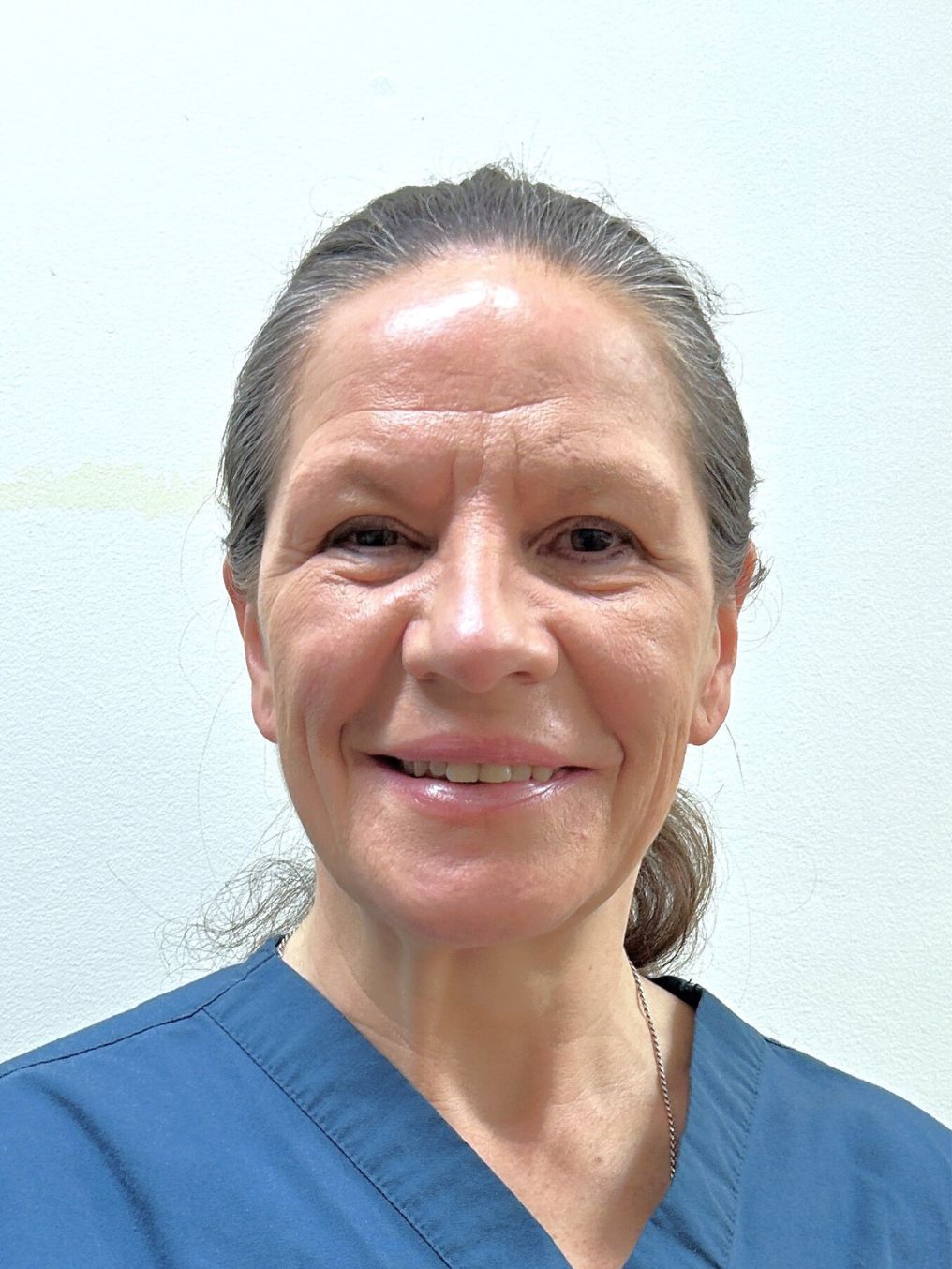 Katrina Worthy
Faculty of Medicine, Nursing and Health SciencesKatrina Worthy graduated with Honours in Physiology in 1995, and has since had a distinguished career in the Department. As a laboratory manager she successfully tackled the substantial organisational challenges related to research using large animals, being an essential factor in the continuous funding of this line of research by multiple groups for over 20 years. She has co-authored 20 papers. Her leadership as a Departmental Safety Officer was particularly appreciated in the early days of the COVID crisis, when she took initiatives such as preparation of signage and personal disinfectant materials before an Institutional response became established, and organisation of safe storage for perishable samples. Her work is often recognised as going well beyond the call of duty, as also recognised by the 2021 BDI Award for Outstanding Achievement for Contribution to Professional Support of Research and the 2023 Dean's Award for Professional Excellence.
Faculty Graduate Research Office Team
Faculty of Engineering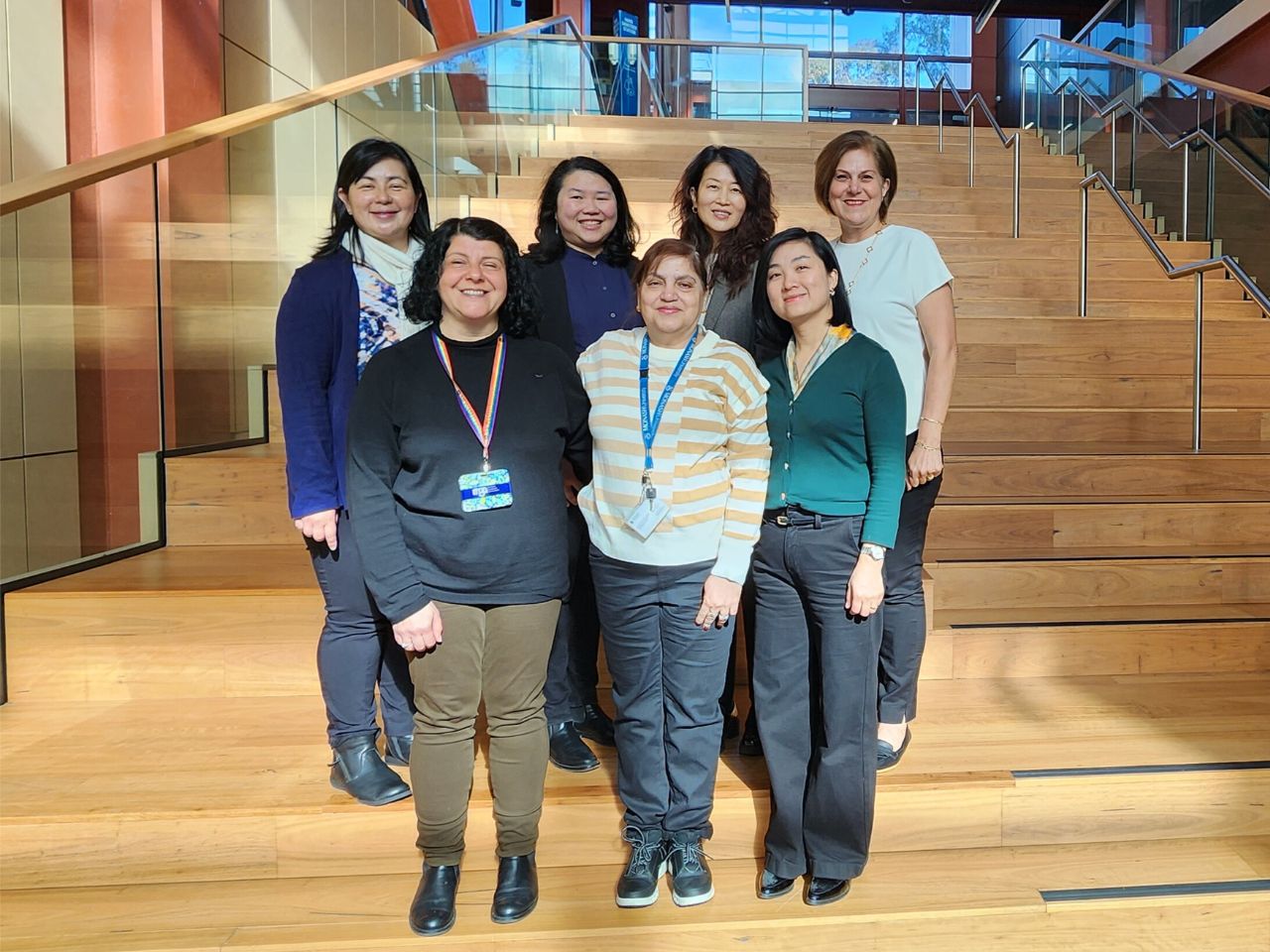
Dr Tanya Tan, Danette Deriane, Dr Fatin Hasan, Dr Ranjeet Singh and Minning Re
Dr Tanya Tan (Graduate Research Manager, Faculty of Engineering), with veterinary and accounting experience, focuses on strategic planning and continuous improvement, coordinating and providing expertise, mentorship, and leadership to Engineering’s graduate research team. Mrs Danette Deriane (Senior Graduate Research Student and Academic Coordinator), with an accounting background, is a planning, organising, and problem-solving expert, and the central figure for graduate research issues. Dr Fatin Hasan (Senior Coordinator, Graduate Research – Research Engagement) is a specialist in coordination and implementation of graduate research programs. Our Graduate Research Student and Academic coordinators, Dr Ranjeet Singh and Mrs Minning Ren, provide vital support and advice to stakeholders, organise events and oversee the daily operations of the Graduate Research Office. The team’s expertise, drawn from diverse backgrounds, has yielded extraordinary process improvements and innovations, recognised by an independent course review panel and two Dean’s Awards - Process Improvement (2022) and Professional Excellence in Research (2023).
Professional Excellence Awards
-
The Vice-Chancellor's Excellence Awards for Equity, Diversity and Inclusion recognise those who have made an outstanding contribution to advancing equity, diversity and fostering inclusion at Monash and beyond.

Professor Uma Devi Palanisamy
Jeffrey Cheah School of Medicine and Health Sciences, MalaysiaDeaf individuals in Malaysia face challenges when seeking medical care. Professor Uma Palanisamy in her efforts to address the healthcare needs of this community worked collaboratively to develop several innovative solutions. She used technology in a conceptually simple way to address their HC communication needs, with the development of an app. She led a team that designed and delivered best practice workshops to medical students and healthcare practitioners. Her efforts won the inaugural Nature Award for Inclusive Health Research, recognising her impact in tackling health inequality for Malaysia's Deaf community. Her work exemplifies the transformative potential of inclusive healthcare research.

Leona Holloway
Faculty of Information TechnologyLeona Holloway has a rich history supporting the blind and low vision (BLV) community. This is evident from her research and community engagement, which is leading to direct change within the sector regarding braille and the provision of accessible materials to BLV children and adults. Leona’s work with the Australian Braille Authority and International Council on English Braille, continued community outreach, and strong co-design-led research, provide evidence of Leona as someone who places community and allyship at the heart of all she does.

Associate Professor Jagjit Plahe
Faculty of Business and EconomicsAssociate Professor Jagjit Plahe is a successful leader and role model in the promotion and support of equitable, diverse, and inclusive knowledge production, education, and service, to our Monash community and beyond. She pursues collaborative research with partners from diverse disciplines, universities, and organisations in developing countries to address wicked problems of climate change, food insecurity, and political and economic systems. She empowers students with critical knowledge to pursue more just and more diverse social-ecological futures. She builds the University's own capacity and capability to enact the very values that it espouses through her service work. Associate Professor Plahe is the very embodiment of the core values of Impact 2030.

Professor Jane Lai Yee Terpstra Tong
School of Business, MalaysiaProfessor Jane Tong has been instrumental in fostering a culture of Equity, Diversity and Inclusion (EDI) at Monash Malaysia since 2017. Her voluntary commitment plays a pivotal role in transforming the campus into a preferred workplace that embraces diversity and fosters inclusion. One notable contribution was her leadership in organising the D&I Week 2022, collaborating with student leaders, academics, and professional staff. This groundbreaking event attracted over 1,500 participants through four days of educational and fun activities. Furthermore, Professor Tong mentors future EDI leaders, ensuring the campus's ongoing commitment to EDI excellence.
Advancing Women in Healthcare Leadership Initiative Team (AWHL)
Faculty of Medicine, Nursing & Health Sciences






Left to right: (On behalf of the broader AWHL team and partners) Professor Helena Teede, Dr Belinda Garth, Dr Wafa El-Adhami, Dr Mariam Mousa, Dr Jenny Proimos, Ifeoluwa Adesina and Mihiri Pincha Baduge
AWHL is unique in its effective, tailored approach to the challenges faced by women in healthcare. Evidence-based strategies and broad stakeholder partnerships are fundamental, facilitating diversity and inclusivity at its core. The program's outreach has been considerable, transforming healthcare organisations with evidence-based policies and gender-supportive training, procedures, and protocols.
Led by Professor Helena Teede, AWHL has been instrumental in advocating for and escalating gender diversity in leadership, fortifying performance within the healthcare sector, and improving organisational performance, health impact, women’s engagement, satisfaction, and retention. AWHL challenges gender-biased beliefs and fosters an inclusive culture.
Job Ready Graduates (JRG) Package
Office of the Deputy Vice-Chancellor (Education) and Senior Vice-President, eSolutions and Student Services, University Marketing Admissions and Communications, Advancement



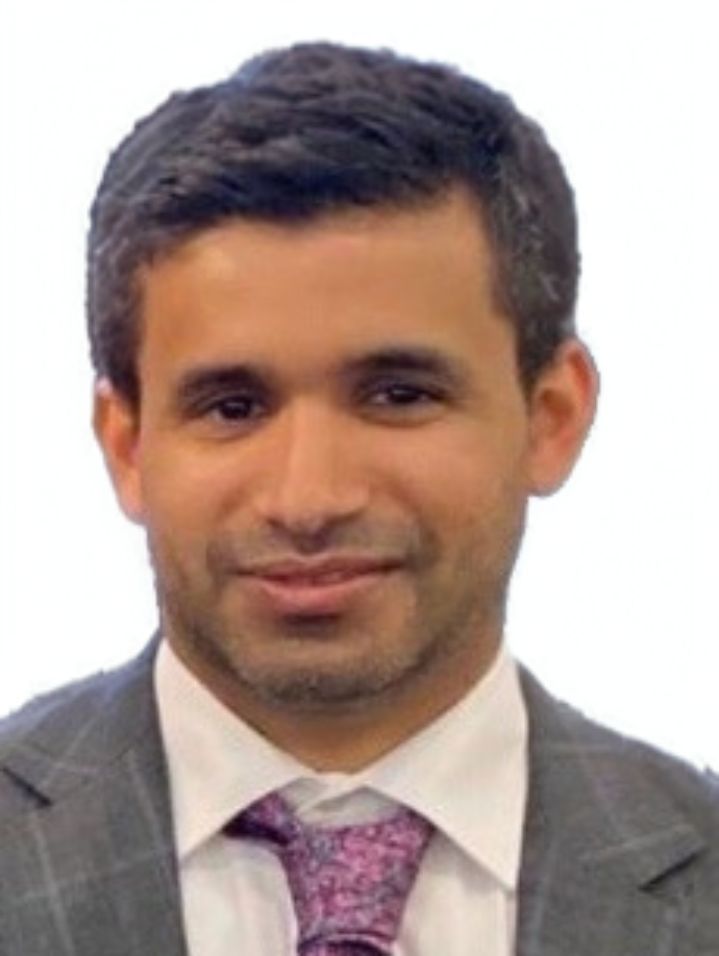

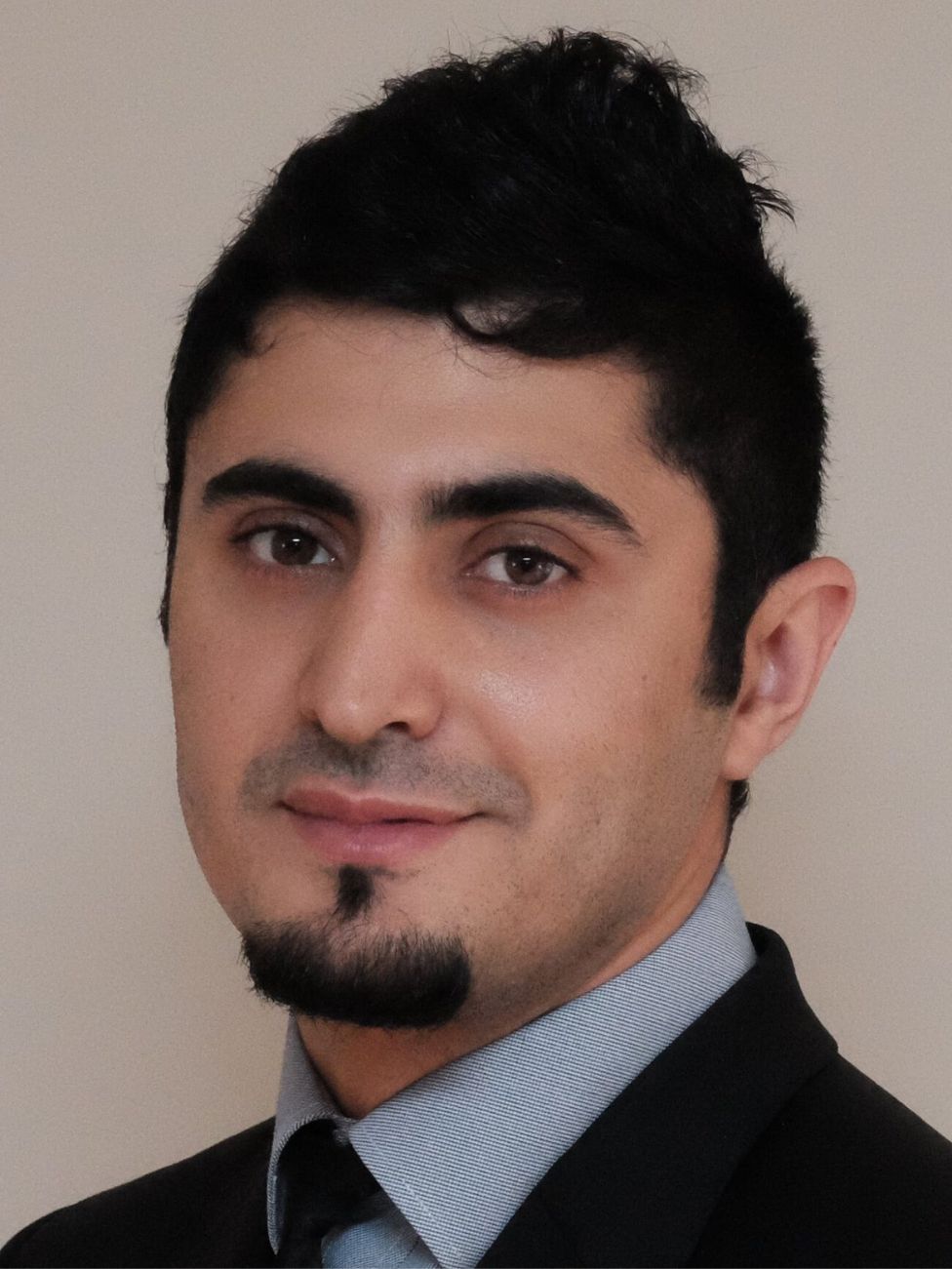



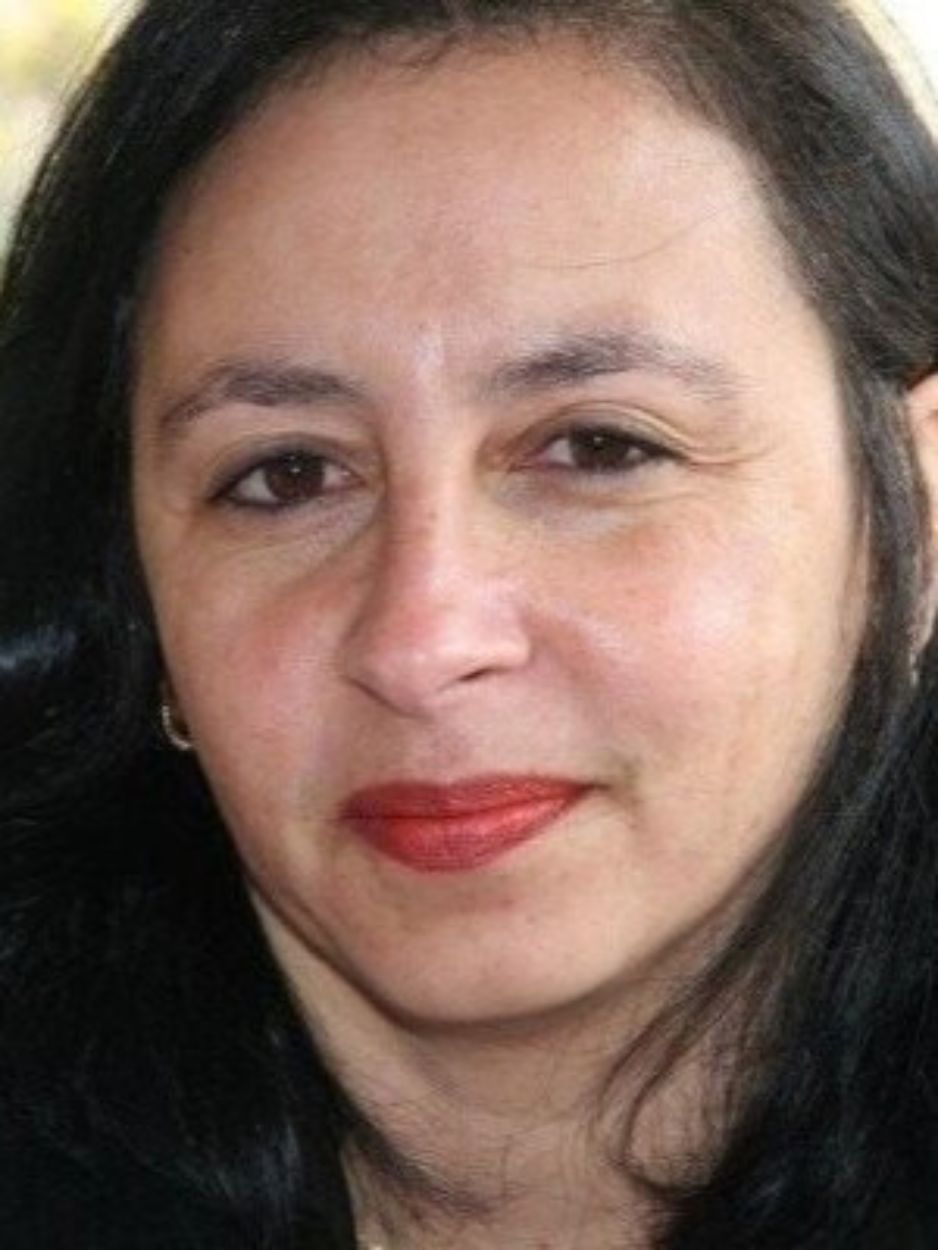
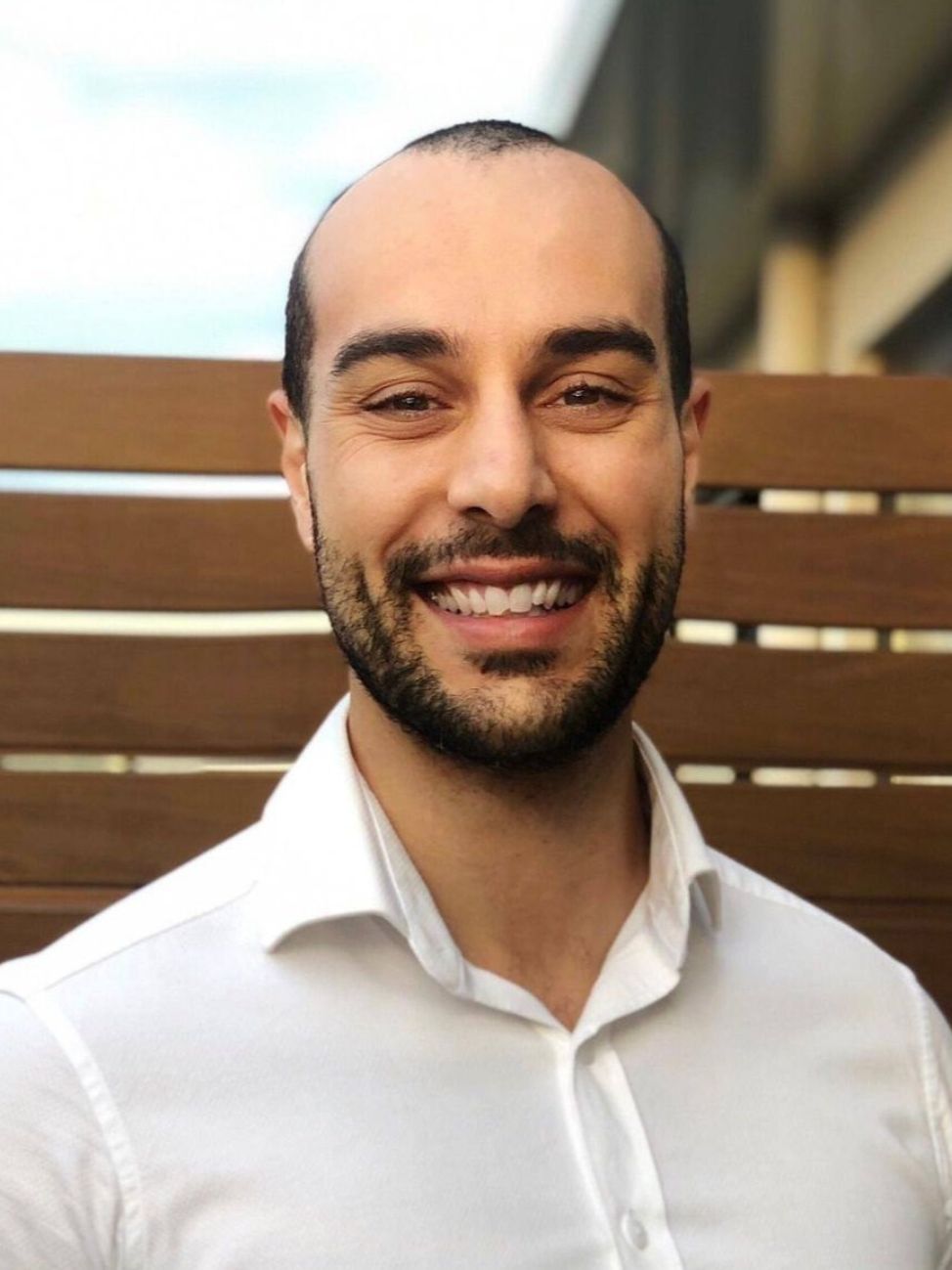

Left to right from top row: Dr Candice Menidis, Olivia Hartles, Ross Engelbrecht, Andrew Jardine, Dr Abdullah Alghamdi, Brent Muir, Claudio Iturbe, Dr David Carroll, Lara Simpkin, Dr Menik Tissera, Paul Carter, Silvana Aguiar, Steve Ludekens and Teeghan Henderson (Nathaniel Koelmeyer and Rebecca Hodgkin not pictured)
Cross functional and cross portfolio teams came together as a task force to collaboratively implement a Monash response to the 50 per cent pass rate requirements of the Job Ready Graduates (JRG) package. Monash campaigned against the rule as it would disproportionately disadvantage students from equity backgrounds.
Monash delivered a proactive, sector leading response to the package. Minimal students were impacted due to early intervention and support provided, leading to a higher than anticipated retention rate. The achievement of this goal was made possible by the task force’s effective collaboration, innovation and focus on student communications.
-
The Vice-Chancellor’s Excellence Awards for Occupational Health & Safety (OH&S) recognise individuals and teams who have made an outstanding contribution by implementing innovative and exciting ideas in OH&S at Monash.

Sarah Argles
Monash AbroadMonash Abroad’s Sarah Argles strives to achieve the goals of Impact 2030 and tackle the world’s global challenges by paving a way for staff and students to safely access learning abroad programs that are international, inclusive, and excellent. Following the pandemic, Sarah implemented a comprehensive operational plan for student international travel and faculty-led global study tours. An example of Sarah’s success with OHS excellence is through her “Monash Abroad Managing Risk and Safety” training. This training is required of all leaders of group international travel activities and is available through MyDevelopment. Sarah has individually trained over 125 Monash staff and students from Monash’s global campus network.

Associate Professor Warren Batchelor
Faculty of EngineeringAs Departmental and Faculty OHS chair, Associate Professor Warren Batchelor has:
- Devised a project close-out form, which has been implemented across the Faculty and University.
- Developed high-quality safety videos on a range of topics with Faculty funding. These have been deployed in safety inductions across multiple departments and also in New Horizons.
- Transferred the Safety Day initiative from a single department to all departments, Faculty wide.
- Converted the running of the Departmental safety committee from a top-down process to one run by the researchers, increasing the involvement of the students in OHS and the effectiveness of the committee.Mental Health Basics for Educators Facilitators
Faculty of Medicine, Nursing and Health Sciences, Faculty of Information Technology, Campus Community Division



Left to right: Dr Allie Ford, Phillip Abramson, Dana Bui and Mio Ihashi
Amid rising student stress, a cross-institutional team from MNHS, FIT, MEA and Monash Counselling developed a flexible, self-paced training module, Mental Health Basics for Educators. The module, with evidence-informed content, best-practice educational strategies, and feedback-focused assessment tasks, equips staff with mental health awareness, confidence, and practical strategies to reduce stress and normalise help-seeking. The module has been completed by over 200 staff since its inception and feedback highlights the module’s positive impact, fostering a broader university-wide mental health approach that can be applied to students, colleagues, and the broader community.
SPS and Psychosocial Risk OHS Team
Faculty of Medicine, Nursing and Health Sciences




Left to right from top row: Kellie Hamill, Kathryn Kallady, Andrew Laing, Rachael Knott and Dr Amelia Hicks (Dr Beth Johnson not pictured)
The team delivered key improvements in psychosocial risk management across Monash University, ahead of the release of the Victorian Psychological Health Regulations. They (1) revised SARAH+ self reporting forms to more appropriately capture psychosocial incidents and injuries, (2) streamlined online staff onboarding processes that incorporated psychosocial risk training, (3) piloted psychosocial risk training to upskill managers and supervisors within mandatory OHS training, (4) draft University psychosocial risk management guidelines, (5) published a white paper for Risk Management Institute of Australasia, and (6) foster cross-university alignment of psychosocial risk identification and management processes (Griffith, USyd, UQ, RMIT, ECU).
-
The Vice-Chancellor's Excellence Awards for Professional Staff recognise individuals and teams who have made an outstanding contribution to Monash.

Natalie Emmerson
Government Relations and PrecinctsNatalie Emmerson’s seamless dedication to her outstanding work across the Monash Commission and Government Relations has delivered a reputational impact for Monash at a local and international level and helped Monash to secure funding from new areas. Her genuine commitment to the University and her embodiment of the University's values is exemplified through her willingness to take on extra responsibilities, including numerous Secretariat roles, the coordination of Monash’s Defence activity, and University involvement in Government panels. She does so with a ‘can-do’ attitude to produce the best possible outcome for Monash, belying the inordinate investment she makes in what she delivers.

Anthea Hall
Monash HRAnthea Hall is nominated for the Vice-Chancellor’s Excellence Awards for Professional Staff for her exceptional performance as a senior advisor, consistently exceeding expectations and achieving profound positive impact on the experiences of university staff. An inspiring emerging leader, driven by purposefulness, Anthea's emphasis on inclusive collaboration, process enhancement, championing authenticity, and open, honest dialogue fosters a culture of learning and shared responsibility. In her remarkable determination to instigate positive transformation as well as empower, encourage, and uplift others, Anthea embodies the University's values in promoting discovery, learning, honesty, collaboration and fairness.

Kim Tang
William Cooper InstituteKim Tang has gone above and beyond the requirements of her role to such a degree that her role has begun to change with her. Kim’s strong interpersonal skills, helpful manner and broad networks have stood out since she has been at Monash. She has been a driving force behind a range of initiatives, both within the William Cooper Institute as well as in collaboration with other departments. In the past year alone, Kim has engaged extensively with industry to create internship, employment, and scholarship opportunities for Indigenous students; attracted significant industry engagement with the Indigenous Nationals event; and lent her expertise and networks to student career days and high-profile Monash events.
Finance and Procurement Team, Malaysia
Office of the Pro Vice-Chancellor and President, Malaysia
Left to right from top row: Audrey Wong Pek Fong, Evonne Yeoh Pei Rong, Carmen Low Pek Lian and Justine Chan Lai Mun
The project of changing from the legacy system to a modern SaaS solution was achieved with the minimum expense and a huge effort from the team. The change is extraordinary and the team was a leader within the Monash Group of companies. The change management was extensive and we now have full evidence of this project being a success. Just the thought of going live on time, within the allocated budget and producing annual accounts with the same team on time makes me feel so proud of the team and their Manager Jody Wan. An extraordinary effort that deserves a nomination in the category of Professional Excellence.
Indigenous Nationals 2023 Organising Committee
Monash Sport, William Cooper Institute, Campus Community Division
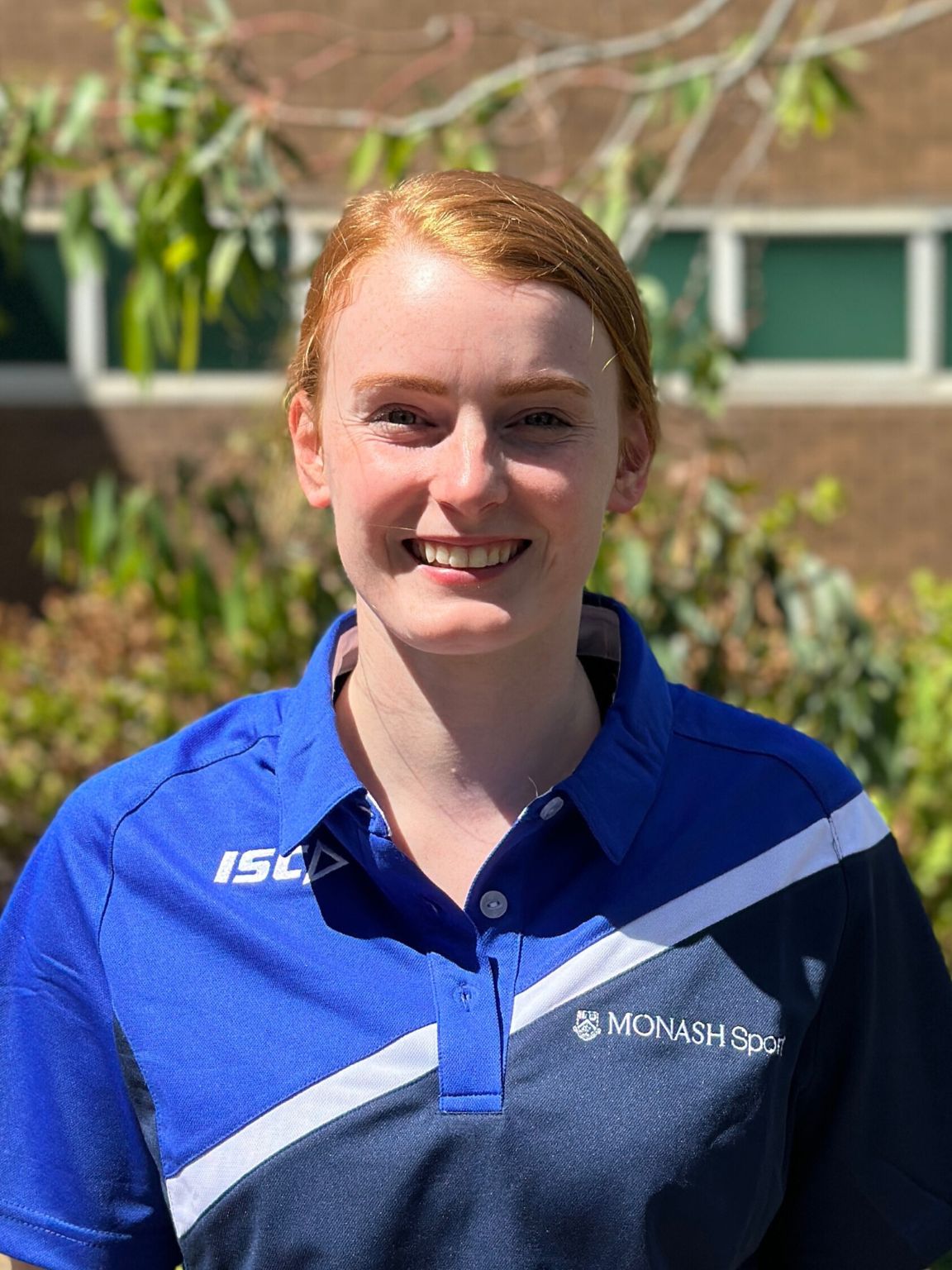
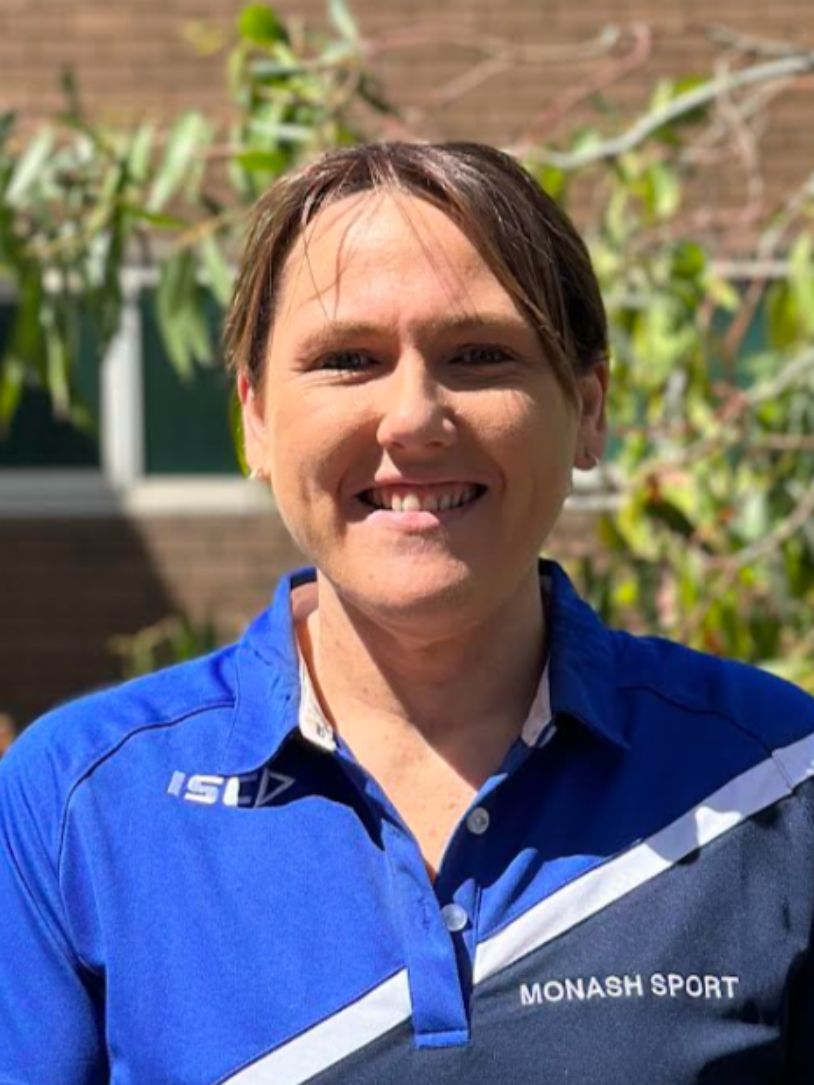





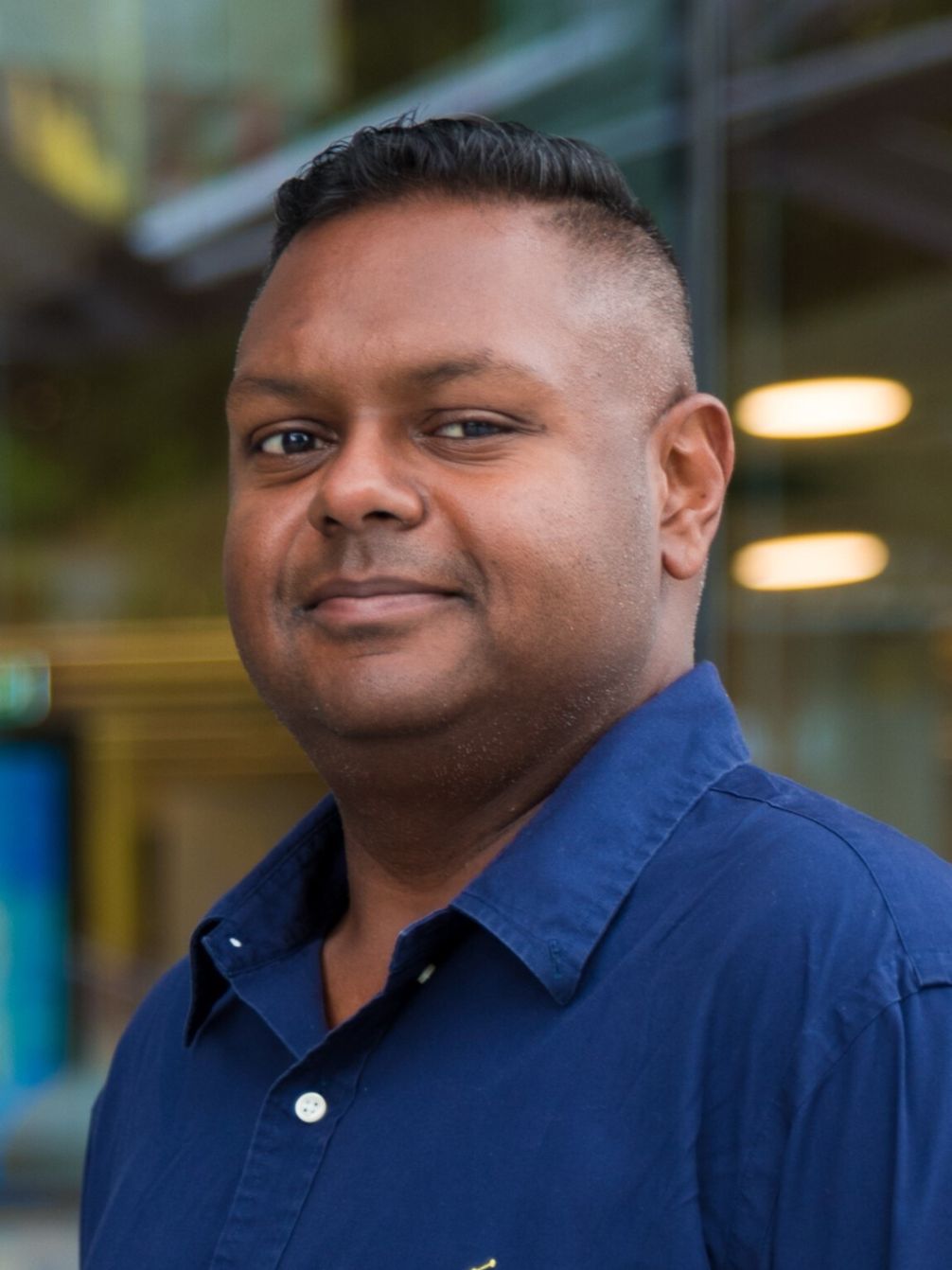


Left to right from top row: Darren McLeod, Katie Martin, Alicia Stack, Dale Cridland, Audrey Chmielewski, Melanie Elston, Allira Jones, Kim Tang, Enna Rossy, David Victor, Michael Jones and Matthew Sheldon-Collins
In June 2023, Monash University hosted the largest and most outstanding Indigenous Nationals event ever held (IN23). The week of sporting competition, social engagement and cultural immersion was enjoyed by over 500 Indigenous University students. The event was 18 months in the making, from developing the hosting bid document to the Closing Ceremony, and involved thousands of hours of work from hundreds of people. The IN23 Organising Committee delivered a quantum shift in the standard of this culturally significant event, highlighting the quality of Monash University facilities and people and challenging future host institutions to also aim high.
Monash South Africa Teach Out Group
Office of the Pro Vice-Chancellor (International), Office of the President and Vice-Chancellor, Office of the Chief Operating Officer and Senior Vice-President, Deputy Vice-Chancellor (Research) and Senior Vice-President, Monash University Library, Faculty of Arts, Faculty of Engineering, Faculty of Business and Economics, Faculty of Information Technology, Faculty of Medicine, Nursing and Health Sciences, eSolutions and Student Services, University Marketing Admissions and Communications













Left to right from top row: Michael Simmonds, Narelle McAuliffe, Jenny Phillips, Dr Samantha Young, Michael Collins, Connie Barbuscio, Kaye Sullivan, Jean Blundell-Caulfield, Bianca Roggenbucke, Vijay Sunder, Fiona Bertoli, Michelle Gschiel, Ross Engelbrecht, Joanne Calmer, Stefan Ziemer, Fabian Marrone, Belinda Hayes and James Marshall (Dr Monica Wehner, Julianne Wantrup, Karen McRae, Caitlin Slattery and Lisa Davis not pictured)
The team that designed, led and managed the transition from the South African campus faced the challenge of doing something that no university in our peer set had ever done: exit a full campus in another country. Overcoming many challenges along the way, the cross-university team ensured it was achieved on the planned time frame, with a high rate of student completion, and underpinned by fairness and respect for the interests of students and families impacted by the transition.
In the course they demonstrated outstanding internal collaboration (across divisions and faculties), as well as with the new owner.
Student Load, Revenue and Resource Planning (SLRRP) Project Team
Office of the Deputy Vice-Chancellor (Enterprise and Engagement), Office of the Deputy Vice-Chancellor (Education) and Senior Vice-President, Faculty of Education, eSolutions and Student Services Portfolio, Office of the Chief Financial Officer and Senior Vice-President


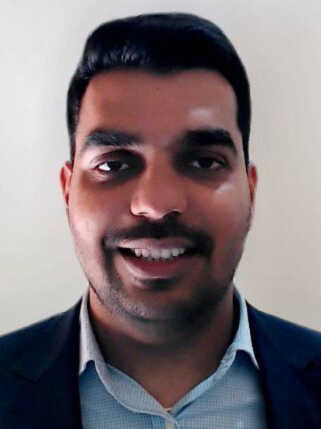







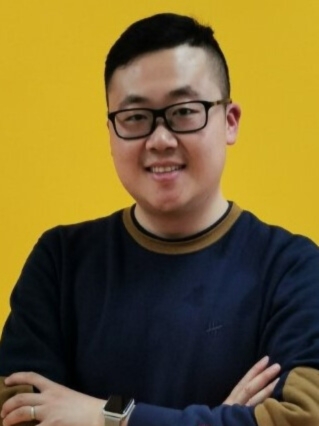
Left to right from top row: Eleni Tounoussidis, Lindsey Bangay, Lewis Breeuwer-Wrennall, Sumit Wadhawan, Dr Daniel Somers, Ranjani Dhananjay, Deepa Ravichandran, Sneha Mehta, Cheryl Wu, Piyush Shukla, Charlotte Zheng and Fred Lu (Kath Margetts, Andrea Jeffreys and Greg Roughsedge not pictured)
Student load accounted for $1.6 billion (~60%) of Monash’s revenue in 2022. The Student Load, Revenue and Resource Planning (SLRRP) project commenced in 2021, tasked with transforming the existing significantly manual and inconsistent load planning practices across the Monash Group and delivering a platform for robust, streamlined and flexible planning that can cater for any internal or external changes, including unexpected events like the recent pandemic. Guided by the principles of transparency and collaboration, the project team successfully rolled out STLAR in March 2023, meeting all the critical success factors that were set at the commencement of the project.
Monash Honour Roll
The Monash Honour Roll recognises the University’s most outstanding and generous academic leaders who consistently and generously share their skill and expertise, mentoring colleagues, forging education and research initiatives and collaborations, and fostering a culture of academic excellence.