
Monash study links severe maternal COVID-19 to infant developmental delays
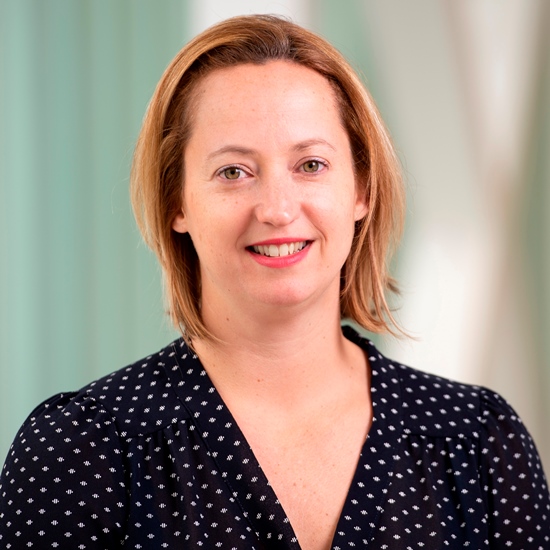
Associate Professor Rachel Hill
A new study from Monash University has found that severe COVID-19 infections during pregnancy may lead to neurodevelopmental delays in infants. The research, led by Associate Professor Rachel Hill and Professor Suresh Sundram from the School of Clinical Sciences at Monash Health, emphasises the need for protecting pregnant women from severe viral infections and offers potential new ways to identify at-risk infants.
Key Findings and Implications
The study, supported by funding from One In Five and published in Molecular Psychiatry, followed 16 pregnant women who required hospitalisation for COVID-19 in 2021/22. Key findings include:
- Women with severe COVID-19 infections during pregnancy had higher levels of the inflammatory marker IL-6 at delivery.
- COVID-exposed infants showed delayed neurodevelopment at 12 months of age.
- Higher maternal IL-6 levels at birth correlated with lower infant communication and problem-solving scores.
- DNA methylation patterns in exposed infants differed, particularly in genes associated with brain development.
"While our sample size is limited, these findings highlight an important link between severe maternal COVID-19 infections and poorer neurodevelopmental outcomes for children," said A/Professor Hill. "However, it's crucial to note that not all exposed infants showed delays, and the observed differences were subtle rather than severe."
While the exact prevalence of severe COVID-19 in pregnant women varies, studies have shown that pregnant women are at higher risk of severe illness compared to non-pregnant women of the same age. This research underscores the importance of protecting this vulnerable population.
"The pregnant population is just as vulnerable as the elderly population in terms of the potential impact of viruses," A/Professor Hill explained. "Even if the mother weathers the infection successfully, the child they're carrying could be seriously affected by a severe viral infection."
The study assessed DNA methylation patterns in infants at birth - which was supported by generous funding from the Australian Neuroscience Society and Illumina. DNA methylation is a process that can affect gene expression without changing the DNA sequence itself. In this case, researchers found differences in these patterns, particularly in genes associated with brain development and function.
"These methylation patterns could potentially serve as a biological signature to identify infants at risk of neurodevelopmental delays," A/Professor Hill said. "However, more research is needed to confirm this and develop it into a practical diagnostic tool."
What’s next?
While the initial findings are significant, A/Professor Hill emphasizes the need for continued research in this critical area. "We can't diagnose developmental disorders at 12 months, which is why we've been following these families over the past four years," she explained. The team is now conducting crucial four-year follow-up appointments to more accurately identify and characterize neurodevelopmental disorders.
A/Professor Hill aims to identify at-risk children, enabling early intervention and support. She stresses the importance of protecting pregnant women from viral infections, including through early anti-viral treatments.
To support or participate in this ongoing research, which is vital for understanding and mitigating the long-term effects of maternal COVID-19 on child development, contact A/Professor Rachel Hill at rachel.hill@monash.edu.
About Monash University
Monash University is Australia’s largest university with more than 80,000 students. In the 60 years since its foundation, it has developed a reputation for world-leading high-impact research, quality teaching, and inspiring innovation.
With four campuses in Australia and a presence in Malaysia, China, India, Indonesia and Italy, it is one of the most internationalised Australian universities.
As a leading international medical research university with the largest medical faculty in Australia and integration with leading Australian teaching hospitals, we consistently rank in the top 50 universities worldwide for clinical, pre-clinical and health sciences.
For more news, visit Medicine, Nursing and Health Sciences or Monash University.
MEDIA ENQUIRIES