
Shannon Kilmartin-Lynch
Dr. Shannon Kilmartin-Lynch
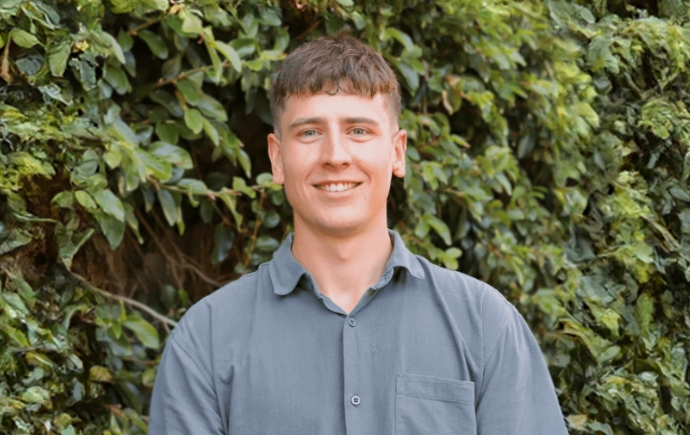
Monash University proudly welcomes Dr. Shannon Kilmartin-Lynch as he assumed the role of Associate Professor in the Department of Civil Engineering at the start of this year. Dr Kilmartin-Lynch is a proud Yowong-Illam-Balluk and Natturak Balluk man, belonging to the Taungurung people in Victoria’s North-East Kulin Nations.
His latest research is focused on repurposing coffee waste as a fine aggregate replacement in concrete and has garnered widespread attention, with coverage in over 1800 media outlets worldwide, including the Herald Sun, The Guardian and The Washington Post, ranking his research second for attention among the 9,038 studies published in the high impact Journal for Cleaner Production. This accomplishment underscores the reach and influence of his work, demonstrating its relevance and significance on a global scale.
In addition to his research endeavours, Dr Kilmartin-Lynch possesses a unique skill set and a wealth of experience in policy development and implementation. He is dedicated to elevating Indigenous science, technology, engineering and mathematics (STEM) knowledges and showcasing the vast research potential within Indigenous communities. Through his multifaceted contributions, Dr Kilmartin-Lynch exemplifies a commitment to environmental stewardship, cultural preservation, and the advancement of scientific knowledge with his research embodying a profound commitment to caring for Country and mitigating the environmental impact of waste materials.
What is your background in research?
“My background in research has heavily been based on using medical waste from PPE (Personal Protective Equipment) that was generated during COVID, for example we used isolation gowns, nitrile gloves and face masks as a fibrous reinforcement within concrete and civil applications such as sub-basin roads and pavements through to mortar and concrete, basically anything with a cementitious material base. This then followed on in exploring the uses of food waste in the form of spent coffee grounds as a fine aggregate replacement in concrete.”
What has been a significant moment for you within your research career?
“I suppose one of the significant moments that has been impactful on me was from my initial research that was being conducted during COVID and being interviewed about it live on ABC breakfast news. I got to explain my research and highlight the importance of it. That was an impactful experience, but at the same time, I want to look away from what I have done and look towards what I am doing.”
What is your role at Monash?
“My role is an associate Professor in the Department of Civil Engineering. My role is mainly a research and community facing role where I'll be engaging with people from Indigenous communities and building courses in regards to using or Indigenising coursework within the STEM faculty or the engineering faculty as a whole.
What will your research focus on?
“My research encompasses an ecocentric perspective within traditional engineering methodologies and how they can be used in real world application. Without trying to lose that knowledge of Indigenous engineering and highlighting Indigenous peoples as engineers in the applications of sustainable waste management and sustainable development to limit climate change and carbon output.”
How do you see your courses being different from the current ones?
“My courses will need to be built from the ground up to Indigenise the coursework but also change how it is being taught. It's not something that follows a standard course structure, it's not a standard concrete course, it's going to look at things from a multidisciplinary platform that steps away from civil engineering to look at engineering as a whole. It's an exciting sort of thing, especially when it's a new concept.”
As we extend our warmest welcome to Dr. Kilmartin-Lynch, we acknowledge his contributions to Indigenous-led research and his commitment to environmental stewardship, cultural preservation, and the advancement of scientific knowledge. We eagerly anticipate the ongoing impact he will make at Monash University.