
Emily Stokes
Faculty of Pharmacy and Pharmaceutical Sciences
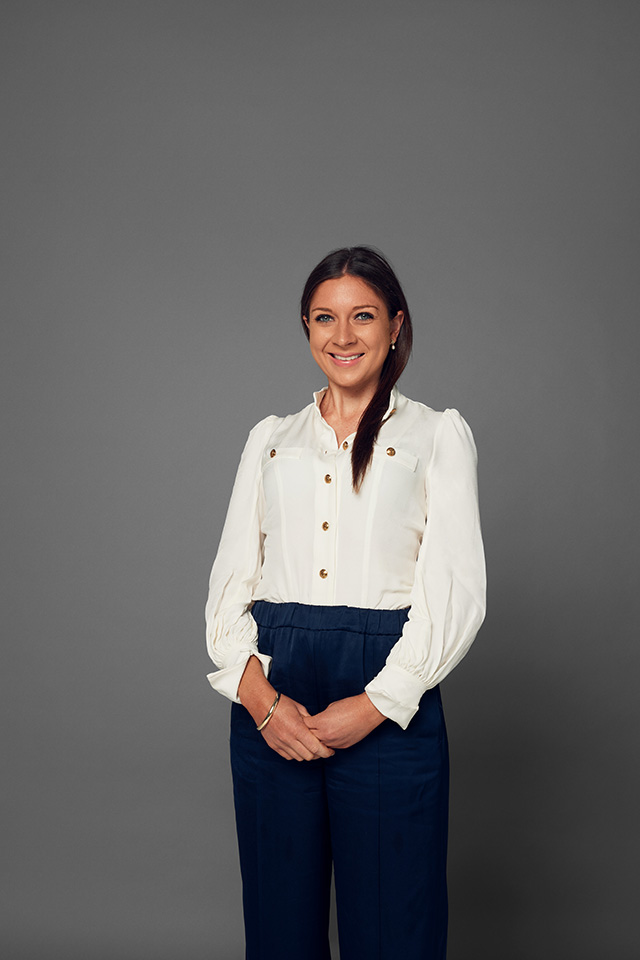
Supporting students to contribute through safe, effective, and compassionate care
Emily is deeply committed to using real-world experience as a practising pharmacist, and simulation-based learning.
What are you doing differently in your field that you believe is driving real change?
I draw from my real-world experience as a practising pharmacist to enrich the learning environment. I regularly share real-life stories and clinical scenarios that help students connect theoretical knowledge with practical application. These narratives make pharmacy practice more relatable and encourage students to critically evaluate how their decisions can influence patient outcomes.
I am deeply committed to the use of simulation-based learning. By incorporating interactive and safe simulation environments, I provide students with opportunities to practise clinical decision-making, communication, and problem-solving in a controlled setting. This hands-on approach builds their confidence and competence, ensuring they are well-prepared for the demands of the workforce.
I am also passionate about integrating generative AI as a transformative tool in education. I use AI-driven platforms to create supplementary learning experiences that offer students a safe space to explore, practise, and reflect. Whether it's through AI-generated virtual patient interactions or personalised feedback, this technology enhances engagement and supports deeper learning. I believe that by embracing these supplementary tools outside of the classroom, we can drive meaningful change in how students learn and prepare for real-world practice
I design workshop experiences where students receive constructive feedback—not only on areas for improvement but also on what they are doing well. ”
How do you help students build confidence, not just knowledge?
I support students in building confidence by creating learning environments that are both supportive and practical. I design workshop experiences where students receive constructive feedback—not only on areas for improvement but also on what they are doing well. This positive reinforcement helps them recognise their strengths and feel more assured in their abilities.
I also provide students with regular opportunities to practise and refine their skills in preparation for Objective Structured Clinical Examinations (OSCEs), both within and beyond the classroom. These practice sessions are designed to simulate real-world scenarios, helping students become more comfortable and capable in clinical settings.
I work closely with the skills coaching team to ensure students receive personalised support. Each pharmacy student is paired with a skills coach, and through regular reflection and discussion, they identify areas for development and track their progress.
What do you hope your students take away from their time with you?
I hope that students leave their time with me recognising the true value and impact they can have as pharmacists. I want them to see their worth—not just in terms of clinical knowledge, but in their ability to contribute meaningfully to society through safe, effective, and compassionate care. Whether it's through their interactions with patients, or more widely by working as a team to contribute meaningfully to healthcare, I want them to feel the personal reward that comes from making a real difference in people’s lives.
What do you hope your students remember about you 10 years from now?
I hope students remember me as a passionate clinical pharmacist and educator who genuinely cared about their growth and success. I intentionally share my personal career satisfaction with them often- particularly in contributing meaningfully to patient care- to help empower them for the future and encourage them to find the same reward in their own future work as pharmacists.
What mindset do you want your students to carry into their careers?
The mindset I want them to take into their careers is simple but powerful: care for your patients the way you would want your own family members to be cared for. That level of empathy, professionalism, and commitment can truly shape the kind of pharmacist—and person—they become.
What’s the biggest myth about university education you wish more people would rethink?
One of the biggest myths about university education—specifically when considering pharmacy—is that it’s purely science-focused. While understanding medication knowledge is essential, a large part of pharmacy education is actually about communication. Pharmacists need to be effective and meaningful communicators so they can translate complex medication knowledge into clear, helpful advice for patients. Much of our training involves role-playing real-world scenarios, where we practice delivering healthcare information to patients and carers, and practice collaborating with other health professionals.
What motivates you to continue pushing boundaries in your work?
What motivates me to continue pushing boundaries in my work is the privilege of being part of a student’s journey—knowing that their success will ultimately contribute to better health outcomes in the community. I’m deeply passionate about the course we offer, our vertically integrated master’s program, which has received multiple awards since its inception. I truly believe it equips students to become effective, capable pharmacists. Seeing them grow into professionals who make a real difference is incredibly rewarding and keeps me inspired.