
Alex Brown
Faculty of Art, Design and Architecture
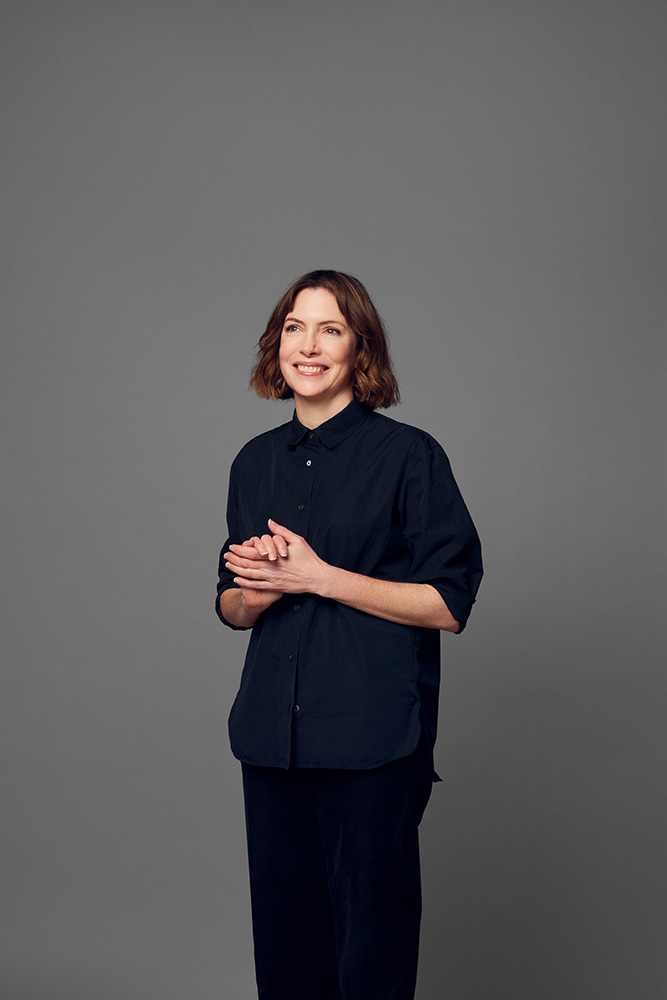
Learning to question what we see, read and build
Alex helps students think differently about architecture by encouraging curiosity, challenging familiar ideas and learning to ask better questions about the world — from media to the built environment.
What are you doing differently in your field that you believe is driving real change?
My colleagues and I have designed and delivered a new set of undergraduate architectural history and theory units that prioritise collaborative reading and writing, active listening and an awareness of, and respect for multiple histories, knowledges and perspectives. We spend time with students developing arguments and ideas in order to critically reflect onthe information that we see and receive each day across various kinds of media.
How do you help students build confidence, not just knowledge?
We work with the iterative development of notebooks and note-making skills. We also work on collaborative writing and editing to develop resources and facilitate conversations. This provides students with opportunities to practice ways of thinking about architecture independently and with each other, rather than seeing history and theory as just the performance of dates, names and/or specialist language.
Just because you don't immediately see how a class, or a lesson could be applied to industry doesn't mean that it's less valuable. ”
What mindset do you want your students to carry into their careers?
We don't need to simply accept the ideas, conditions and accepted patterns of thinking, doing and making. We need to be curious about the world and open to being productively challenged by ideas and perspectives that are unfamiliar to us.
What legacy or ripple effect do you hope to leave behind?
I'd like it if we continued to take risks with redesigning and rethinking units, even if not everyone agrees. I hope that units like the ones we've been running with such a strong focus on team co-ordinating, and teaching and modelling collaboration become more common.
What’s the biggest myth about university education you wish more people would rethink?
Just because you don't immediately see how a class, or a lesson could be applied to industry doesn't mean that it's less valuable. It's not only a place to develop specific measurable skills for a particular job or profession. University is a place to be challenged and curious.