
Chantal Hoppe
Faculty of Medicine, Nursing and Health Sciences
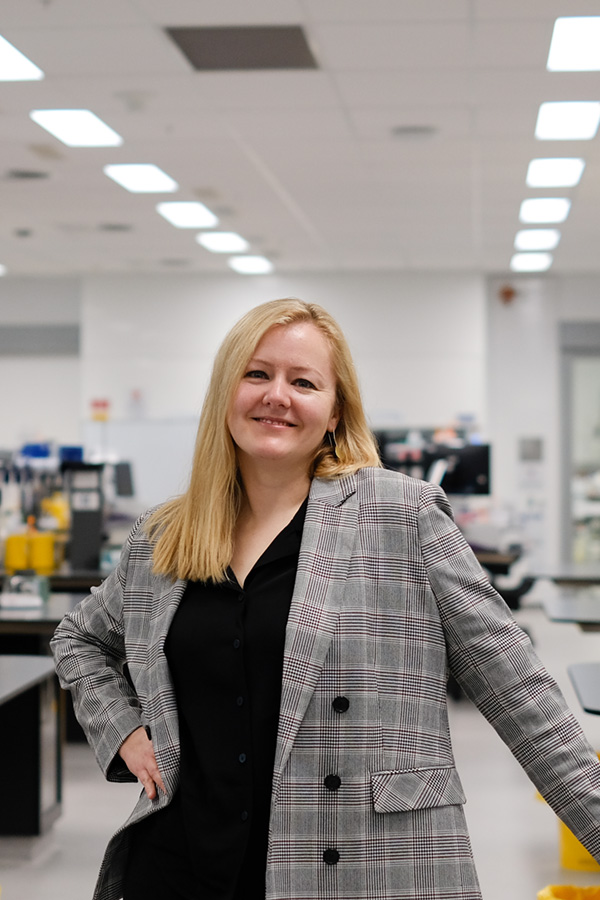
What if biology class could prepare you to shape the future?
Chantal is changing how we teach science—using planetary health, AI, and real-world connection to help students see themselves as future changemakers, not just learners.
What are you doing differently in your field that is driving real change?
I’m diving headfirst into trying new things in the classroom, and intentionally doing things differently. I’ve found that making bold, thoughtful changes is not only possible, it’s having an impact, and it's fun!
I’m also committed to keeping things future-focused and student-centred. If there’s no real-world application, then what’s the point?
This mindset has led me to explore new areas like planetary health advocacy (human impact on the earth’s natural systems) and the inclusion of generative AI in teaching and learning. I’m learning alongside my students, creating spaces where we explore and question, and co-create knowledge in ways that feel relevant and exciting. It’s not just about delivering content differently – it’s about reshaping the learning experience to meet the moment we’re in.
I’m diving headfirst into trying new things in the classroom, and intentionally doing things differently. ”
How do you help students build confidence, not just knowledge?
I build student confidence by working to create a low-pressure learning environment where students can focus on developing key skills without fear of failure. When it comes to higher-stakes assessments like oral exams, I support them by embedding regular, structured practice throughout the semester. This includes multiple opportunities to rehearse and simulate the real assessment, so by the time they reach the final task, they feel prepared, capable, and confident.
What do you hope your students remember about you 10 years from now? What mindset do you want your students to carry into their careers?
I hope students remember me as someone kind and thoughtful – someone who genuinely cared about their learning experience and encouraged them to see things from a new perspective. More than anything, I want them to leave with a sense of empowerment – to believe they have the ability to shape the world around them, and that now is their time to step up and make a difference.
I want to leave the lasting impression that nothing great is achieved alone. Success, whether in teaching, research, or any endeavour comes from nurturing your team and collaborating meaningfully with both staff and students. By fostering these relationships and creating inclusive, supportive environments, we can have impact extending beyond what we thought possible.
What’s something about Monash that would surprise people?
Monash really is a truly innovative university. The way we approach teaching is distinct from other universities – we’re constantly evolving, driven by research-informed decisions that help us improve and adapt to meet the needs of today’s students while preparing them for the future. It’s this forward-thinking, dynamic environment that makes me feel very lucky to be working here.
What’s the biggest myth about university education?
University is about much more than content. It is about preparing students to become responsible, ethical, and inclusive professionals. We encourage them to think critically about the information they receive, and to use it for the greatest impact. We also help them develop key skills like collaboration and effective communication.
What brought you to becoming an educator, or did you always know you'd end up here?
I’ve always had a love for teaching, it’s something that took root in me as a child. When I moved into research, I hadn’t planned on teaching, but when the opportunity came up, it reminded me how much I truly enjoy it. Teaching feels deeply rewarding to me because it’s a chance to connect with people and help them grow.