
Gabriella Lawson
Monash College
Teacher English Language
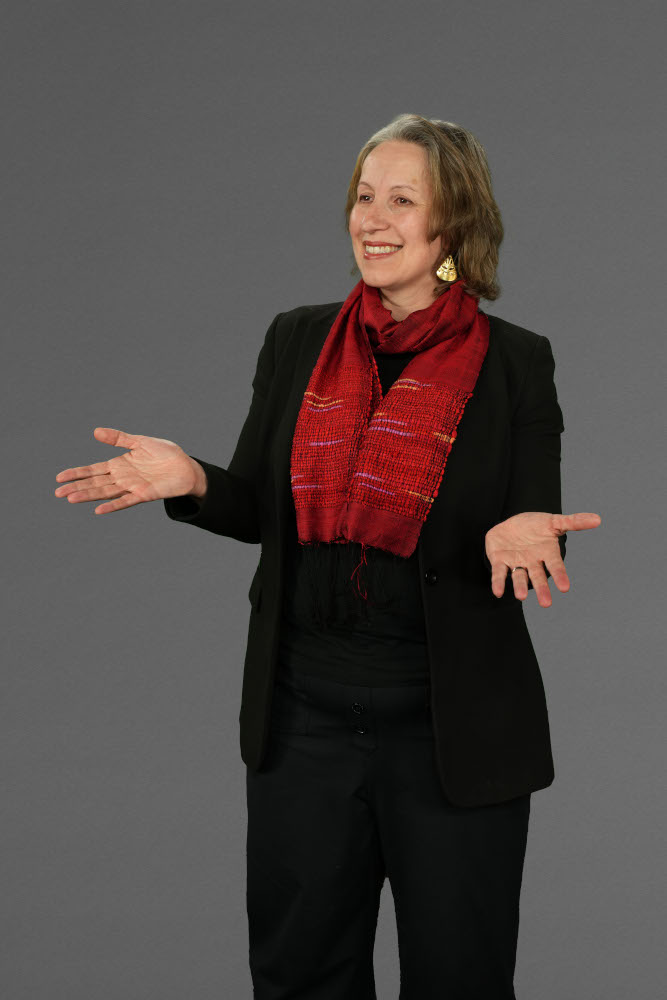
Creating safe, inclusive spaces for language learning and growth
From history teacher to ELICOS educator, Gaby has embraced unexpected paths to help students rediscover a love of learning. By tailoring lessons to individual needs and advocating for neurodivergent students, she fosters confidence, creativity, and connection – making language learning personal, transformative, and empowering.
What would surprise your younger self most about what you do now?
When I began teaching in 1999, I imagined myself as a history and ESL teacher at a Catholic secondary school in Mulgrave for the rest of my career. I never expected to work in ELICOS, especially since the sector was still emerging. With an honours degree in politics and history, it’s surprising that I ended up teaching language, especially since I’m not naturally gifted at it. But I’ve learned that sometimes you're better at teaching what doesn’t come easily, because it forces you to scaffold learning more effectively. My younger self would also be amazed by the technology I now use: tools that mark tests, calculate item discrimination, and compare class averages – all without a calculator!
What are you doing differently in your field that you believe is driving real change?
My colleague Jane and I have been presenting webinars and conferences to raise awareness about supporting neurodivergent learners.
This year, I presented at Converge, IEAA, and Iran Zamin TTC about how understanding brain function can improve teaching. For example, I discussed how neural pathways form, why mistakes are essential for learning, and why they should be seen as growth, not failure. After my IEAA talk, several attendees connected with me on LinkedIn and one shared that it helped him rethink how AI misuse was affecting learning in his course.
Language teaching builds new pathways for students to see themselves and the world differently. It’s engaging because it’s personal and transformative.”
What motivates you to continue pushing boundaries in your work?
My students. I strive to be a better teacher than I was 10 or 20 years ago. Teaching is limitless – there’s always more to learn about how people learn, and because each student is unique, learning must be tailored to individual needs. Adaptive teaching requires a deep understanding of how learning works. Identifying barriers is key, though they often remain hidden until you know how to spot them. That’s what keeps me reading, exploring, and sharing.
Was there a turning point that brought you to becoming an educator, or did you always know you'd end up here?
As a child, I wanted to be an archaeologist. But during university, I started tutoring for extra income. My first students were from non-English speaking families, and despite having no formal training, I was quickly recommended from one family to another. That’s when I realised teaching was something I was meant to do.
What do you hope your students take away from their time with you? Is there a student moment you’ll never forget, and why?
I hope my students rediscover a love of learning and remember that the process itself is the reward. I want my classroom to be a safe space.
In 2009, I taught an Iranian postgraduate student who joined a 15-week course in Week 10. He was an engineer, and writing was his weakness. His family had pooled resources to send him here because he didn’t want to do military service and study in Australia. He worked in a factory in Mulgrave and struggled with every writing task, but I never gave up on him– and he didn’t give up on himself. He passed the final test. He told me, “I don’t think I would have passed if you hadn’t been my teacher.” Seven years later, a friend of his called asking if I did private tutoring. I couldn’t at the time, but it meant a lot that he still remembered me.
How do you tailor your teaching approach to engage and inspire today's students?
People haven’t changed much – everyone loves talking about themselves. Language is how we connect, express identity, and share our humanity. Creativity is a human need, and language allows us to be creative, joyful, and vulnerable. When classroom tasks let students express who they are and connect with others, they’re almost always engaged. If they’re not, it may be due to personal challenges, and the best thing we can do is to be a safe space until they’re ready. Language teaching builds new pathways for students to see themselves and the world differently. It’s engaging because it’s personal and transformative.
What do you hope your students remember about you 10 years from now? What mindset do you want your students to carry into their careers?
I hope they remember that I liked them, cared about them, and wanted the best for them. I want them to value progress, no matter how small, and avoid comparing themselves to others. I hope they treat people with empathy, knowing everyone has unseen struggles. If they have power, I hope they use it to make life better, not harder. And I especially hope the women in my class learn not to make themselves smaller.
What’s something about Monash that would surprise people in a good way?
People would be surprised by how friendly it is. I’ve never worked anywhere with so many kind, intelligent, and genuinely interesting people who are deeply committed to their vocation. Wasn’t it Eleanor Roosevelt who said, “Great minds discuss ideas”?