
Joaquin Sanchis Martinez
Faculty of Pharmacy and Pharmaceutical Sciences
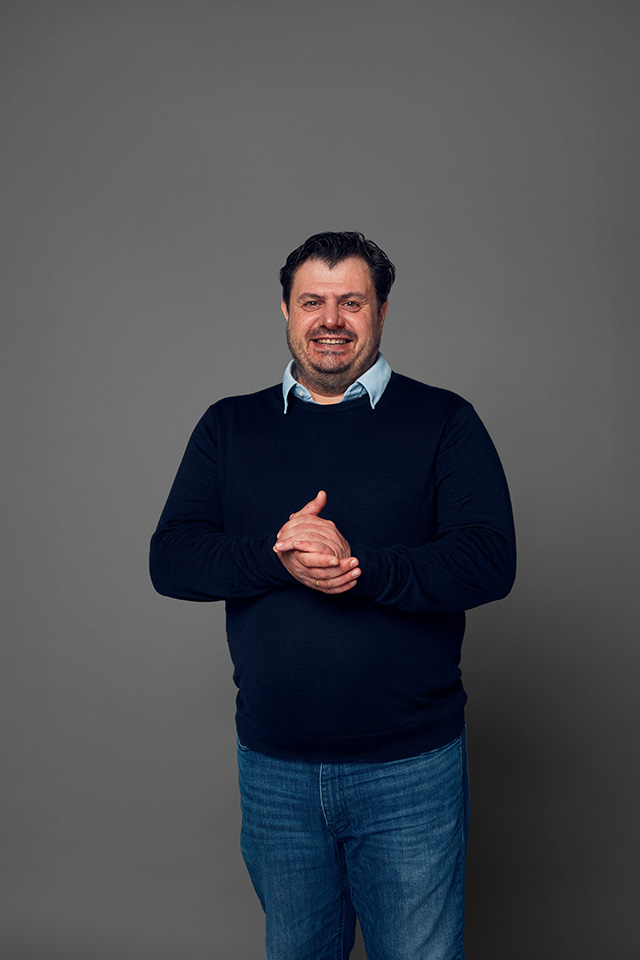
From molecules to mindsets: inspiring the next generation of changemakers
Joaquin is empowering students to question with curiosity, create through collaboration and solve real world problems.
What are you doing differently in your field that you believe is driving real change?
My teaching philosophy is that students are the real changemakers of the future. That means they need tools to solve complex problems. I focus on showing them where knowledge can be found. When the knowledge is not there, I teach them how to ask the right questions and contribute to creating it.
I try to create the right environment, for them to become the most creative version of themselves. I listen to them – especially post-COVID – to learn where students are changing how they learn and how they communicate. I offer a range of tools because every student is unique. I bring authenticity to the classroom, and I am passionate about helping them realise that they have the power to make a real difference in the world. My role is to prepare them for that.
How do you help students build confidence, not just knowledge?
Organic chemistry is dry and full of decontextualised reactions. So I created the Synthesis Club. A safe space where students can try, ask, and get things wrong without fear of bad marks. It is not for grades, it is chemistry for fun.
Each week we choose real medicines that they might find in a pharmacy over the counter, and explore how to make them. I link the club activities with what they learned the week before in class. I always tell them there are ten ways to make the same molecule. I teach them how to think through what is the best option for each situation. Suddenly they see that what they learned is useful and can be used to solve the synthesis. I suggest they make that medicine they have in their home medicine cabinet. That is where confidence grows.
When I was younger, I wanted to win a Nobel Prize. That kind of bold thinking is what I want to pass on to my students. The world needs brave, bright, and creative minds. ”
What do you hope your students remember about you 10 years from now? What mindset do you want your students to carry into their careers?
That I gave every single drop of my energy to help them thrive. That I encouraged them to question the world around them. To believe they have the power to make things better. I want to empower them to challenge the status quo and to act. For instance, they are going to face a paramount problem to solve the integration of AI in society The type of new society – with maybe the loss of jobs for many people or even whole sectors – is going to create this challenge in the near future. When they face problems they have never seen before, I want them to know they can solve them. Because they understand the thinking process, they understand the frameworks, and they believe in their own ability.
What legacy or ripple effect do you hope to leave behind?
I want to inspire pharmaceutical scientists who, even if they move into other fields, still understand chemistry and how to think holistically. People who can break down big problems and solve them in new ways.
My dream is that one day, one of my students discovers a reaction so important that it is named after them. A name reaction that helps scientists all around the world. Or any similar achievement in the sectors they will dedicate professionally. While not everyone will do research, they may be managers of big corporations and they will have to make crucial decisions that can impact society.
What’s something about Monash that would surprise people?
I have been doing research for eight years at the Monash Institute of Pharmaceutical Sciences. It works like a human body. Every part of the drug discovery process is there, from target identification to the final drug candidate. Each floor is a different part of the journey.
But the best part is the people. They are open, inclusive, and happy to collaborate. I have had access to most of the labs and facilities. That level of access and support is rare. I have been to many top institutions, and this culture stands out. Excellence here is not just in research, but in community.
What would surprise your younger self most about what you do now?
That I love chemistry even more now than when I started. That my teaching style has changed because of student feedback.
When I studied, university was rigid. I had to memorise organic chemistry reactions, with no understanding of why it mattered. When I started teaching, I copied my best professors. But that only worked for a few students. I had to learn and adapt. It is not just about motivation. It is about showing students the WHY, not the WHAT, how organic chemistry was built, and why it works the way it does.
What does being a 'Changemaker’ mean to you personally?
When I was younger, I wanted to win a Nobel Prize. That kind of bold thinking is what I want to pass on to my students. The world needs brave, bright, and creative minds.
I know I will not win the Nobel Prize. Now, my dream is to train the next Nobel Prize winner.
What motivates you to continue pushing boundaries in your work?
Seeing students grow, year-after-year. Each group inspires new ideas.
Every year I try something new. A new resource, a flashcard set, a new activity for the Synthesis Club. Now I am trying to set up a creativity lab involving sensors. I want every student to find at least one thing that helps them understand chemistry better. When I see them using it and getting excited, I know it is worth it.
Students have different motivations. Some want to pass, others want to explore. Some want to go deep, others want to become leaders. They are all important. They will go on to be researchers, regulators, managers, or CEOs.