
Kim Johnston
Faculty of Medicine, Nursing and Health Sciences
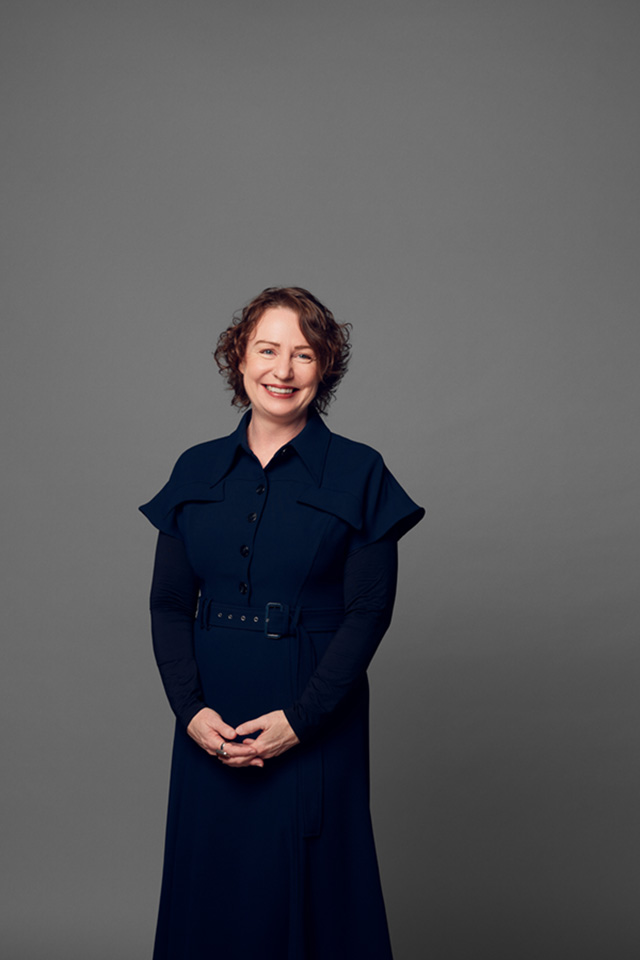
Leading initiatives in inclusive, trauma-aware learning
Kim hopes that students understand their own lived experience is a strength rather than an obstacle to learning.
What are you doing differently in your field that you believe is driving real change?
At a time when mental health and wellbeing are recognised as critical, I’m leading a shift in how we embed these principles into learning itself. In my discipline, I’m at the forefront of advancing community and lived experience co-design, ensuring the voices of those most affected are shaping our teaching. I’m also applying my psychological expertise to lead initiatives in inclusive, trauma-aware learning, supporting educators to create spaces where both teaching and learning is transformative, values-led, and grounded in what wellbeing looks like in practice.
How do you help students build confidence, not just knowledge?
I believe confidence grows when students feel safe to explore complexity. A lot of what I do aims to support both personal and professional growth, using a strengths-based approach that also requires students to grow comfortable with discomfort. I include different perspectives on what I teach, which invites students to share theirs. I also use a lot of case-based inquiry, building students’ sense of agency as they apply knowledge in real-world contexts.
I design learning that is values-driven so students can critically examine their assumptions, connect with diverse perspectives, and develop a deeper understanding of themselves and others. It’s about shaping not just what they know, but who they are in the world. ”
What do you hope your students take away from their time with you?
I hope students leave with more than knowledge – I want them to experience transformation. I design learning that is values-driven so students can critically examine their assumptions, connect with diverse perspectives, and develop a deeper understanding of themselves and others. It’s about shaping not just what they know, but who they are in the world. I hope students take from their time with me that their own lived experience is a strength rather than an obstacle to learning.
What mindset do you want your students to carry into their careers?
I want them to carry forward a mindset that balances critical reflection with compassion to self and others. To know that complexity is both the challenge and opportunity of being human, and that they can navigate that with care, courage, and humility ... as well as academic expertise.
What legacy or ripple effect do you hope to leave behind?
I hope my legacy is in how we apply psychological knowledge to the way we educate. By translating principles of psychological safety, trauma awareness, and inclusion into teaching and learning, I aim to shift not only how staff and students experience teaching and learning, but how they live, lead, and support others. The ripple effect is visible when people bring these practices into their lives, workplaces, disciplines, and communities – creating impact that extends far beyond the classroom.
What’s something about Monash that would surprise people?
Alongside our incredible researchers advancing and innovating to address the challenges of the age for the betterment of our communities, educators are there doing that work too. Amidst its scale and prestige, Monash holds space for education that has community at its heart and is willing to question the status-quo.
What does being a 'Changemaker’ mean to you personally?
Being a ‘Changemaker’ means showing up with purpose in spaces that need transformation. For me, it’s about using my knowledge to challenge traditional models of education within and beyond my discipline, to create learning environments that hold space for identity, lived experience, and complexity. It’s not just about innovating content — it’s about changing how education feels, who it includes, and what kind of world it prepares students to shape.
What motivates you to continue pushing boundaries in your work?
I’m motivated by a deep sense of social justice. I believe that as educators we are doing our best when we share academic expertise with students. Through pushing the boundaries and advocating for inclusive practices, I don't just support individual students – I support the shift of whole systems. That’s what keeps me going — knowing the work matters beyond the classroom.