
Sezer Yazar
Monash College
Unit Leader – Biology, Teacher Biology and Mathematics
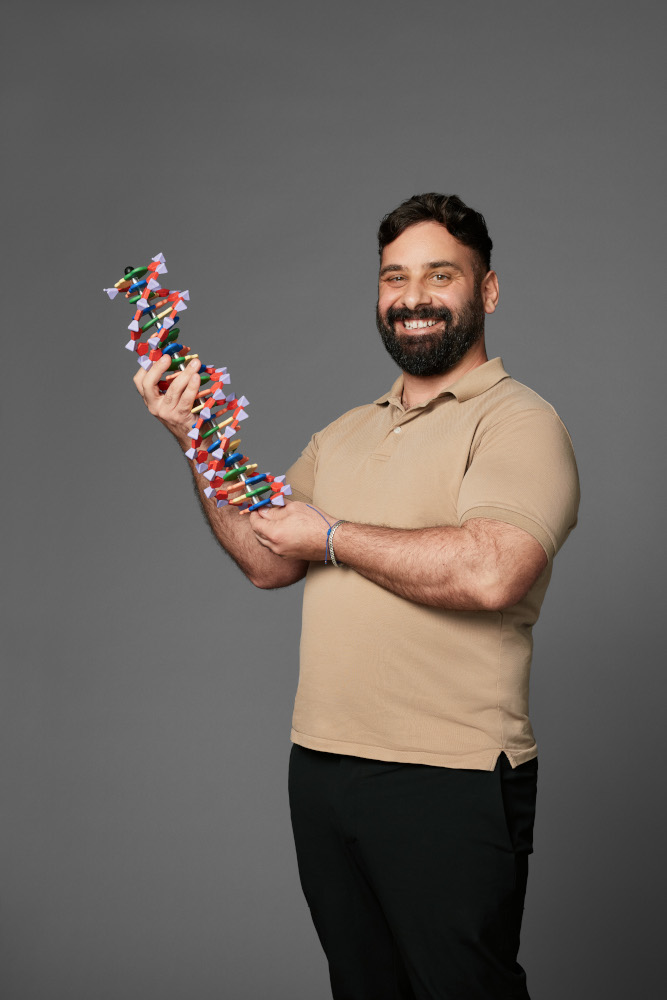
Fostering curiosity and confidence through science and support
With a background in biomedical research, Sezer brings curiosity, kindness, and creativity into the classroom. Sezer sees teaching as a space for experimentation and connection, and empowers students to explore boldly, embrace mistakes, and build the confidence to shape their own futures.
What does ‘being a changemaker’ mean to you personally?
Being a changemaker means turning ideas into action. Teachers are full of ideas; that’s what keeps classrooms creative and students inspired. I see the classroom as a lab where I experiment, spark curiosity, and build connections.
It’s also about staying curious and open, keeping joy in the work while taking responsibility for improvement. New ideas from students or colleagues shape how I teach. It’s a constant evolution, driven by curiosity that keeps me searching for the next great idea.
What would surprise your younger self most about what you do now?
My younger self would be proud of how I’ve used my science background to inspire curiosity in others. They’d be surprised by how far I’ve stepped beyond science – completing a CELTA course, becoming a teacher developer, presenting at conferences, and contributing to professional development. These experiences have expanded my skills and deepened my appreciation for lifelong learning and collaboration.
I hope my students leave with a genuine sense of curiosity and wonder for science. It’s not just a subject, it’s a way of seeing the world’s complexity and beauty.”
What are you doing differently in your field that you believe is driving real change?
Sharing ideas and staying engaged in conversations about teaching and technology has become central to how I grow and drive change. I connect with colleagues across disciplines – STEM, non-STEM, and professional staff – and continue these discussions beyond the College. These conversations challenge my thinking and inspire new approaches in my own teaching. I’ve found that openness and enthusiasm are contagious, encouraging others to explore and grow alongside me.
Was there a turning point that brought you to becoming an educator, or did you always know you'd end up here?
I didn’t always know I’d end up in education, but there was definitely a turning point. While working in medical research and completing mental health training, I became a part-time facilitator for youth mental health support groups. That experience showed me the impact of guidance and support, and made me want to create lasting change through education.
That’s when I knew I wanted to teach.
How would you explain your role to someone who’s unfamiliar with pathways education?
I'd describe pathways education as a bridge between two parts of a student's educational journey. It is a place where a student can fully bring themselves and their prior knowledge. A place where they can freely make mistakes, improve their communication skills, make friends and feel confident in stepping into the world of tertiary education.
What do you hope your students take away from their time with you? Is there a student moment you’ll never forget, and why?
I hope my students leave with a genuine sense of curiosity and wonder for science; it’s not just a subject, it’s a way of seeing the world’s complexity and beauty.
One unforgettable moment was when a student passionate about architecture took my biology class and began seeing connections between design and cellular structure. They had never enjoyed science before, but their curiosity grew each week. By the end, they shifted their study path towards biomedical engineering. Seeing that spark of discovery and how it reshaped their path was an incredible reminder of why I love teaching.
What does being a teacher allow you to do that nothing else can? Was there a moment you realised that your work as an educator goes beyond what happens in the classroom?
Teaching allows me to make a lasting impact. It’s a privilege to help students discover their potential and build confidence.
As a science teacher, I aim to equip students with the tools to question, think critically, and stay curious long after they leave the College. My goal is to help them develop not just knowledge, but a way of thinking that empowers them beyond the classroom.
There’s no single moment, but I often hear from former students who share how something I said or taught has stayed with them. Often, these are things that seemed small or routine to me at the time, but for them, they became meaningful turning points or moments of learning that have continued to shape their lives.
What legacy or ripple effect do you hope to leave behind?
I hope my legacy is one of kindness and wonder. I genuinely believe that we support and transform students who ultimately will go on to be the leaders within the fields of medicine, science and beyond. Our students are brave and inspiring and I hope that what they find in my classroom and through my teaching empowers them to first shape their own communities and then the ever-changing world.
What’s the biggest myth about pathways education you wish more people would rethink?
The biggest myth is that the journey to university is easy. Our students are incredibly brave: many face personal challenges, adapt to new cultures and languages, and strive academically, often all at once.
Their success is hard-earned and deserves deep respect. Every achievement reflects resilience and determination. For such a young group of individuals, what they accomplish is remarkable, and it’s a privilege to support them on that journey.