Addressing risks

A suite of methods is used to delve into high-risk areas, including, but not limited to:

  • ‘deep-dive’-type analyses
  • bespoke supplier assessments
  • engagement of third-party consultants or agents who specialise in industry best-practice, to provide reports which may include them undertaking them onshore or offshore site visits or staff discussions, as required
  • tabling concerns through the Modern Slavery Steering Committee governance structure for guidance on targeted actions and effectiveness measures.

Current areas of spend that have been identified as high risk include apparel, fish, rice, cocoa, electronics, cleaning & hospitality services and conflict minerals used in electronics. The measures taken to manage known and potential risks in these areas are identified below.
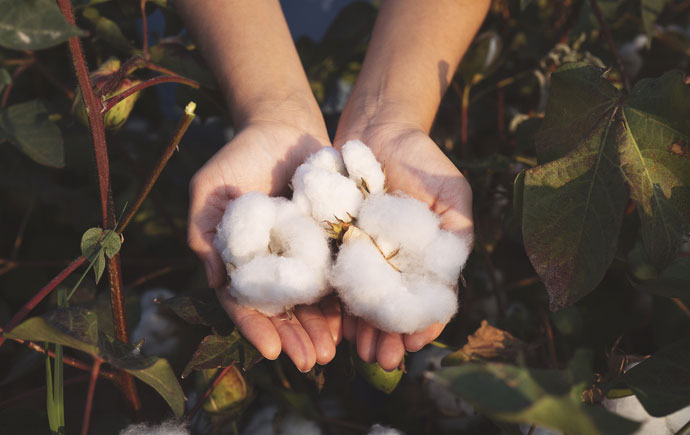
Raw cotton in handsGarments and apparel

We request information from suppliers to identify those that may not be in compliance with their legal obligations such as the Fair Work Act 2009, and encourages suppliers and/or their supply chain to comply with industry codes such as Ethical Clothing Australia, Better Cotton Initiative and Fairtrade.

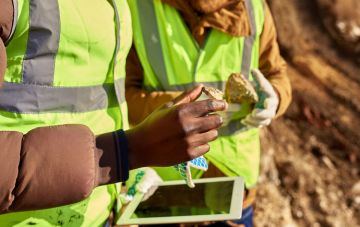
Hands holding mineral rockComputers and electronic equipment – including related conflict minerals

We have engaged one of our key computer suppliers, and review its approach addressing risks of modern slavery in its supply chain. The supplier was found to be well-advanced in this area.

The supplier has a clear and well-known zero-tolerance approach to modern slavery in its supply chain and is a founding member of the Responsible Business Alliance, a leading global alliance aimed at improved corporate social responsibility within a supply chain.

The supplier publishes a Conflict Minerals Report detailing its efforts to purchase processed goods from non-conflict sources, as it has a heavy dependence on third-party manufactured components made from refined, mined minerals.

Though satisfied with the actions of our primary supplier, we understand from our research the computer equipment industry is inherently high-risk, particularly at the raw material extraction and assembly stages.

In 2022, we commenced an affiliation with an international labour rights monitoring organisation, Electronics Watch, to delve deep into the supply chain of the key computer equipment we purchase. The affiliation will increase supply chain transparency across our key products and strengthens our efforts to influence change.

Latex glovesGlove manufacturing

Monash University, in conjunction with the Australian University Procurement Network (AUPN), identified an instance of modern slavery within its supply chain for latex gloves. The following actions were identified as likely being implemented by a recruiting company that was a third party providing labour supply services to an offshore subcontractor to a Monash supplier:

  • Deceptive recruiting practices
  • High recruitment fees
  • Passport withholding
  • Forced salary deductions
  • Forced overtime
  • Substandard living conditions.

The subcontractor took steps to provide financial reparation to the affected migrant unskilled workers and to ensure passports were accessible, and also terminated use of the recruiting company. In addition, Monash’s direct supplier ceased utilising the subcontractor in question.

The outcome of this globally significant issue continues to be monitored as it progresses and has been the subject of global media coverage. Sources monitored include the supplier’s published continuous improvement report.

The supplier’s due diligence of recruiting agencies has been improved including ensuring they comply with SEDEX Members Ethical Trade Audit (SMETA) or the Business Social Compliance Initiative (BSCI) Code of Conduct.

This supplier and the entire glove manufacturing industry continues to be monitored as a high-risk supply chain.

Cleaner cleaning floorCleaning services

In Australia, we engage our cleaning staff via well known third-party service providers that are only engaged after a robust tendering process. Terms and conditions are made binding via comprehensive formal agreements. Further subcontracting of the work is only permitted with the approval of Monash University.

Despite these measures, Monash has identified this to be a high risk. Though there is no evidence to indicate any issues, as part of its ongoing modern slavery program of work, we will undertake a deeper assessment of this area due to the inherent risk in the wider cleaning industry. To step up our effort, we will introduce modern slavery due dilligence measures in our cleaning tenders. We are also reviewing the participation in the Cleaning Accountability Framework.