In 2024 Monash University researchers produced 75 publications related to SDG 14, with a mean Field-Weighted Citation Impact (FWCI) of 2.35.
What is Field-Weighted Citation Impact?
Field-Weighted Citation Impact (FWCI) refers to the ratio of the actual number of citations received by a research output and the total citations expected based on the average of the subject field. An FWCI value of 1 may be interpreted as having ‘world average impact’. Thus, a publication with an FWCI of more than 1 indicates higher than expected citations based on the global average for similar publications. As FWCI reflects citations received to date, a publication’s FWCI value may fluctuate over time.
Monash University research promotes the conservation of marine ecosystems and their role in climate change mitigation:
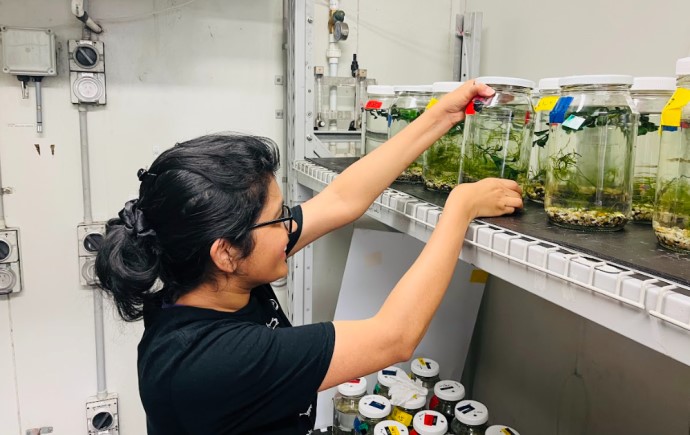
An international study led by Dr Upama Aich from the Monash University School of Biological Sciences and Assistant Professor Giovanni Polverino from the University of Tuscia has revealed that long-term exposure to the antidepressant fluoxetine is altering fish behaviour, life history, and reproductive traits. The research, focusing on wild-caught guppies, highlights the profound effects of pharmaceutical pollutants on aquatic ecosystems.
The study found that fluoxetine exposure disrupted natural correlations between key traits, affecting fish populations' ability to adapt to environmental challenges, thus threatening their long-term survival.

These findings underscore the need for stricter regulations to protect aquatic life from pharmaceutical pollution.
Monash University researchers are supporting marine conservation and climate action by advancing the understanding of ocean temperatures and climate variability, as well as the factors causing coral bleaching:

Monash University researchers, including Jessica Macha, Dominic Saunderson, and Professor Andrew Mackintosh from Securing Antarctica’s Environmental Future, have conducted studies to understand the impact of regional climate drivers like the Southern Annular Mode (SAM) and El Niño on the Antarctic Ice Sheet. Their research, published in Geophysical Research Letters, highlights the importance of snow accumulation and surface melting in predicting future sea level rise.
The findings address knowledge gaps in current models and are crucial for understanding the contribution of the Antarctic Ice Sheet to global sea level rise, which is vital for coastal communities worldwide.
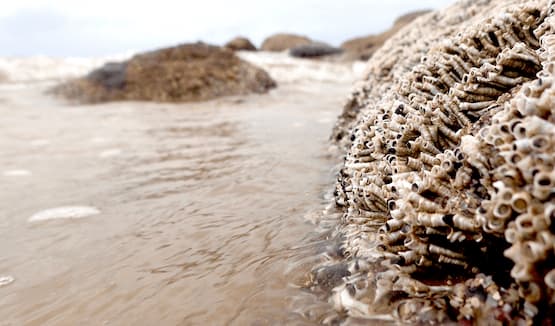
Monash University scientists from the Faculty of Science have conducted a study on how rising temperatures due to climate change affect reproductive interactions and species boundaries in marine tubeworms, specifically Galeolaria, in southern Australia. The research highlights the role of temperature in shaping reproductive isolation and the implications for species interactions and biodiversity.

The study emphasises the need for comprehensive assessments of reproductive barriers across diverse environments to predict species boundaries and guide conservation efforts.
In 2024, Monash offered 49 units directly related to SDG 14, with 7015 total enrolments.
Highlighted below are a few of the units at Monash related to Life below Water:
Professor Alan Reid offered practical approaches for educators to implement this year's World Oceans Day theme 'Catalyzing Action for Our Ocean & Climate,' enabling schools to engage students in marine conservation and environmental stewardship. Professor Reid articulated how ocean literacy can be effectively fostered through three interconnected domains: arts, science, and governance.
A curated collection of high-quality resources was provided to support classroom activities that not only increase students' understanding of marine ecosystems but also empower them to become active participants in ocean conservation efforts.

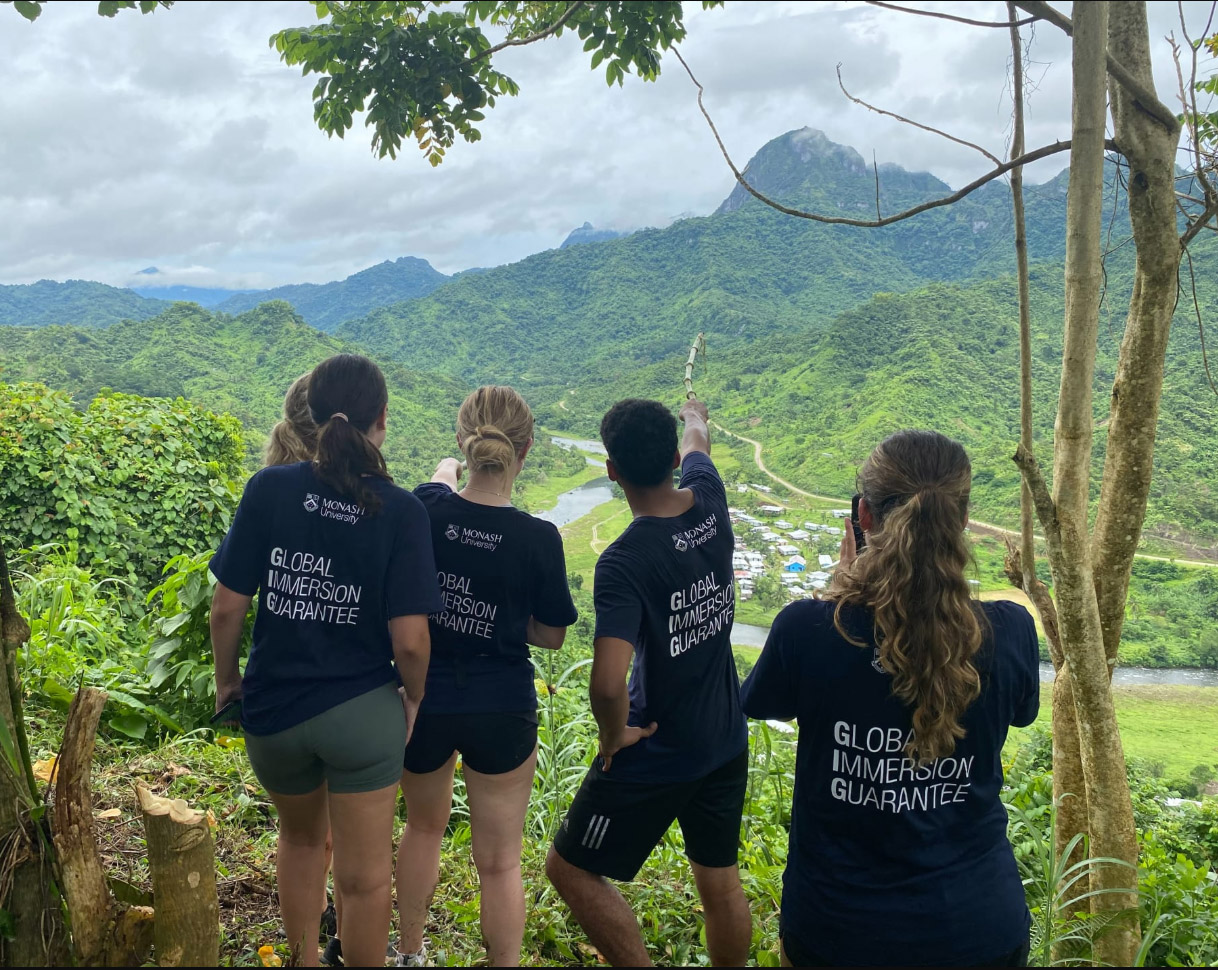
The Monash University Global Immersion Guarantee (GIG) program offers first-year students a transformative overseas study experience, focusing on climate change and cultural immersion in the Pacific Islands, particularly Fiji.

Students engage in field trips to learn about community-driven responses to environmental challenges, such as rising sea levels and coral reef sustainability.
The program fosters a deep understanding of traditional practices and sustainable tourism, instilling a sense of responsibility and passion for addressing global environmental issues.
The Climateworks Centre SEAFOAM project conducted research and engaged with stakeholders in Indonesia to identify three ways the country could enhance ocean-based climate action: improving blue ecosystem data availability, supporting blue carbon science, and creating an enabling environment for collaboration and blue investment. These efforts are crucial as Indonesia, the world's largest archipelagic country, includes marine and coastal ecosystems in its second nationally determined contributions (SNDC) for the Paris Agreement.
The initiatives aim to address data gaps, enhance blue carbon knowledge, and foster public-private partnerships to support sustainable blue economy sectors, contributing to Indonesia's long-term economic transformation strategy.
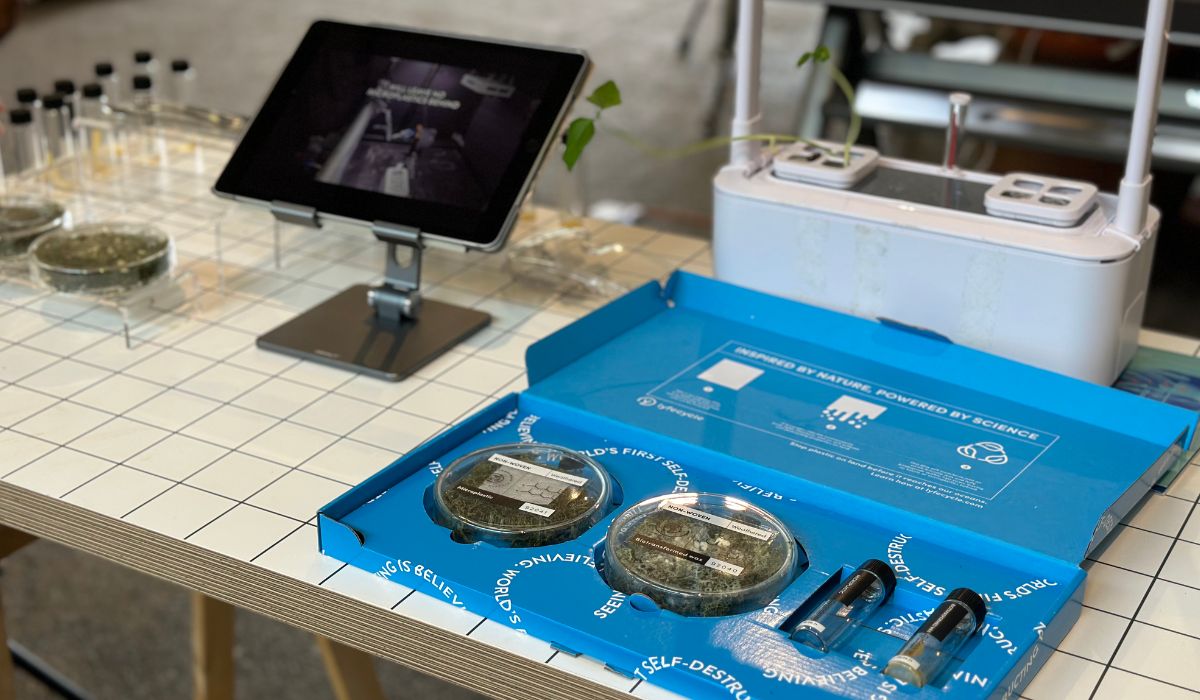
Monash University Malaysia has launched the 'Taste the Change' initiative to phase out single-use plastics on campus, introducing self-destructing plastic straws and utensils using Lyfecycle technology from Polymateria.
This initiative aims to address Malaysia's significant plastic waste problem and ocean pollution, positioning the university as a leader in sustainability and environmental responsibility.
The launch event, attended by sustainability advocate Melissa Tan, highlighted the importance of educating future generations and showcased the innovative technology to students and staff.

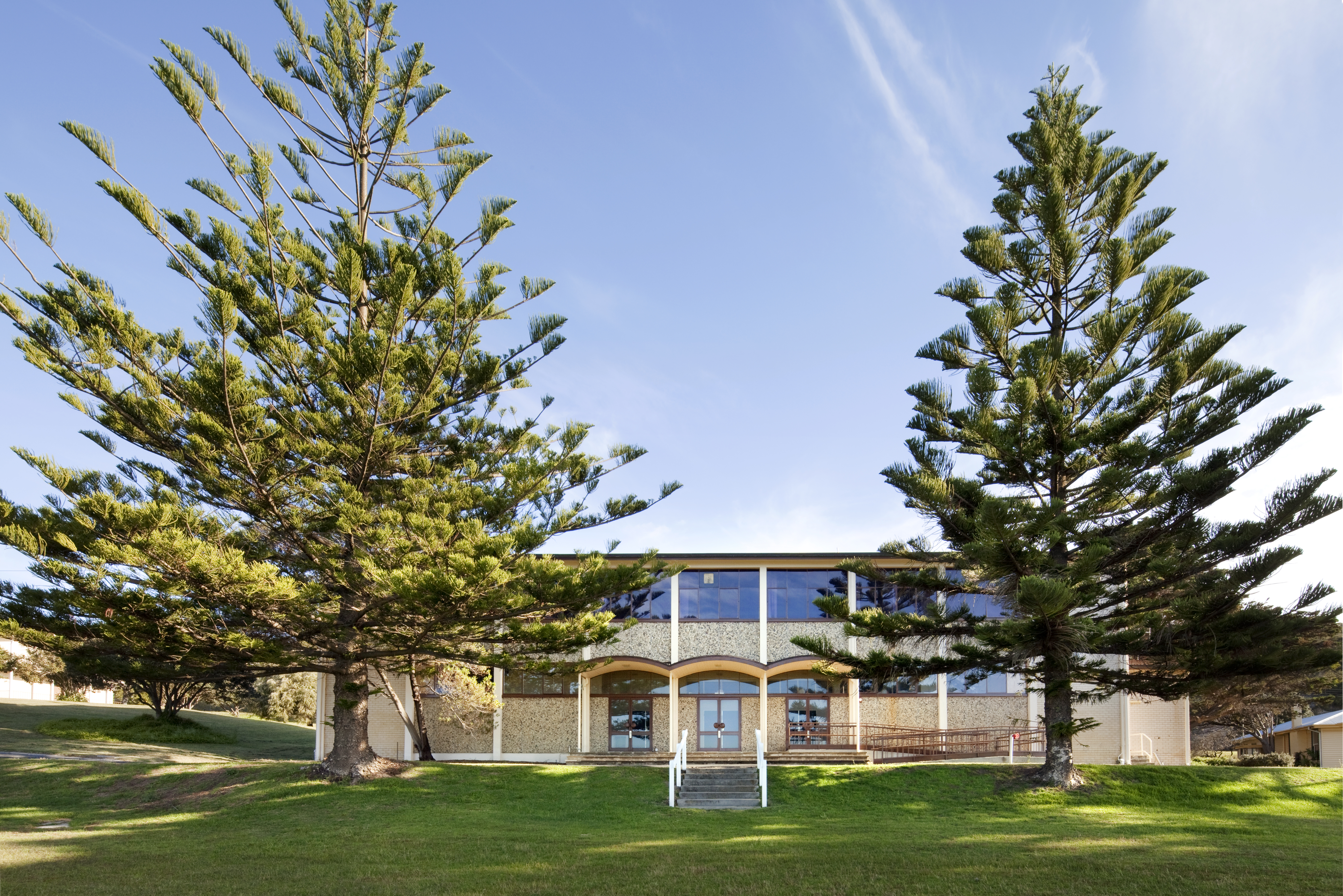
Monash University, in partnership with the University of Melbourne, is developing the Point Nepean Research and Education Field Station within the Point Nepean National Park. This interdisciplinary facility will house the National Centre for Coasts, Environment and Climate, focusing on research areas such as coastal erosion, marine ecosystem preservation, pollution control, and biodiversity conservation.

The project aims to enhance fieldwork and community engagement, with the facility expected to be operational by 2027.