Antidepressant pollution is rewiring fish behaviour and reproduction
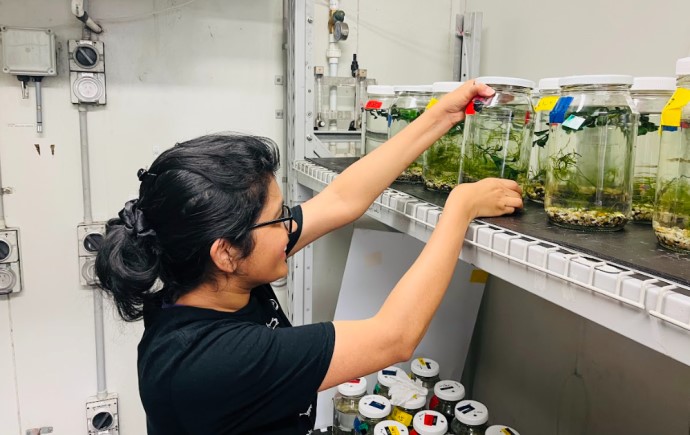
An international study led by Dr Upama Aich from the Monash University School of Biological Sciences and Assistant Professor Giovanni Polverino from the University of Tuscia has revealed that long-term exposure to the antidepressant fluoxetine is altering fish behaviour, life history, and reproductive traits. The research, focusing on wild-caught guppies, highlights the profound effects of pharmaceutical pollutants on aquatic ecosystems.
The study found that fluoxetine exposure disrupted natural correlations between key traits, affecting fish populations' ability to adapt to environmental challenges, thus threatening their long-term survival.
These findings underscore the need for stricter regulations to protect aquatic life from pharmaceutical pollution.
Read the full article in Monash Science News
Related SDGs