In 2024 Monash University researchers produced 250 publications related to SDG 8, with a mean Field-Weighted Citation Impact (FWCI) of 2.53.
What is Field-Weighted Citation Impact?
Field-Weighted Citation Impact (FWCI) refers to the ratio of the actual number of citations received by a research output and the total citations expected based on the average of the subject field. An FWCI value of 1 may be interpreted as having ‘world average impact’. Thus, a publication with an FWCI of more than 1 indicates higher than expected citations based on the global average for similar publications. As FWCI reflects citations received to date, a publication’s FWCI value may fluctuate over time.
Safety at work is the focus of a number of Monash University researchers:
Tyrell Siew's PhD research focuses on improving the safety of food delivery riders in the gig economy by designing safer e-bikes, supported by the Brian M. Davis Industrial Design Scholarship.
Researchers have developed a blood-based biomarker to detect sleep deprivation, improving safety in critical situations.
A study led by Professor Karen Walker-Bone identified increased autoimmune disease risks among artificial stone benchtop industry workers due to silica dust exposure.
Research highlights the risk of same-level workplace falls among older female employees, emphasising the need for improved prevention strategies.
Monash University researchers have conducted significant studies to improve occupational health and safety, focusing on the health impacts of bushfires on first responders and the challenges faced by night shift workers:
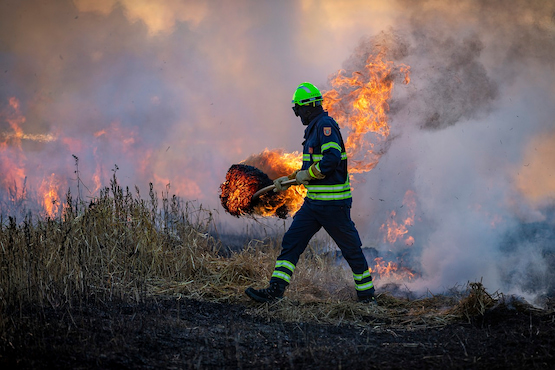
A study led by Associate Professor Janneke Berecki-Gisolf and Professor Karen Walker-Bone from the Monash Centre for Occupational and Environmental Health analysed compensation claims from emergency responders during major bushfires, highlighting the need for health surveillance and mental health support.

A review by the Department of Nutrition, Dietetics and Food identified barriers for night shift workers in managing weight and metabolic health, calling for targeted interventions to improve their health.
International research involving Monash University, specifically Professor Tracey Danaher from the Monash Business School Department of Marketing, has demonstrated that businesses can achieve financial success by integrating social profit orientation into their core mission. This approach involves addressing critical global issues such as climate change, poverty, and healthcare, thereby fostering societal well-being alongside generating profit.
The study, published in the Journal of Marketing, highlights that organisations with a social profit orientation benefit from enhanced reputation, trust, and stakeholder relationships, which positively impact financial performance.
The research includes examples like the Children's Cancer Institute's ZERO Childhood Cancer precision medicine program, which aims to provide personalised treatment options for children with cancer in Australia.

Monash Business School’s Australian Consumer and Retail Studies (ACRS) conducted annual seasonal retail research, revealing that almost two-thirds of Australian shoppers plan to make purchases during end-of-year sales events in November and December. The research highlights the growing popularity of Black Friday, which has surpassed Boxing Day as Australia's top sales event. The study also notes the impact of cost-of-living pressures and inflation on shopping behavior, with many Australians seeking bargains during these sales events.
The research provides insights into consumer sentiment, spending patterns, and preferred shopping channels, emphasising the significance of these trends in the context of economic growth and consumer behavior.
Professor Herman Tse and his research team from the Monash University Business School conducted a study on the psychosocial risks associated with the use of collaborative robots (cobots) in the workplace. The study highlights the potential mental health risks and job insecurity faced by workers due to the increasing use of cobots. It emphasises the importance of worker engagement and consultation in the implementation process to mitigate these risks.

The research suggests that involving employees in planning and decision-making can reduce psychosocial hazards and improve acceptance of new technologies.
Associate Professor Paul Thambar from Monash Business School conducted a study exploring the role expectations, conflicts, and ambiguities faced by Chief Financial Officers (CFOs) in various industries. The research highlights the challenges CFOs encounter in balancing controllership and business partnering roles, managing budgets, and building trust within organisations. The study also addresses the ambiguous expectations related to digital transformation and leadership, suggesting that CFOs are seen as dynamic leaders who can help organisations navigate strategic challenges.

The study was funded by the American Institute of CPAs and The Chartered Institute of Management Accountants.