
Training the next Generation of AMR Researchers
Antimicrobial Resistance
Microbes are evolving and adapting to become resistant to antimicrobial drugs. The World Health Organization (WHO) declared antimicrobial resistance (AMR) one of the top global public health threats, with more than 10 million deaths a year predicted by 2050.
Training the Next Generation of AMR Researchers
To tackle AMR, the Alliance is training a future-ready workforce that can drive the next wave of scientific discoveries and their translation into clinical settings. Current research and training programmes do not sufficiently develop an interdisciplinary skill set that links with industry and clinicians.
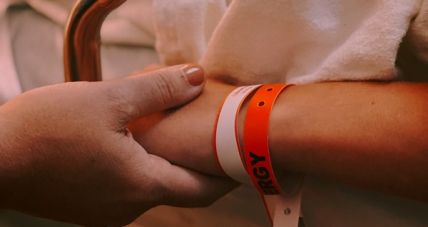
Combining capabilities
The Monash Warwick Alliance has unparalleled combined capabilities in infection biology, microbiology, chemical, structural and synthetic biology, synthetic chemistry and engineering. In 2022, it launched its AMR Training Program in Emerging Superbug Threats to develop the next generation of interdisciplinary researchers. Coupled with access to clinicians, translational partners, and outstanding technology and research platforms, the Alliance is developing researchers with “out-of-the-box” thinking to tackle AMR effectively.
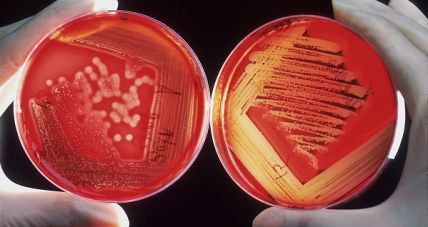
Outstanding Postdoctoral Fellows
Led by Professor Greg Challis, Monash Warwick Alliance Professor of Sustainable Chemistry (Chemical and Synthetic Biology) in the Department of Chemistry at Warwick and the Department of Biochemistry and Molecular Biology at Monash, and Professor Ana Traven, an Australian Research Council Future Fellow and Head of the Infection Research Program at the Monash Biomedicine Discovery Institute, the programme has attracted six outstanding postdoctoral fellows (three at Monash and three at Warwick). Philanthropic funding at the University of Warwick and a grant awarded through the Australian Research Council funded a second intake of fellows.

Therapeutic Interventions
Our Fellows are guided by a team of experts from diverse disciplines across Science, Medicine and Engineering. They will develop expertise in critical areas of AMR research, including antibiotic and antifungal discovery and development, identification of novel targets for therapeutic intervention, action of infection models, clinical application and translation. The Fellows are working in a highly collaborative international environment. They will have opportunities to participate in established AMR training programs (such as the International Course on Antibiotics and Resistance) and undertake career development opportunities to develop translational skills (such as innovation to commercialisation of university research).
Progress and Publications
This interdisciplinary research team is taking significant steps in the fight against antimicrobial resistance. Professor Challis's laboratory has isolated several antibiotic compounds that bacteria make to compete against other microbes in their natural environment. Professor Traven's lab focuses on deadly human fungal pathogens from Candida species, which cause life-threatening infections for vulnerable patients. One of the isolated bacteria-made compounds has demonstrated some promising activities against Candida. The research is now focused on understanding the mechanism of action and how this new knowledge could inform better treatments for serious fungal infections.
Principal Investigators
Professor Greg Challis
Department of Chemistry and Warwick Antimicrobial Interdisciplinary Centre, University of Warwick (WAMIC) Department of Biochemistry and Molecular Biology and ARC Centre of Excellence for Innovations in Peptide and Protein Science, Biomedicine Discovery Institute, Monash University
Professor Ana Travens
Monash Biomedicine Discovery Institute, Traven Lab, Centre to Impact Antimicrobial Resistance, Monash University