Air quality
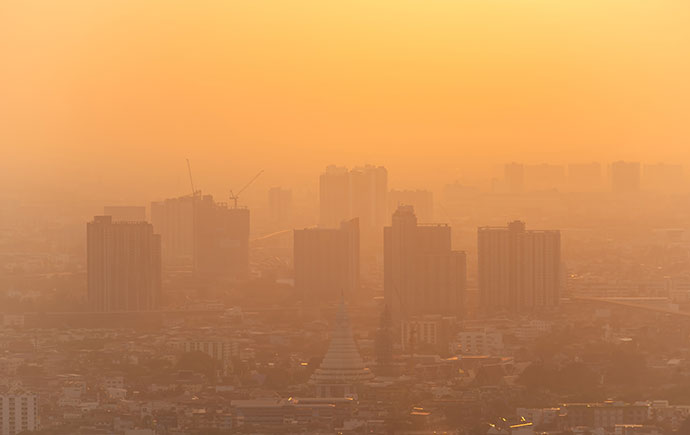 Air pollution remains one of the most pervasive and critical environmental threats to global public health, and is heavily amplified by a warming planet.
As climate change accelerates, shifting weather patterns, rising temperatures, and escalating extreme weather events actively change the air we breathe. Higher ambient temperatures accelerate the chemical reactions that form harmful ground-level ozone (smog). Severe droughts fuel intense bushfire seasons, exposing people to toxic levels of fine particulate matter.
Our research bridges the gap between environmental exposure and clinical human outcomes. Air pollution involves fine and ultrafine particles which penetrate deep into the respiratory system, cross into the bloodstream, and trigger systemic inflammation, oxidative stress, and vascular damage. Our ongoing work focuses on uncovering and quantifying how these exposures translate into acute and chronic health burdens across the human lifespan, including:
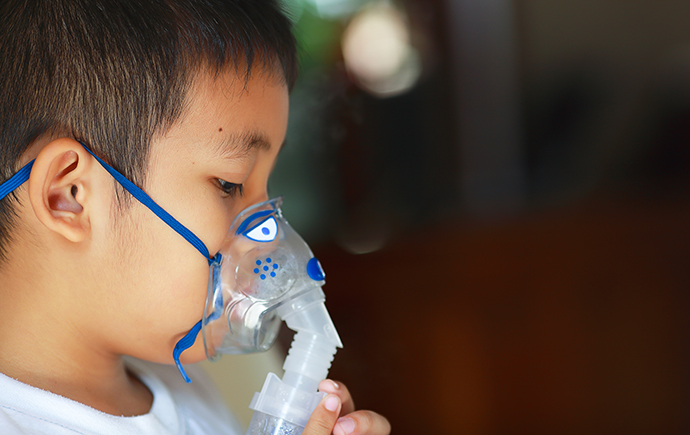
- Respiratory and cardiovascular disease – Assessing the immediate and long-term increases in hospitalisations, heart attacks, and asthma exacerbations driven by spikes in ambient pollution and bushfire smoke.
- Maternal and early childhood health – Investigating the critical windows of developmental vulnerability, specifically linking daily air pollution exposure to heightened risks of miscarriage and early childhood neurodevelopmental conditions, such as autism.
- Compounding climate hazards – Examining how the dangerous intersection of extreme heatwaves and poor air quality works synergistically to increase excess mortality burdens, particularly within highly vulnerable demographic groups.
Research leads and co-leads
- Professor Yuming Guo – Climate Air Quality Research; Health and Climate Initiative
- Professor Shandy Li – Climate Air Quality Research
- Dr Gongbo Chen – Climate Air Quality Research
- Dr Rongbin Xu – Climate Air Quality Research
- Professor Tin Tin Su – Monash Malaysia; Health and Climate Initiative