Sustainable and healthy communities
 Climate change is reshaping the places where we live, work and connect. Rising temperatures, more frequent extreme weather events, air pollution and changing environmental conditions are affecting the health, wellbeing and resilience of communities, while placing increasing pressure on crucial systems and infrastructure.
These pressures often compound existing social and health inequities, with children, pregnant women and mothers, older adults, culturally diverse communities and those experiencing socioeconomic disadvantage at greater risk of experiencing climate-related health impacts, often with fewer resources to adapt. The design of our neighbourhoods, towns and cities plays a critical role in determining how communities experience these impacts. Access to green space, active transport, healthy housing, social connections and essential services can influence both climate vulnerability and health outcomes.
Our researchers work with communities, governments and industry partners to understand how climate change is affecting people and places, and to identify practical implementation solutions that strengthen resilience, improve wellbeing and support more healthy and sustainable environments. Through research spanning transport, urban planning, co-design, data-science, community resilience, maternal and child health, and health equity, we are helping build healthier communities that are better prepared for a changing climate.
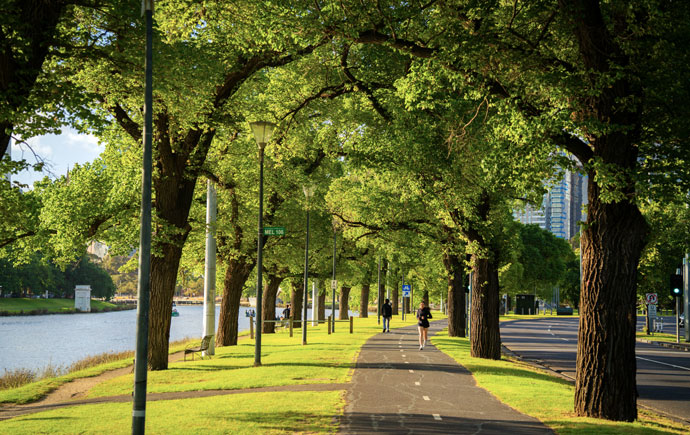
- Active and sustainable mobility – Working with communities, governments and industry to co-create and evaluate whole-of-system solutions that transform how people move; shifting towards active and sustainable transport to improve health, reduce emissions and build more liveable, connected communities.
- Climate resilience and disaster risk reduction – Strengthening capacity and resilience through evidence-based research, education and community engagement to support communities, governments and organisations to create stronger and more climate-resilient communities.
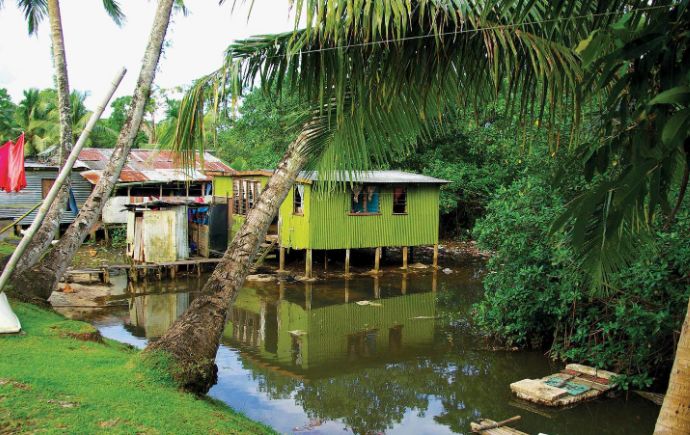
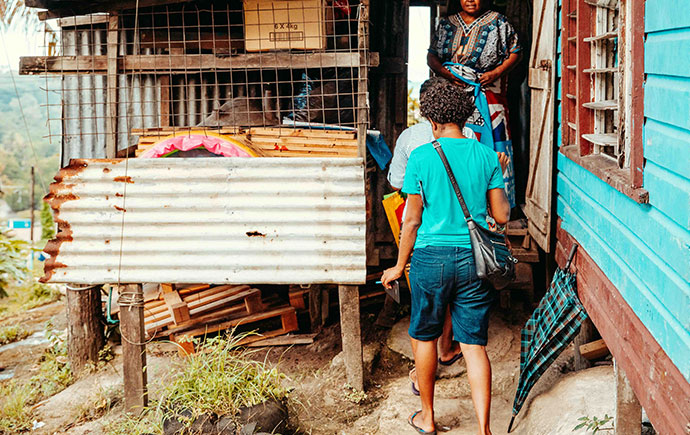
- Healthy and equitable environments – Investigating how the design of housing and public amenities shapes health and wellbeing, and co-designing solutions that reduce inequities and improve outcomes for the communities most exposed to a changing climate.
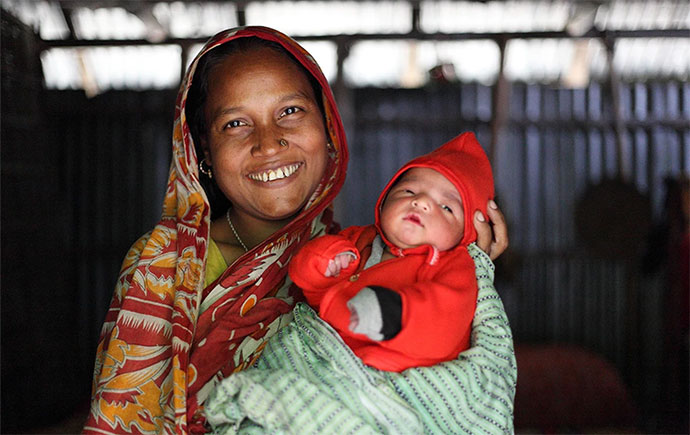
- Maternal and child health climate adaptation and resilience – Understanding how the systems surrounding families, from local health services to community networks to broader policy, shape climate vulnerability and adaptive capacity for mothers, infants and children, through the Maternal Child Health Climate Adaptation and Resilience Network (MCH CARE Network). This work spans community and household-level adaptation strategies, health service resilience, and equitable digital health and informatics solutions developed through CLARITY, ensuring the communities at greatest risk are supported by both stronger local systems and better data to track their needs.
Research leads and co-leads
- Professor Ben Beck – Healthy Active Cities; Health and Climate Initiative
- Professor Karin Leder – Health and Climate Initiative; Infectious Diseases Epidemiology; RISE
- Assistant Professor Gabriela Fernando – Health Equity, Monash Indonesia; Health and Climate Initiative
- Dr Toby Cumming – Health and Climate Initiative
- Dr Lauren Pearson – Healthy Active Cities
- Adjunct Associate Professor Jonathan Abrahams – Health and Climate Initiative
- Associate Professor Zerina Lokmic-Tomkins – Health and Climate Initiative; MCH CARE Network