Climate sensitive infectious disease
 Climate change is significantly altering the distribution and transmission of infectious diseases in Australia and globally. Rising temperatures, changing rainfall patterns and more frequent extreme weather events are creating favourable conditions for disease vectors and pathogens to thrive, increasing the risk of infectious disease emerging, spreading and establishing in new locations.
These changes have profound implications for human, animal and environmental health. Warmer temperatures and changing rainfall patterns contribute to the expansion of mosquito populations and are associated with rising dengue transmission across the Asia-Pacific region. Climate-driven environmental changes have also been linked to the emergence of Japanese encephalitis on the Australian mainland. At the same time, extreme weather events such as flooding can increase exposure to waterborne and other infectious diseases, with the greatest impacts often experienced by communities that are already vulnerable to health and social inequities.
Recognising the intrinsic link between human, animal and environmental health, our researchers use a One Health approach to better understand how climate change is shaping infectious disease risks and patterns of transmission. Through surveillance, modelling and interdisciplinary research, we are:
- Optimising the scale-up of effective dengue control strategies – understanding the interactions between local and macro drivers of arboviral disease epidemiology to inform the implementation and evaluation of targeted interventions, with a focus on the Asia-Pacific region.
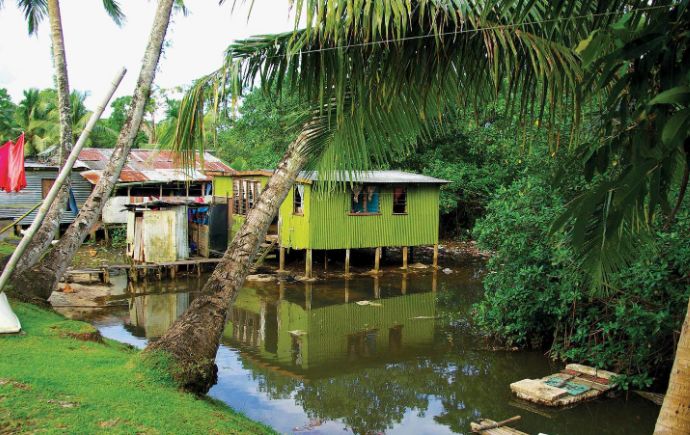
- Identifying exposure pathways in informal settlements by combining environmental microbiological data with detailed behavioural information to better understand how pathogens spread through urban environments and affect vulnerable communities.
- Strengthening infectious disease surveillance through multidisciplinary partnerships and integrating multi-source surveillance data to strengthen epidemiological intelligence and track the emergence of outbreaks.
Research leads and co-leads
- Professor Karin Leder – Health and Climate Initiative; Infectious Diseases Epidemiology; RISE
- Associate Professor Katie Anders – Health and Climate Initiative; Infectious Diseases Epidemiology
- Associate Professor Henry Surendra – Monash Indonesia; Health and Climate Initiative
- Dr Sarah McGuinness – Infectious Diseases Epidemiology
- Dr Rebekah Henry – OneWater; RISE