
Monash experts join $18.8M national effort to breach the blood-brain barrier in brain cancer fight
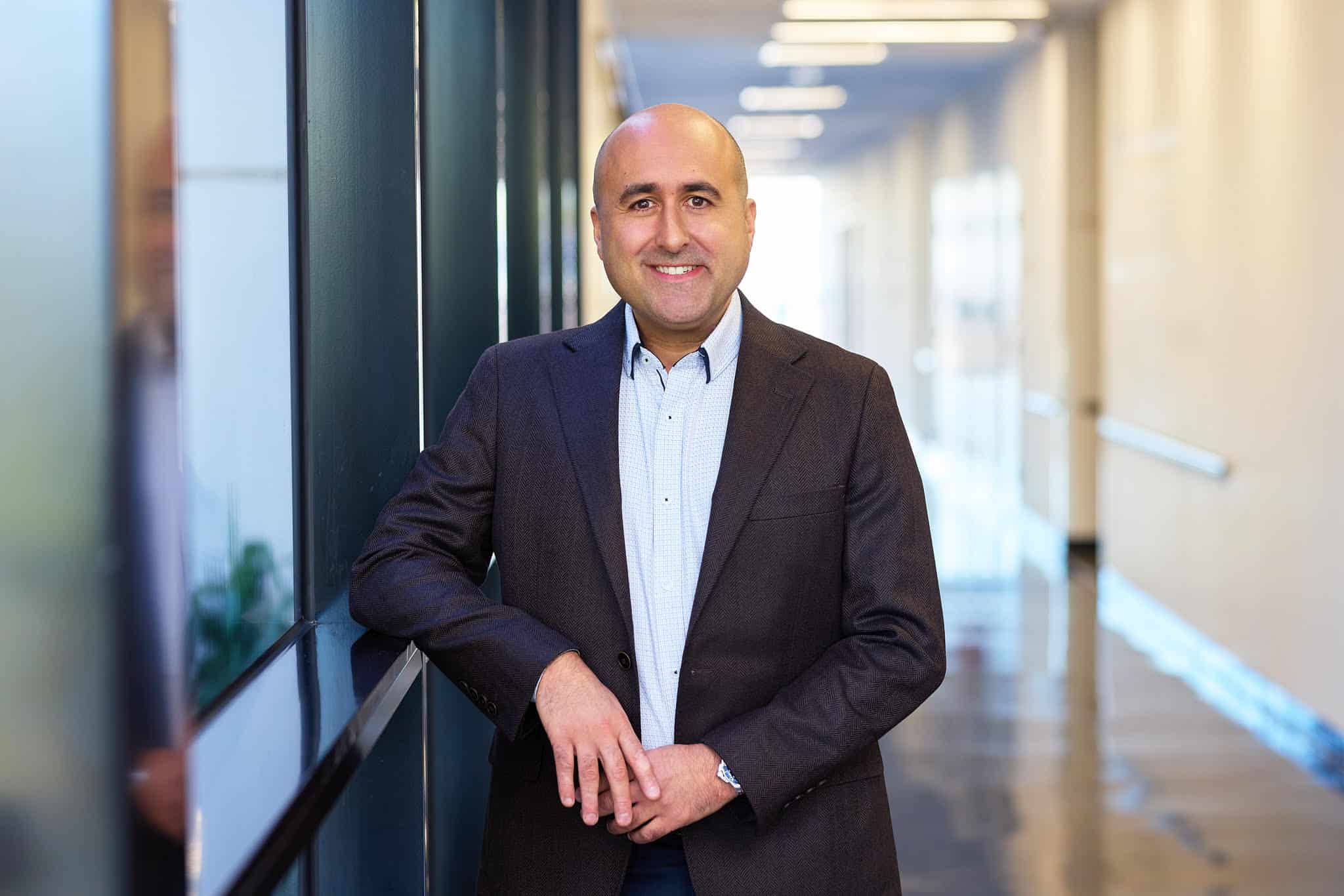
Professor Joseph Nicolazzo, the Director of the Centre for Drug Candidate Optimisation at the Monash Institute of Pharmaceutical Sciences.
Researchers from Monash University are joining an $18.8 million national project to develop a new generation of drugs capable of breaching the blood-brain barrier to treat deadly brain cancers.
Funded by the Medical Research Future Fund’s (MRFF) Frontier Health and Medical Research initiative, the collaboration will create an accelerated pathway to clinical trials for high-grade gliomas, including adult glioblastoma and paediatric diffuse midline glioma.
The program is a collaborative effort between WEHI, the Monash Institute of Pharmaceutical Sciences (MIPS), The Brain Cancer Centre, the Royal Melbourne Hospital, the Peter MacCallum Cancer Centre, the University of Queensland and the University of Technology Sydney.
The blood-brain barrier is a notoriously protective shield that prevents toxins and infections from entering the brain, but its strict selectivity also means it blocks almost all cancer drugs from reaching their target, keeping survival rates for brain cancer stagnant for decades.
To overcome the barrier, the research team will employ a strategy to sneak cancer-killing molecules into the brain by hijacking its natural nutrient delivery pathways.
Professor Joseph Nicolazzo, the Director of the Centre for Drug Candidate Optimisation at MIPS, said the blood-brain barrier has been the greatest hurdle in treating neurological conditions and brain tumours.
“For decades, we have seen promising therapies fail because they cannot physically reach the tumour site in sufficient quantities to be effective,” Professor Nicolazzo said.
“This project represents a true shift in neuro-oncology, moving away from trying to disrupt the barrier and instead working with the brain's own biology to ferry drugs across safely.”
The brain relies on a steady supply of nutrients, such as iron and glucose, and uses specialised docking stations to actively draw these essentials from the bloodstream.
The project will develop nanobody-drug conjugates – microscopic antibody fragments designed to deliver targeted therapies precisely while minimising harm to healthy tissue. By designing nanobodies that bind to the transferrin receptor, researchers will leverage the brain's natural iron transport system to smuggle the cancer drugs inside the brain.
The project marks the first time a research group will use this approach to deliver cancer therapies to the brain, providing a new opportunity to test existing drugs that have previously failed to cross the barrier.
Professor Nicolazzo said MIPS, backed by $1.8 million from the grant, will play a critical role in optimising these new drug candidates to make sure they’re stable and able to reach the brain in sufficient quantities.
“Developing a drug that can trick the blood-brain barrier into letting it inside is incredibly complex, requiring a massive collaborative effort across multiple disciplines,” he said.
“By bringing together Australia's leading medical research institutes, we are opening up an entirely new frontier in drug development that could finally offer hope to patients who currently have very few treatment options.”
The MRFF grant is complemented by funding from WEHI and support from Carrie’s Beanies 4 Brain Cancer Foundation, which established The Brain Cancer Centre in partnership with WEHI and provided the crucial seed funding to progress the research program.
RESEARCHERS
The research team at Monash is led by Professor Joseph Nicolazzo with his team within the newly established Academic Node of the Centre for Drug Candidate Optimisation (CDCO) Theme and supported by the CDCO Platform.
MEDIA ENQUIRIES
Philip Ritchie
Media and Communications Manager
P: +61 430 336 243
GENERAL MEDIA ENQUIRIES
Monash Media
P: +61 3 9903 4840
For more experts, news, opinion and analysis, visit Monash News.