Engagement
Close

 Indigenous Innovation Challenge
View
Indigenous Innovation Challenge
View

The National Indigenous Innovation Challenge, hosted by the Faculty of Information Technology, launched in 2023 to provide new opportunities for Indigenous organisations and community groups to pitch a challenge or idea for a chance to co-develop long-term solutions with experts from faculties across Monash with the help of seed funding. Participants in the program attend a full-day workshop to delve into their challenges and team up with researchers with relevant expertise in science, technology, engineering, law, business, medicine or public health.

Further relevant SDGs:



 Winning Innovations at ITEX 2023
View
Winning Innovations at ITEX 2023
View
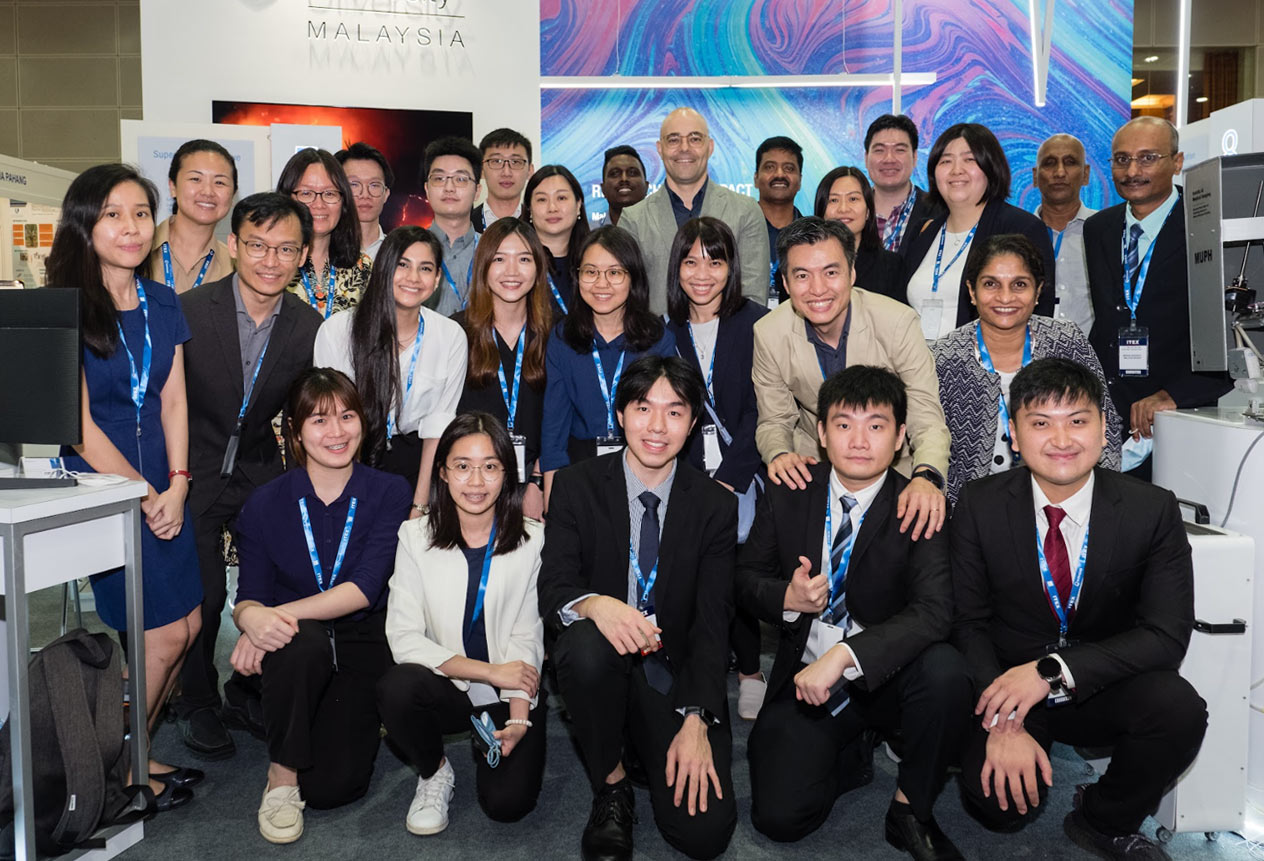
Eight Monash University Malaysia teams were recognised with either gold or silver commendations for their inventions at the 34th International Invention, Innovation & Technology Exhibition (ITEX) 2023. Jointly organised by the Malaysian Invention and Design Society (MINDS) and C.I.S Network Sdn Bhd (C.I.S), the event showcased nearly 500 inventions and celebrated collaboration between inventors and potential investors.
Further relevant SDGs:


 Launch of the Australian Railway Research and Innovation Network
View
Launch of the Australian Railway Research and Innovation Network
View
Monash is a key partner in the Australian Railway Research and Innovation Network (AusRRIN), a network of five Australian universities recognised individually for delivering excellence in railway research along with key railway industry and regulatory entities. AusRRIN partners will co-operate to identify and deliver critical railway research and innovation necessary for the future of Australia’s railways and the rail manufacturing sector.

Further relevant SDGs:

 Smart Pavements Australia Research Collaboration (SPARC)
View
Smart Pavements Australia Research Collaboration (SPARC)
View
Monash University leads the Smart Pavements Australia Research Collaboration (SPARC), aiming to make roads more resilient, cost-effective, and environmentally sustainable. The project involves advanced technologies like ground penetrating radar, intelligent compaction, and big data analytics. SPARC is a collaboration among eight Australian universities alongside 20 industry partners and seven international research centres.

Further relevant SDGs:
 Electralith Membrane-based Lithium Extraction System
View
Electralith Membrane-based Lithium Extraction System
View
Monash University startup ElectraLith is developing a membrane-based system to extract lithium from salt lakes, mine tailings and other brine solutions using small amounts of solar generated electricity and without added chemicals or water. Developed by research from the Department of Chemical and Biological Engineering, the technology aims to make lithium production for batteries cleaner, cheaper, and faster, contributing to sustainable practices in the critical mineral supply chain.

Further relevant SDGs:
 AI for Good Global Summit
View
AI for Good Global Summit
View
The Monash Data Futures Institute (MDFI) led a Monash contingent in the AI for Good Global Summit in Geneva, Switzerland, to showcase how artificial intelligence can support the SDGs. Hosted by the International Telecommunication Union (ITU) together with 40 partner UN agencies, the summit was an opportunity for Monash University to showcase its ongoing AI research, including applications in health impact of bushfires, public space robotics, and ecosystem conservation.
Further relevant SDGs:


 2023 International Techfest
View
2023 International Techfest
View
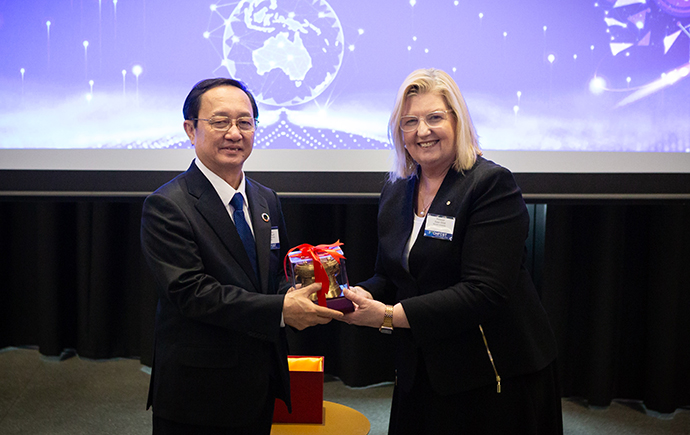
Monash University hosted the 2023 International TECHFEST in Vietnam, celebrating the 50th anniversary of diplomatic relations between Australia and Vietnam. The event showcased Vietnam's innovative startup ecosystem, featuring government leaders, experts, and startups from both countries. Monash’s involvement included promoting its research innovations and strengthening international collaborations, particularly through the joint scholarship program, Project 89, with the Vietnamese Government.
Further relevant SDGs:
 Monash Precinct Network
View
Monash Precinct Network
View
The Monash Precinct Network officially launched in March 2023 to accelerate the growth of the City of Monash as a global hub for research and enterprise. Led by Monash University, the Monash Precinct Network aims to enhance collaboration among businesses, educational institutions, and government, fostering innovation and creating job opportunities within the Monash Technology Precinct.

Further relevant SDGs: