Monash Report 2023 – Goal 3

Close

 2023 Publications Performance
View
2023 Publications Performance
View

Monash Research Outputs: 2,937
Mean Field Weighted Citation Impact (FWCI): 2.42
3 Year Rolling Mean FWCI: 2.35
 NHMRC Investigator Grants
View
NHMRC Investigator Grants
View
A total of 34 Monash research projects were awarded a combined total of more than $62.9 million in the National Health and Medical Research Council (NHMRC) Investigator Grants scheme in 2023.
Funding was awarded across a diverse range of faculties and disciplines, including 29 projects from the Faculty of Medicine, Nursing and Health Sciences, four from the Faculty of Pharmacy and Pharmaceutical Sciences and one from the Faculty of Science.
NHMRC Investigator Grants provide the highest performing researchers at all career stages with consolidated funding, specifically for research across the four pillars of health and medical research: biomedical, clinical, public health and health services research.
Further relevant SDGs:

 National Critical Research Infrastructure Funding
View
National Critical Research Infrastructure Funding
View
Monash was awarded more than $18 million under the Medical Research Future Fund’s (MRFF) National Critical Research Infrastructure program. The MRFF National Critical Research Infrastructure initiative aims to fund research infrastructure of critical importance which will be used to conduct world-class health and medical research in areas where medical needs have not yet been met. The funding was allocated for four Monash-led projects relating to:
Further relevant SDGs:

 mitoHOPE Program
View
mitoHOPE Program
View
A pilot program led by researchers in Medicine, Nursing and Health Sciences to support families with certain forms of mitochondrial disease was awarded $15 million in funding by the Medical Research Future Fund. The mitoHOPE (Healthy Outcomes Pilot and Evaluation) Program, the first of its kind in Australia and only the second in the world, aims to prevent mitochondrial disease in children by using donor mitochondrial DNA. The project is being undertaken in collaboration with Murdoch Children’s Research Institute and other research partners.
Further relevant SDGs:
 Challenges Facing Female Rural Surgeons
View
Challenges Facing Female Rural Surgeons
View
A study led by Monash Rural Health in Bendigo surveyed 36 female rural general surgeons in Australia, revealing insights into the demographics and challenges faced by this group. The study highlights the need for increased recruitment and flexible training options to better reflect gender proportions and accommodate life commitments.
Further relevant SDGs:


 Measuring Two Decades of Global Smoke Pollution
View
Measuring Two Decades of Global Smoke Pollution
View
School of Public Health and Preventive Medicine researchers led the world’s first study on the increase in pollution from landscape fires across the globe over the past two decades, revealing that over 2 billion people are exposed to at least one day of potentially health-impacting environmental hazards annually. The study, published in Nature, utilised advanced methodologies to estimate exposure to air pollution and ozone from fires and found that exposure levels in low-income countries were about four-fold higher than in high income countries, highlighting the need for improved air quality monitoring and interventions.
Further relevant SDGs:



 Health and Climate Initiative
View
Health and Climate Initiative
View
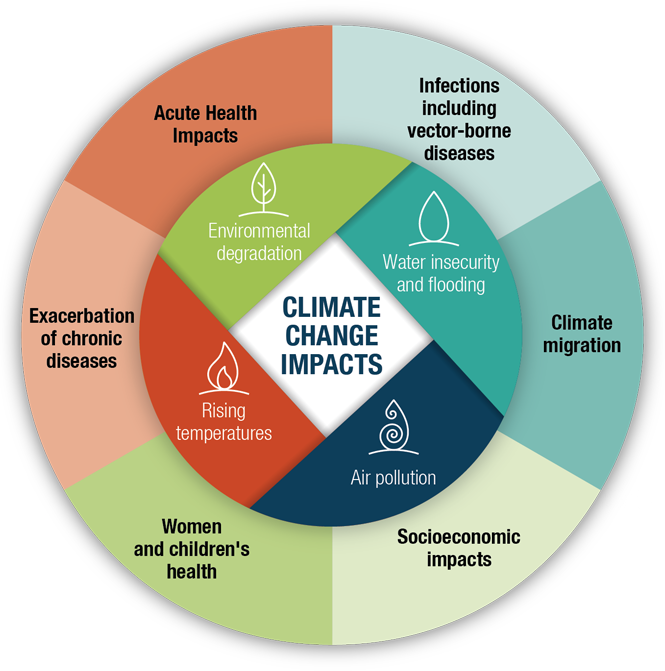
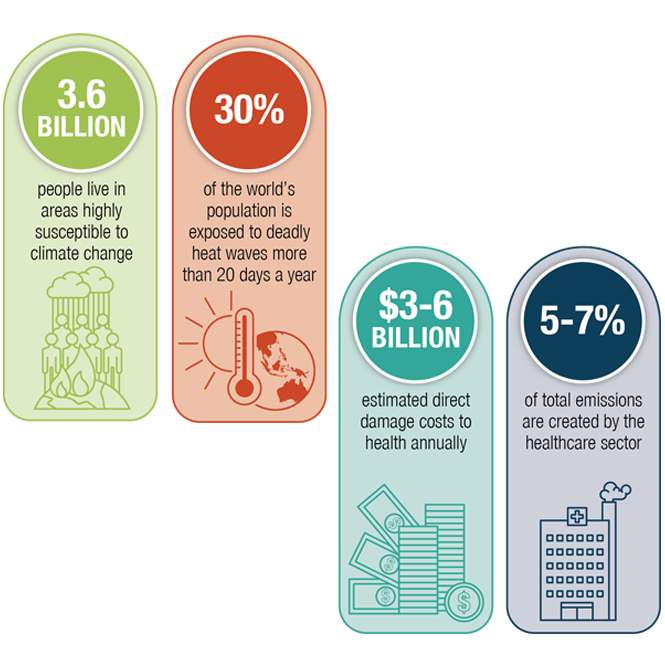
The Faculty of Medicine, Nursing and Health Sciences launched the Health and Climate Initiative, focusing on challenges at the intersection of health and climate change. The initiative leverages the faculty’s world-class capabilities in health and climate research and education to drive collaboration to reduce the impact of a changing climate on health and to address carbon-intensive healthcare systems.
Further relevant SDGs:
 Using Genetic Sequencing to Investigate Antibiotic Resistance
View
Using Genetic Sequencing to Investigate Antibiotic Resistance
View
Researchers from Alfred Health and Monash Central Clinical School conducted a study published in Nature Communications, using new genetic sequencing technology to understand and prevent the spread of antibiotic resistance in hospitals. The study focused on superbugs resistant to carbapenem antibiotics, identifying mechanisms of resistance spread and developing strategies for early detection and prevention.
Further relevant SDGs:
 MoU to Improve Public Health in Sarawak
View
MoU to Improve Public Health in Sarawak
View
Monash University Malaysia and the Sarawak Infectious Disease Centre signed a Memorandum of Understanding to collaborate on research and human capital development in communicable and non-communicable diseases in Malaysia. This partnership focuses on areas such as indigenous health, digital health, disease and environmental surveillance, and natural product development.
Further relevant SDGs:
 SoundSmiles App
View
SoundSmiles App
View
An app designed by Wadjak/Ballardong Noongar man and Faculty of Information Technology Associate Dean (Indigenous) Professor Christopher Lawrence to improve ear health and mental wellbeing among Indigenous children was awarded almost $1.5 million from Western Australia’s Future Health Research and Innovation Fund. The app, co-designed with local Aboriginal medical services, Curtin University and Ear Science Institute Australia, engages children through mobile technology to monitor and enhance their health and wellbeing.
Further relevant SDGs:
 Improving the Health and Wellbeing of Sexual and Gender-Minority People
View
Improving the Health and Wellbeing of Sexual and Gender-Minority People
View
Researchers in Monash University Malaysia’s Jeffrey Cheah School of Medicine and Health Sciences led a pilot trial to evaluate the effectiveness of a culturally adapted online Dialectical Behavior Therapy (DBT) skills group for sexual and gender minority adults dealing with stigma, discrimination, and marginalisation. This intervention aimed to address mental health issues by incorporating unique cultural stressors faced by LGBTIQ+ people and teaching mindfulness, emotion regulation, and distress tolerance skills.
Further relevant SDGs:
 HIV Prevention Challenges for International Migrants
View
HIV Prevention Challenges for International Migrants
View
School of Translational Medicine researchers contributed to a landmark global study that highlighted the challenges international migrants face in accessing HIV prevention measures like pre-exposure prophylaxis (PrEP) in Australia and overseas. The study, published in The Lancet Public Health, identified a variety of barriers to HIV prevention that included lack of awareness, cost, discrimination, and system navigation difficulties.
Further relevant SDGs:
 Unit Statistics and Highlights
View
Unit Statistics and Highlights
View
In 2023, Monash offered 143 units directly related to SDG3 with 11,906 total enrolments.
The units highlighted below are a small sample of the units at Monash relating to good health and well-being:
 Empowering NDIS Participants
View
Empowering NDIS Participants
View
Monash students in the Department of Occupational Therapy’s Participatory Community Practice program have been working to empower South Gippsland NDIS participants to engage with the Gippsland Southern Health Service (GSHS). The students developed a form for clients to fill out during the intake process, improving information exchange and enhancing therapeutic relationships. The project was handed over to GSHS’s allied health team and showcased at the Monash Peninsula campus.
Further relevant SDGs:
 Gukwonderuk Indigenous Engagement Unit
View
Gukwonderuk Indigenous Engagement Unit
View
The Gukwonderuk Indigenous engagement unit, Faculty of Medicine, Nursing and Health Sciences, has been instrumental to addressing inequity and improving growth in enrolments and success of Indigenous healthcare students. The program hosts a range of development and support initiatives, including professional networking events with industry partners and mentorship programs, and has also implemented a more equitable selection processes for Indigenous students, particularly in clinical psychology.
Further relevant SDGs:

Paramedic Practitioner Master’s Degree
View
The Victorian Department of Health selected Monash University as its preferred education provider for a new $20 million program to train Australia’s first paramedic practitioners. The Paramedic Practitioner Master's program, developed by the Department of Paramedicine with Ambulance Victoria and Safer Care Victoria, aims to ease pressure on healthcare services by training practitioners to assess, treat, and refer patients within the community. The initiative is expected to complement existing healthcare roles and strengthen community care.
Further relevant SDGs:
 Community-based Practice Program
View
Community-based Practice Program
View
The School of Rural Health has resumed a community-based practice program that places first-year medical students into Gippsland local community organisations, giving them the opportunity to learn how community care and services are provided for people experiencing disadvantage. Students participating in the program gain practical experience and learn about the social determinants of health. Over 20 local organisations hosted students this year, contributing to the program’s success and impact.

Further relevant SDGs:
 Monash Heart Hack
View
Monash Heart Hack
View
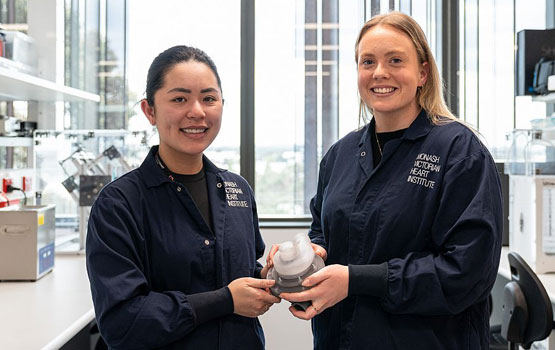
Monash Heart Hack, a multidisciplinary team of more than 30 Monash students, designed an artificial heart to compete in the Heart Hackathon biomedical engineering competition in Dallas, Texas. The Heart Hack team developed a modular total artificial heart design, adjustable for different patient body sizes, which uses magnetic levitation to eliminate mechanical wear and increase the device’s lifespan.
Further relevant SDGs:
 Opening of the Victorian Heart Hospital and Monash Victorian Heart Institute
View
Opening of the Victorian Heart Hospital and Monash Victorian Heart Institute
View
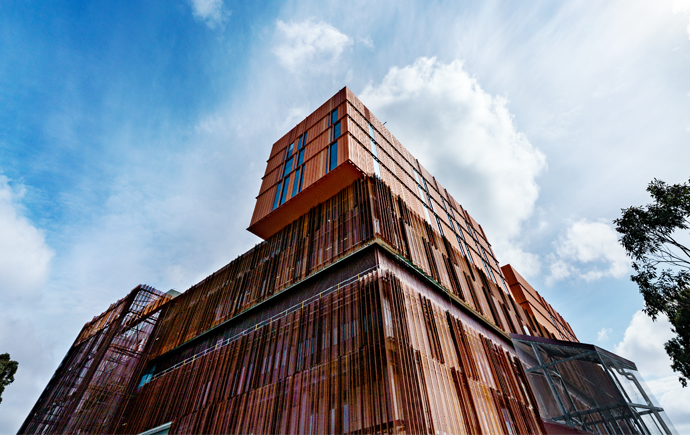
The Victorian Heart Hospital (VHH), the first hospital dedicated to heart health in the Southern Hemisphere, officially opened in February 2023. A $577 million joint initiative with the Victorian Government and Monash Health, the hospital will play a leading role in training Australia’s future cardiac care medicine, nursing and allied health professionals, with more than 300 undergraduate students, 260 postgraduate students and 20 PhD students undertaking training at the VHH, close to clinicians, practitioners and patients.
The VHH hosts the Monash Victorian Heart Institute (VHI) on a dedicated floor, bringing together world-leading cardiovascular experts, multidisciplinary researchers, students and entrepreneurs focused on taking discoveries, techniques and therapies out of the lab and into practice.
The VHH plays a significant role within the expanding Monash Technology Precinct, integrating clinical and scientific resources and expertise, accelerating the development of new devices and therapies, improving patient care and strengthening Victoria’s growing medical technology and pharmaceutical industries.
Further relevant SDGs:
World Health Summit Regional Meeting
View
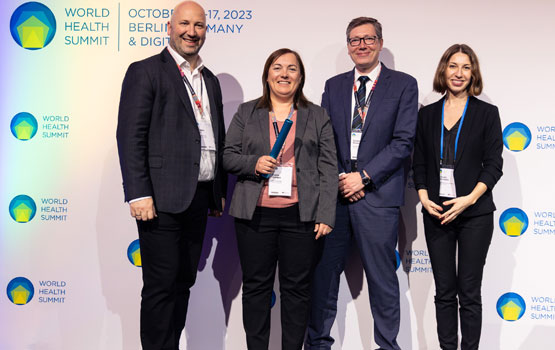
At the 2023 World Health Summit (WHS) event in Berlin in October 2023, Professor Christina Mitchell and Professor Sophia Zoungas, Faculty of Medicine, Nursing and Health Sciences, officially commenced their terms as the WHS International Co-Presidents. Their commencement coincided with the launch of the website for the 2024 World Health Summit Regional Meeting in Australia, which will be hosted by Monash – the first Australian university to be invited to do so. Monash’s transnational convening power will provide a platform for leaders across the region to come together on some of the biggest challenges in global health.
Further relevant SDGs:
 Monash University Clinical Trial Centre
View
Monash University Clinical Trial Centre
View
The Monash University Clinical Trial Centre (MUCTC) hosted its first in-person networking event, offering over 80 key stakeholders the opportunity to meet and be amongst the first to learn about the world-class capabilities, expertise and infrastructure available through the centre. The event was attended by diverse representatives across the clinical trials sector, including researchers, med-tech and pharmaceutical companies, research organisations and government bodies, including the Victorian Government Department of Job, Skills, Industry and Regions and Invest Victoria.

Further relevant SDGs:
 Senate Reproductive Healthcare Inquiry
View
Senate Reproductive Healthcare Inquiry
View
The SPHERE Coalition, chaired by Monash University’s SPHERE Centre of Research Excellence, issued a call for action in response to findings from the Senate Community Affairs References Committee’s inquiry into universal access to reproductive healthcare. The coalition, comprising over 150 experts and stakeholders, outlined a series of actions to ensure the Committee’s recommendations were implemented, including harmonising abortion legislation, providing free contraception and abortion care, and enhancing healthcare training and public education.
Further relevant SDGs:
Partnership for Global Impact Network
View
An international collaboration led by the Monash Centre for Health Research and Implementation (MCHRI) and the Monash-hosted Centre for Research Excellence in Women’s Health in Reproductive Life (CRE WHiRL), received the Excellence in International Engagement award at the 2023 Engagement Australia Excellence Awards for its work to improve treatment of polycystic ovary syndrome (PCOS). The Partnership for Global Impact network developed evidence-based guidelines for PCOS that have been accessed in 195 countries and used by over 45,000 people worldwide.
Further relevant SDGs:
 University Health Services
View
University Health Services
View
Throughout 2023 University Health Services (UHS) continued to meet the health needs of the University community by building service capability and introducing new clinical and allied health services. Community connection initiatives included training opportunities with the LGBTIQA+ community and the Hidden Disabilities Sunflower program. UHS actively engaged with student clubs and associations to promote services, and developed a new patient experience survey.
UHS engaged with researchers, research projects and partners in 2023, including the School of Public Health and Preventive Medicine, and welcomed fourth-year medical students, nursing students and Master’s of Nutrition and Dietetics students for health-related placement experience.
UHS successfully obtained three Strengthening Medicare grants for each campus in Australia, allocating the funds to improving equipment and service delivery.

 Counselling and Psychological Services
View
Counselling and Psychological Services
View
Nearly 18,000 appointments for counselling services were made to support approximately 6000 Monash students and staff in 2023. Counselling and mental health programs were provided at all Australian campuses, Monash Law Chambers and through Monash University Malaysia’s internal counselling service. A counsellor was placed in Monash Prato to support the Monash Abroad program. Telehealth appointments were provided to students offshore.
The mental health literacy programs offered by the Counselling and Psychological Services team strengthened the University community’s capacity to identify individuals with emerging mental health issues and helped promote early professional interventions. A total of 1047 students and staff were trained in courses including Mental Health First Aid and its refresher course, safeTALK and Understanding Mental Health.
Campus Wellbeing Programs
View
Monash hosted more than 40 events for its 2023 wellbeing program, drawing a total attendance of more than 6500 participants. Major programs included:
The first health and wellbeing expo, Wellbeing: Innovate + Educate + Inspire, held in September 2023, attracted more than 550 participants. The expo featured a series of keynote speakers and presentations to inspire staff and students to care for themselves, each other and the environment through the lens of the five pillars of the Health and Wellbeing Strategic Action Plan.

 Monash Sport
View
Monash Sport
View
Monash Sport programs, services, events and facilities attracted more than 1.2 million visits in 2023, a 24 per cent increase on the previous year. Student membership uptake continued to grow with more than 7800 active members across the Caulfield, Clayton and Peninsula campuses, and more than 5000 students participated in social sport competitions. In addition, fitness and wellness activations energised the campus with events such as Zumba After Dark, Monash Walk and Fun Run, MS Mega Swim, Wings For Life World Run, Pop-Up Playgrounds and the Indigenous Nationals.

 Monash Thrive
View
Monash Thrive
View
Monash Thrive, a mobile app offering tools for daily mental health check-ins, mood tracking and wellbeing, was rolled out to Monash students and staff. Co-designed by students during the pandemic lockdowns and developed by the Turner Institute for Brain and Mental Health, the app enables users to record trends in their mood and access wellbeing resources relating to dealing with stress, mindfulness and breathing exercises, sleep, and promotion of when and how students and staff can seek help. The app is free to users with an active Monash email address.

Further relevant SDGs:
 Wellbeing Hub
View
Wellbeing Hub
View
University Health Services and Counselling and Psychological Services launched the new Wellbeing Hub at Clayton campus centre in November 2023. Designed to lower the barrier to entry for people seeking mental health support and information, the space is available for students and staff to sit in and connect with a mental health professional if needed. The Wellbeing Hub is open weekdays 9:30am - 4:30pm.