2023 Publications Performance
View
2023 Publications Performance
View

Monash Research Outputs: 79
Mean Field Weighted Citation Impact (FWCI): 1.64
3 Year Rolling Mean FWCI: 1.7
 Optimising Pollination for Better Food Production
View
Optimising Pollination for Better Food Production
View
Researchers from the Faculty of IT developed a new monitoring system that uses AI and computer vision to track bees’ movement to help improve pollination and yield of food crops. The researchers built a database of over 2000 insect tracks at a commercial strawberry farm in Victoria, then used computer vision and AI to monitor volumes of and visits by individual insects, enabling farmers and researchers to understand the contributions of different species to pollination.

Further relevant SDGs:



 Tracking the Impact of Food Insecurity on International Students
View
Tracking the Impact of Food Insecurity on International Students
View
Research by the Monash Centre for Youth Policy and Education Practice (CYPEP), Faculty of Education, found that international students are going hungry at an alarming rate due to rising inflation rates, the cost of living crisis and lack of access to culturally appropriate food. Calling for better support and assistance for international university students, the report said students were silently struggling with the consequences of food insecurity, including stigma and shame, and often experience lower academic performance and wellbeing.
Further relevant SDGs:


 Sustainable Method for Fertiliser Production
View
Sustainable Method for Fertiliser Production
View
Researchers from the Faculty of Science were awarded the Royal Society of Chemistry’s (RSC) prestigious Environment, Sustainability and Energy Horizon Prize: John Jeyes Prize, for developing a sustainable process for producing ammonia at near ambient pressures using renewable energy, nitrogen from the air, and room temperature water.
The Monash Ammonia team’s work contributes towards the development of more sustainable fertilisers, greatly advancing innovation in food production and reducing dependence on traditional nitrogenous fertilisers.

Further relevant SDGs:


 Unit Statistics and Highlights
View
Unit Statistics and Highlights
View
In 2023, Monash offered 69 units directly related to SDG2 with 5621 total enrolments.
The units highlighted below are a small sample of the units at Monash relating to zero hunger and food security:
 2023 Little Food Festival
View
2023 Little Food Festival
View
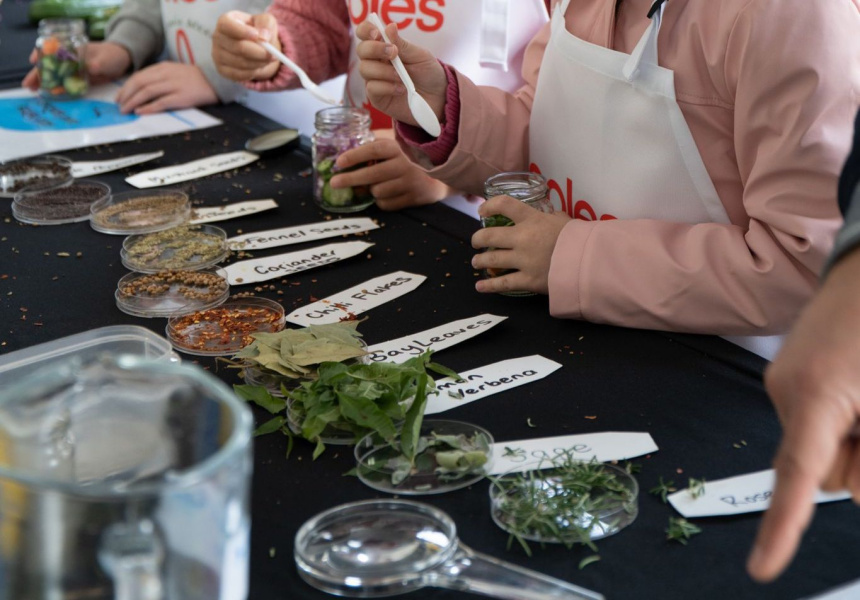
Staff and students from the Faculty of Art and Design, the Faculty of Education and the Department of Nutrition and Dietetics partnered with the Sandro Demaio Foundation and Fed Square to host the 2023 Little Food Festival, aimed at educating children about sustainable and healthy food choices. The festival featured interactive activities like a Food Miles activity and a STEM Food Lab, promoting a better understanding of food systems and sustainability.
Further relevant SDGs:
 What Happens Next? Podcast Wins Gold in Global Awards
View
What Happens Next? Podcast Wins Gold in Global Awards
View
Monash University’s What Happens Next? podcast series received a gold award at the annual global Signal Awards for its 77th episode, “Is Food Insecurity Getting Worse?”. The episode was recognised in the Sustainability & Environment (Best Individual Episode) category for its coverage exploring the impact of climate change, natural disasters and conflict on staple crops and supply chains, reducing access to reliable food sources and making it increasingly difficult for families to put high-quality, culturally-relevant food on the table.

Further relevant SDGs:
 Low FODMAP: The Cookbook
View
Low FODMAP: The Cookbook
View
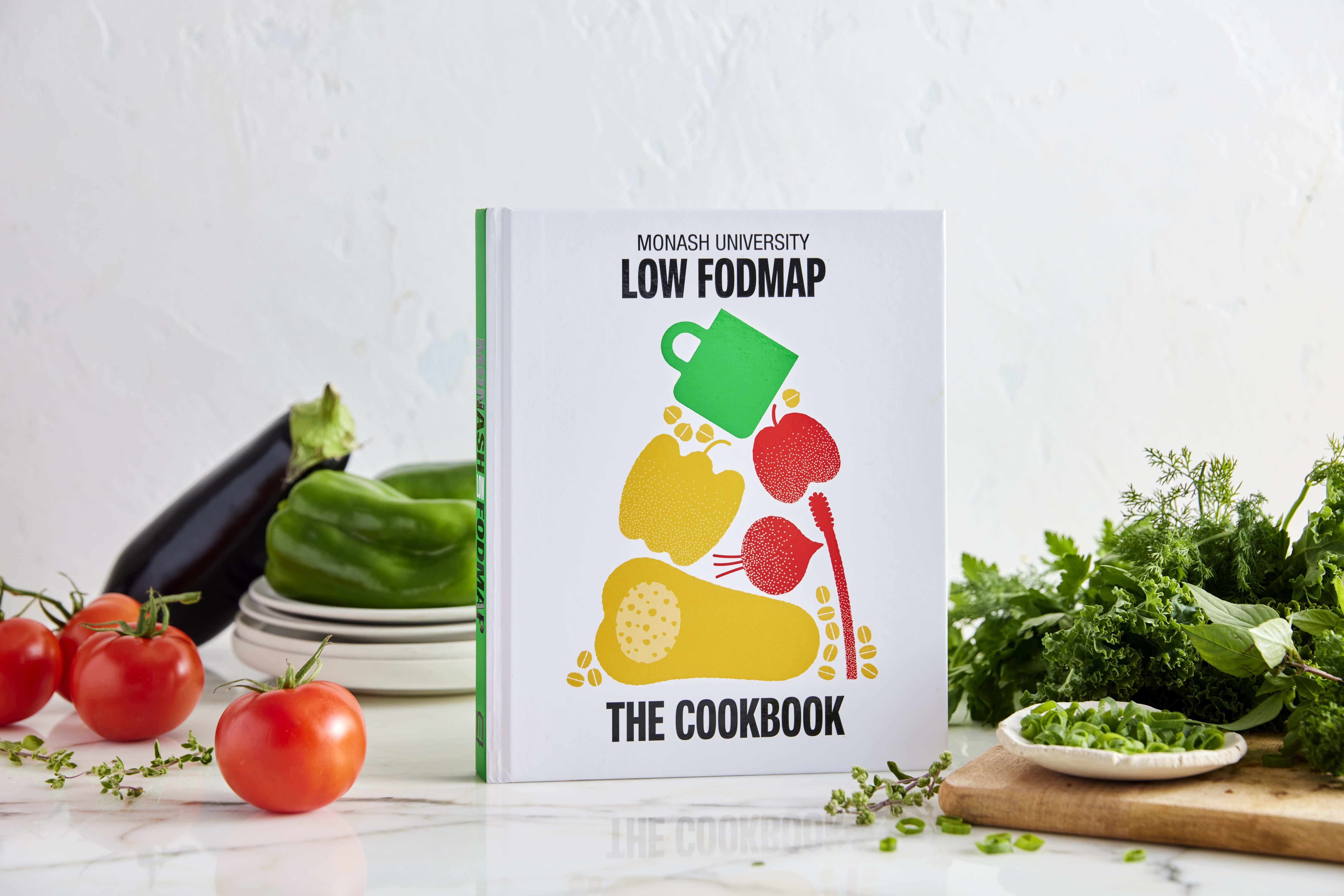
The expert team that developed the world’s first low FODMAP diet has now released a cookbook containing delicious recipes and diet tips for the estimated one in seven adults with irritable bowel syndrome (IBS). Monash University’s Low FODMAP: The Cookbook follows years of ground-breaking research and will make life easier for those with IBS, enabling them to eat well and manage their IBS symptoms.
Further relevant SDGs:
Creating Productive Food Gardens for Monash Residential Services Students
View
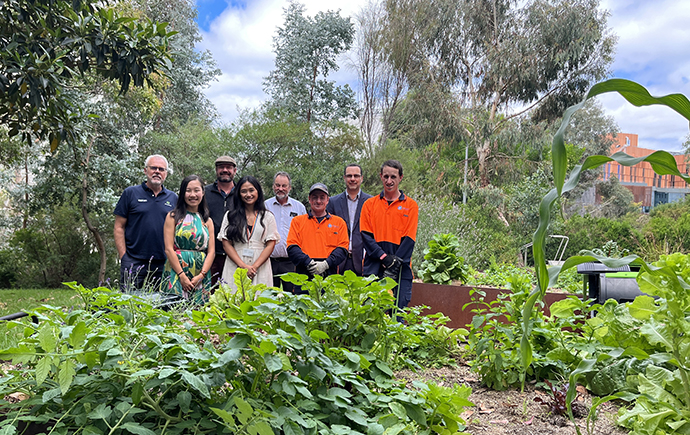
Monash’s University’s Health and Wellbeing, Sustainability and Services Teams partnered with disability support service organisation Wallara and grounds contractor Programmed Property Services to create productive food gardens for students living at Monash Residential Services. The new gardens provide fresh vegetables and herbs, enhancing food security and promoting healthy eating habits among students. The project also employs individuals of different abilities to be involved on-site with various tasks, including the ongoing maintenance of the food garden beds across the student residences.
Further relevant SDGs:
Smart Eating Week
View
Further relevant SDGs:
Monash tops Australian Universities Food Environments Benchmarking Study
View
Monash’s key achievements included: policies supporting healthy food and drinks on campus; robust support, targeted nutrition, and sustainability campaigns; an ad-free and well-equipped campus environment; and dedicated resources showcasing a commitment to nutrition and sustainability.
Further relevant SDGs: