
Transformative leadership through geopolitical crisis: Stories of women and teams working in marginalised communities
Overview
This project explores minority women’s transformative leadership in local education communities of diaspora and marginalisation. We focus on the ways in which women, and the teams they work alongside, engage with marginalised communities affected by sustained geopolitical insecurities, to
address educational gaps and transform lives. Supported by this MWA Activation Grant, we will identify and explore 4-6 case studies between Australia and England and implement a feminist ethnographic-life history exploration of these transformative practices of leadership. The case studies will include a range of community educational contexts such as language schools, cultural support groups, adult education and migration services and community youth groups.
Dr Sum and Moorosi pose the following questions:
- Who are the women leading education for marginalised communities?
- What are the features denoting leadership practice in these settings of diaspora?
- How do women’s life stories illustrate the challenges and enablers to their capacity to contribute to social change, social justice and community leadership?
Aims/objectives:
In alignment with the Monash 2030 strategic plan for thriving communities and geopolitical security, and Warwick’s strategic priorities of inclusion and regional leadership, Dr Sum and Moorosi propose this timely project to situate women’s work as a focus for education and educational leadership. The project aims to:
- Explore lived experiences of transformative leadership practice of minority women, to spotlight these women as inspiration for empirical work that maps story and diversity.
- At a time of reimagining, they aim to capture what minority women have imagined, pioneered and materialised to date, and how this is reflected in the communities to which they belong.
- Through negotiated and collaborative approaches with their participants, they aim to develop a culturally responsive methodology that integrates the expectations and purpose of the women as participants, and agents of change, such that the women may define the most beneficial tools that enable their advocacy, and we may learn from this to contribute towards epistemological and ontological shifts within the field of leadership.
Principle applicants
School of Education Culture & Society - Monash University | 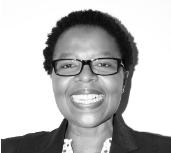 Dr Pontso Moorosi Dr Pontso Moorosi Education Studies - University of Warwick |
|---|
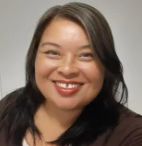 Dr Nicola Sum
Co-applicants
Dr Maria Gindidis - Monash University
Dr Georgiana Mihut - University of Warwick