2023 Publications Performance
View
2023 Publications Performance
View

Monash Research Outputs: 132
Mean Field Weighted Citation Impact (FWCI): 1.8
3 Year Rolling Mean FWCI: 1.87
 Tracking Changes in Consumer Spending
View
Tracking Changes in Consumer Spending
View
Australian Consumer and Retail Studies researchers in the Monash Business School conducted a pulse survey to understand changes in Australian consumer behavior due to cost-of-living increases. The study revealed shifts in spending habits, with a notable increase in conscious shopping, including preferences for lower-priced and environmentally-friendly products.
Further relevant SDGs:


 Exploring Challenges of Low-Waste Living
View
Exploring Challenges of Low-Waste Living
View
Faculty of Arts researchers have been exploring how Australian households can transition to low-waste living. The researchers interviewed consumers about their existing waste management practices, then invited them to each design and implement their own six-week household experiment to transition to a greener lifestyle. The results show that householders were keen to experiment with change, but that low-waste living is not easy.
Further relevant SDGs:


 Researching Home-Compostable Packaging
View
Researching Home-Compostable Packaging
View
Associate Professor Rico Tabor from the School of Chemistry was awarded funding under the ARC’s Mid-Career Industry Fellowships program to develop home-compostable packaging materials. The project aims to reduce reliance on single-use plastics and address environmental issues associated with packaging.

Further relevant SDGs:

 Sustainability Attitudes of Australian Shoppers
View
Sustainability Attitudes of Australian Shoppers
View
Monash Business School’s Australian Consumer and Retail Studies conducted research into attitudes and behaviours of Australian shoppers towards sustainability, focusing on factors such as product durability, repairability, local production, ethical production, and recyclable packaging. The study revealed significant engagement in sustainable practices among Australians, with variations across age groups.
Further relevant SDGs:
 Sustainable Construction Materials
View
Sustainable Construction Materials
View
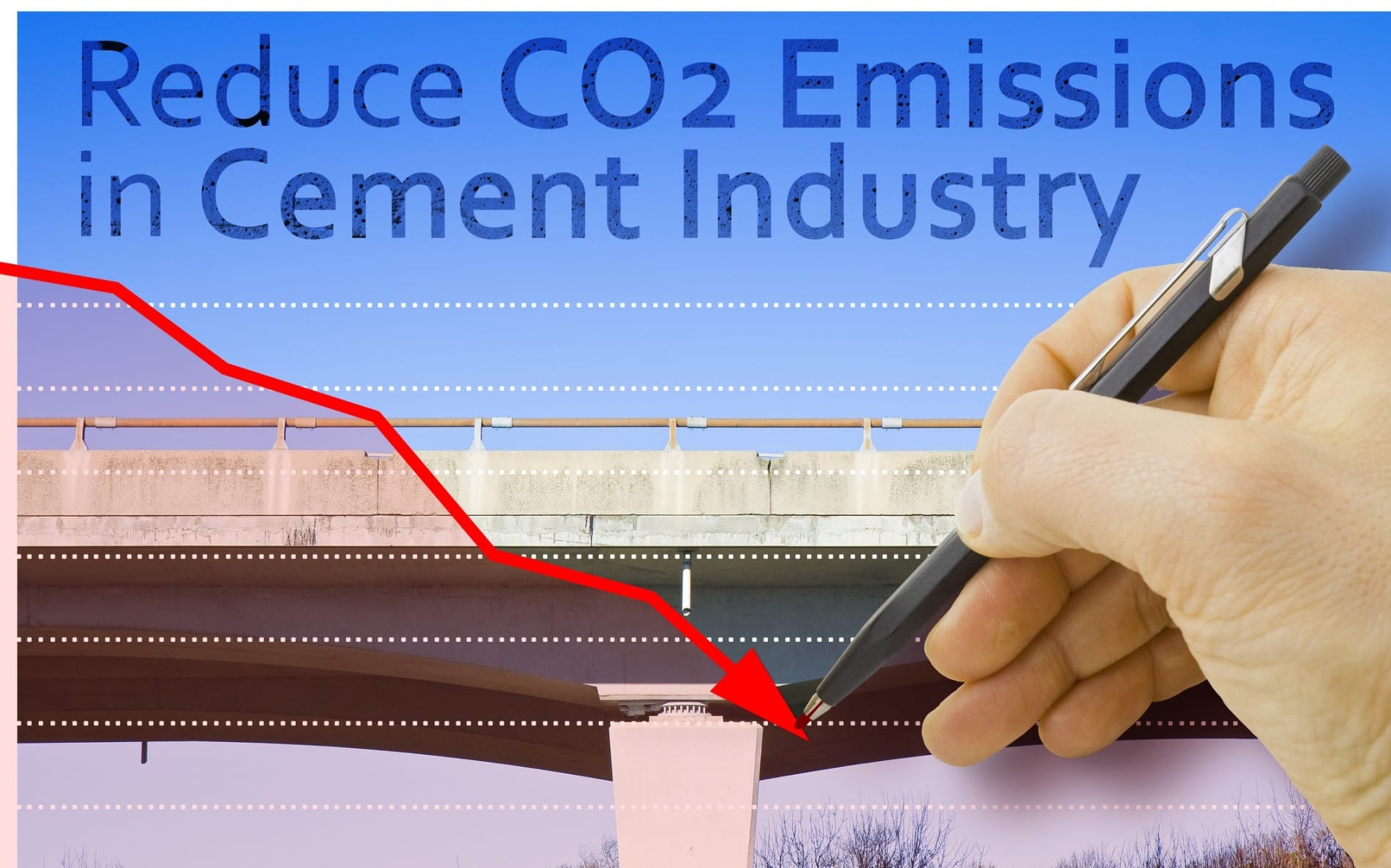
Researchers from Monash University Malaysia’s School of Engineering are exploring how valorisation – the process of adding value to waste or byproducts by converting them into new products, energy, or other resources – can be used to develop novel forms of cement and improve the sustainability of construction.
Further relevant SDGs: