Alliance Accelerator Fund
The Monash Warwick Alliance Accelerator funding scheme offers support to research groups who are working collaboratively on intermediate-sized projects which have the potential to achieve significant impact.
Congratulations to the following three projects which were awarded funding in this funding round in 2018 and 2019
-
In the immediate aftermath of conflict, much of the labour to support households is carried out by women and girls, and as infrastructure deteriorates because of a lack of investment, the pressures on women’s health and well-being increase and their participation in public life decreases.
The state provisioning of social infrastructure at this time, via macroeconomic and social reform policies, often does not reflect the gender specific impacts of these policies. This leads to what has been called ‘depletion through social reproduction’, which occurs when the gap between the outflows —domestic, affective and reproductive labour — and the inflows — medical care, income earned and leisure time — falls below a threshold of biological, financial and affective sustainability.
Professor True, Monash University and Professor Rai, University of Warwick will lead a team from both institutions to pilot research which will explore the impact of social reproductive costs in the absence of a well-developed social infrastructure supporting women within households in the face of conflict and displacement. The pilot will clarify concepts, develop research networks on the ground, and help us ask better questions towards further research. It will also inform analysis of the challenges and the opportunities in times of transition from conflict for gender sensitive economic reform, taking seriously women’s agency and potential.
This project has the potential to transform models of post-conflict recovery and reform, shaping new policies and interventions for governments and international agencies that will contribute to lasting peace and inclusive economic prosperity.
Principle applicants

Professor, School of Social Science, Monash University

Professor, Department of Politics and International Studies, University of Warwick
Co-applicants
Dr Samanthi Gunawardana, Senior Lecturer, School of Social Science, Monash University
Dr Nicola Pratt, Reader, Department of Politics and International Studies, University of Warwick
-
With cardiovascular disease being the number one cause of death across the world, enormous progress has been made in recent years to address the development of engineered cardiovascular systems. Despite these advances there are still a number of clinical challenges that have so far remained unexplored.
Professor Adrian Neild from the Faculty of Engineering at Monash University and Dr Jerome Charmet from the Faculty of Science, Engineering and Medicine at the University of Warwick will come together to explore the engineering of cardiovascular systems to address issues within the following cardiovascular systems:
- Cardiovascular stents,
- Ex-vivo cardiovascular models, and
- Grafts.
Through a combination of 3D printing and microfluidic, Professor Neild, Dr Charmet and a team of experts will address key cardiovascular system issues throughout the project and generate measurable outputs and opportunities that have the potential to involve commercial partners.
Principle applicants

Professor, Faculty of Engineering, Monash University

Assistant Professor, Faculty of Science, Engineering and Medicine, University of Warwick
Co-applicants
Dr Victor Cadarso, Senior Lecturer, Faculty of Engineering, Monash University
-
Borderline personality disorder (BPD) is a disorder which impacts how a person interacts with others. The condition is characterised by impairment in intimacy (conflicted relationships, difficulty trusting others, abandonment fears, patterns of over involvement/withdrawal as well as idealisation/devaluation of relationships) and/or empathy (limited ability to recognise others’ needs and feelings, and sensitivity to real or imagined criticism) (Sanislow et al., 2002).
Professor Jacob Hohwy and Dr John Michael will develop and test a novel theoretical approach to understanding, and potentially treating, the disturbances in interpersonal functioning that are characteristic of BPD. By uniting their complementary skill sets the team can use MWA Accelerator funding to conduct a large-scale collaborative project with a high potential to generate social benefit and critically impact interdisciplinary research at the crossroads of philosophy, psychology and psychiatry.
The core of this theoretical approach is the hypothesis that those characteristic symptoms may be traced back to a disruption of the sense of commitment to joint actions and to relationships. The study will investigate whether individuals with BPD have difficulties gauging the level of commitment that others consider appropriate or reasonable, leading them to form unrealistic expectations which frequently become disappointed and/or which others perceive as burdensome. To test and refine the hypothesis, the project will implement lab-based experiments and utilise social network analysis to map the network structures of the symptoms of BPD and the properties of the social networks that these individuals form. This will make it possible to probe and refine the ecological validity (the degree to which the behaviours observed and recorded in a study reflect the behaviours that actually occur in natural settings) of the theoretical model, develop tools for measuring the structure and stability of social networks among individuals with BPD and gain valuable insights into the philosophical and ethical implications of the disorder.
Looking to the future, the research team plan to use this project as springboard to unite the expertise of our two institutions and develop further projects into BPD, with a particular view to provide unique educational opportunities for students who are motivated to develop an interdisciplinary skill set and international network. Working together the team are aiming to develop new insights and ecologically valid tools for diagnosing and treating BPD, and for assessing treatment techniques.
Skodol, A. E., Gunderson, J. G., McGlashan, T. H., Dyck, I. R., Stout, R. L., Bender, D. S., ... & Sanislow, C. A. (2002). Functional impairment in patients with schizotypal, borderline, avoidant, or obsessive-compulsive personality disorder. American Journal of Psychiatry, 159(2), 276-283.
Principle applicants

School of Philosophical, Historical and International Studies, Monash University

Department of Philosophy, University of Warwick
Co-applicants
Associate Professor Antonio Verdejo-Garcia, School of Psychological Sciences, Monash University
Dr Lukasz Walasek, School of Science, University of Warwick
Dr Sakari Lemola, Department of Psychology, University of Warwick
-
Mental health problems such as depression cause a great deal of suffering to those experiencing them, including family and friends. Depression is currently the third leading contributor to the global burden of disease, with the World Health Organization predicting it will become the second leading contributor by 2020.
In the UK, around 1 in 7 children suffering from mental health problems are also reported to have an intellectual disability, which is characterised as limitations in intellectual and adaptive functioning. As well as being a high-risk group amongst the whole population of young people, children and adolescents with intellectual disability are 4 to 5 times more likely to have a diagnosable mental health problem compared to those without an intellectual disability.
A recent review of mental health treatment research by the UK National Institute for Health and Care Excellence (NICE) found no high quality evidence for psychological therapies for the treatment of mental health problems in children and adolescents with intellectual disability. As a result of this finding, Professor Richard Hastings and Professor Kylie Gray of the Centre for Educational Development, Appraisal and Research, University of Warwick and Professor Katrina Williams, Head of Paediatrics, Monash University will bring together an international team of experts to adapt an existing treatment for depression of adults with intellectual disability. This treatment will be evaluated and its suitability as a treatment for adolescents with intellectual disability who have depression will be assessed.
Working collaboratively, the project will provide broad learning opportunities and assist in the design of a framework for the adaptation/development and evaluation of psychological treatments for mental health problems in young people with intellectual disability. The project also presents key opportunities for the supervision, mentoring, and skills development of research and clinical staff.
-
Phage therapy – a viable therapy for urinary tract infections, pneumonia, bloodstream infections and inflammatory bowel disease
Antibiotic or antimicrobial resistance (AMR) represents a current threat to global health and security, making routine surgery and bacterial infections risky. Of particular concern are multidrug-resistant Enterobacteriaceae infections that are becoming increasingly difficult to treat with the existing antibiotics available in clinical settings. The Enterobacteriaceae include pathogens such as Klebsiella and Escherichia coli, and it is the ability of these bacteria to acquire and share an ever-increasing number of antimicrobial resistance genes, particularly in health-care settings, that represents such a critical threat to human health.
Professor Trevor Lithgow, Laureate Fellow at Monash University and Dr Eleanor Jameson, WISB Research Career Development Fellow at University of Warwick, are collaborating together on a research project which aims to establish the effectiveness and safety risks associated with using bacteriophages (viruses that kill bacteria) as both a therapeutic to treat infections and as prophylaxis to prevent pathogenic Enterobacteriaceae infections. The work is undertaken together with A/Prof. Sheena McGowan (Monash) and Dr. Freya Harrison (Warwick).
Multi-drug resistant Enterobacteriaceae are known to cause problematic hospital-acquired infections, particularly urinary tract infections (UTIs) and pneumonia. The levels of hospital acquired multi-drug resistant Enterobacteriaceae have increased more than ten-fold across Europe since 2001 and even more so in Africa and Asia, featuring heavily in the WHO’s global list of priority pathogens.
This collaboration brings together expertise in clinically relevant models, phage ecology and structural biology to build robust, effective and integrated approach to investigate the problem of how to safely adopt phage therapy into mainstream medicine in the current void of new antimicrobial agents. The Alliance research team will establish the feasibility of phage therapy as an alternative to antibiotics, by testing the potential pitfalls of phage therapy.
Principle applicants

ARC Laureate Fellow, Biomedicine Discovery Institute,
Monash University
WISB Research Career Development Fellow, School of Life Sciences, University of Warwick
Co-applicants
Dr Sheena McGowan, Group Leader, Structural Microbiology Laboratory, Monash University
Dr Freya Harrison, Associate Professor, School of Life Sciences, University of Warwick
-
Chemical warfare agents (CWA) can cause incapacitation and death within minutes of exposure to milligram quantities. They continue to be used in terrorist attacks and military conflict despite the best efforts of the international community. Recent international CWA clean-up efforts (e.g. the Salisbury incident) identified that locating CWA contamination, and remediating it to safe levels, is currently an expensive and time consuming activity.
Current decontamination solutions for CWAs rely upon broad spectrum reagents such as sodium hypochlorite bleach, which is relatively fast, effective and cheap, particularly in scenarios that require large areas of mass decontamination. However, bleach and similar products are highly corrosive and require large volumes of decontamination solution relative to the amount of agent. In addition to this, they don’t give any indication of resulting decontamination/detoxification or of any residual contamination.
Associate Professor Kellie Tuck, Monash University and Professor Michael Ward, University of Warwick, will develop innovative tools for the detection and destruction of environmental toxins including CWAs. The development of a single material that both indicates the presence of a toxin, and promotes its detoxification, is unprecedented and will significantly facilitate the clean-up process. It is anticipated that by incorporating such a material into specialised decontamination sprays and wipes for use in the field, there is the potential to reduce workers’ exposure to toxic chemicals during handling, application, monitoring and remediation programs.
Principle applicants
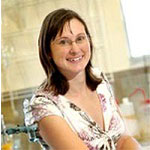
Associate Professor Kellie Tuck
Associate Professor, School of Chemistry,
Monash University
Head of Department, Department of Chemistry,
University of WarwickCo-applicants
Dr David Turner, Senior Lecturer, School of Chemistry, Monash University
Dr David Fox, Associate Professor, Department of Chemistry
Dr Jerry Piper, Senior Research Fellow, Department of Chemistry, University of Warwick
Visiting Fellow:
Dr Genevieve Dennison, Defence Science and Technology Group, Melbourne, Australia