
Monash research drives launch of new biotech targeting genetic kidney disease
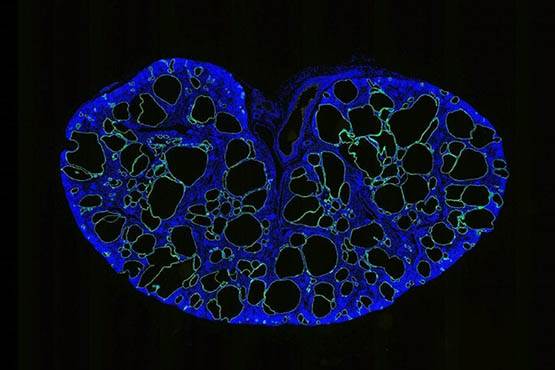
Monash University researchers are advancing a new therapeutic approach for Autosomal Dominant Polycystic Kidney Disease (ADPKD) through biotechnology company xCystence Bio, supported by a syndicated pre-seed investment.
Launched in 2023 with grant funding from Brandon BioCatalyst’s CUREator incubator, the company brings together Monash University expertise in kidney disease biology and medicinal chemistry to develop new therapies for the condition. It builds on research led by scientists across the Monash Biomedicine Discovery Institute (BDI) in the Faculty of Medicine, Nursing and Health Sciences (MNHS) and the Monash Institute of Pharmaceutical Sciences (MIPS) within the Faculty of Pharmacy and Pharmaceutical Sciences.
The investment round is backed by the Monash Ventures Pre-Seed Fund – a participant in Breakthrough Victoria’s $100 million University Innovation Platform (BVUIP) – alongside Australian investors Breakthrough Victoria, Uniseed and BioCurate, and will enable optimisation of the company’s lead therapeutic programs and progression toward the clinic.
Targeting the biology of polycystic kidney disease
ADPKD is the most common inherited kidney disorder and a leading genetic cause of kidney failure globally. Approximately half of all those affected ultimately face end-stage renal disease. The disease is characterised by the progressive growth of fluid-filled cysts in the kidneys, which can ultimately lead to dialysis or transplantation.
xCystence Bio is developing a pipeline of Targeted Protein Degraders (TPDs) designed to remove the Aurora kinase A (AURKA) protein, which plays a key role in cyst formation and disease progression in ADPKD.
The company’s lead programs focus on selectively degrading AURKA rather than simply inhibiting its activity, a strategy that early research suggests may halt cyst growth while avoiding some of the limitations associated with conventional kinase inhibitors.
ADPKD is caused by mutations in the PKD1 and PKD2 genes, which drive the formation and expansion of cysts in kidney tissue. Current treatment options remain limited, with the only approved therapy providing modest benefit and often associated with significant side effects.
xCystence Bio’s therapeutic strategy uses targeted protein degradation to selectively remove AURKA, leveraging the body’s natural cellular recycling systems to eliminate the disease-driving protein rather than simply blocking its activity.
Professor Ian Smyth, Co-Founder and Biology Lead of xCystence Bio and Associate Dean (Research and Research Infrastructure) at MNHS, said the research behind the company offers a promising new approach to treating ADPKD.
“ADPKD remains a devastating condition for many patients and families, and new treatment options are urgently needed. The xCystence approach of targeting AURKA offers a novel intervention halting cyst growth and disease progression.”
Professor Paul Stupple, Co-Founder and Chemistry Lead at xCystence Bio and Professor of Medicinal Chemistry at MIPS, said the targeted protein degradation approach represents a promising direction for drug discovery.
“Targeted protein degradation allows us to remove a disease-driving protein rather than simply inhibiting its activity. This opens up new possibilities for developing therapies that more effectively address the underlying biology of the disease.”
Leveraging Australia’s innovation ecosystem
The company recently closed the pre-seed investment round backed by Monash Ventures, Breakthrough Victoria, Uniseed and BioCurate.
Dr Ingmar Wahlqvist, Acting Chief Commercialisation Officer at Monash University and Senior Director, Monash Ventures, said the investment shows the strength of Australia’s research and investment community.
“We’re proud to collaborate with Breakthrough Victoria, Uniseed and BioCurate, organisations who recognise the immense value of supporting outstanding Monash research as we build the next generation of biotech companies.”
Dr Kathy Nielsen, CEO of BioCurate, said the investment highlights the opportunity to translate leading research into new therapies.
“We look for opportunities where strong science and committed teams focus on important health challenges. xCystence Bio brings both – a compelling therapeutic approach and a world-class team with deep expertise in kidney disease and drug discovery – and we’re pleased to support the company as it progresses its programs.”