Monash Report 2023 – Goal 14

Close

 2023 Publications Performance
View
2023 Publications Performance
View

Monash Research Outputs: 44
Mean Field Weighted Citation Impact (FWCI): 1.69
3 Year Rolling Mean FWCI: 1.6
 Studying Low Cancer Rates in Sharks
View
Studying Low Cancer Rates in Sharks
View
An international study co-led by the Australian Regenerative Medicine Institute with researchers from Germany, Sweden, and the USA, has investigated the reasons behind low cancer rates in sharks. The study, published in Nature Communications, revealed that sharks have the lowest mutation rate among vertebrates, which may explain their low cancer rates but also limits their ability to adapt to environmental changes such as overfishing and habitat loss.
Further relevant SDGs:

 Adaptation Strategies of the Polar Fish
View
Adaptation Strategies of the Polar Fish
View
An international study led by School of Biological Sciences researchers and published in PLOS Biology found that polar marine fish reproduce later and lay more eggs compared to tropical fish. The study suggests that these traits may help polar fish cope with environmental changes and could impact fish populations globally in the context of climate change.

Further relevant SDGs:
 Life Without Sunlight
View
Life Without Sunlight
View
Researchers from Monash University's Biomedicine Discovery Institute conducted a five-year study, published in Nature Microbiology, revealing that deep ocean microbes survive by chemosynthesis, using hydrogen and carbon monoxide instead of sunlight. This study challenges the traditional view that ocean life primarily relies on photosynthesis and provides new insights into microbial life in the ocean.

Further relevant SDGs:


 Unit Statistics and Highlights
View
Unit Statistics and Highlights
View
In 2023, Monash offered 81 units directly related to SDG14 with 5,903 total enrolments.
The units highlighted below are a small sample of the units at Monash relating to life below water:
 Oceans and Coasts
View
Oceans and Coasts
View
Undergraduate students in this unit taught by the School of Earth, Atmosphere and Environment study ocean circulation and mixing, ocean chemistry and productivity, sediment transport in the oceans, and hydrodynamic forces affecting coastlines. The significant challenges related to environmental management of oceans and coasts are examined, such as runoff, ocean acidification, eutrophication, coastal erosion, ocean warming and sea level rise. To develop their practical skills the students undertake a 2-day field trip to Warrnambool, involving a scientific cruise and beach surveys.

Further relevant SDGs:

 World Environment Day
View
World Environment Day
View
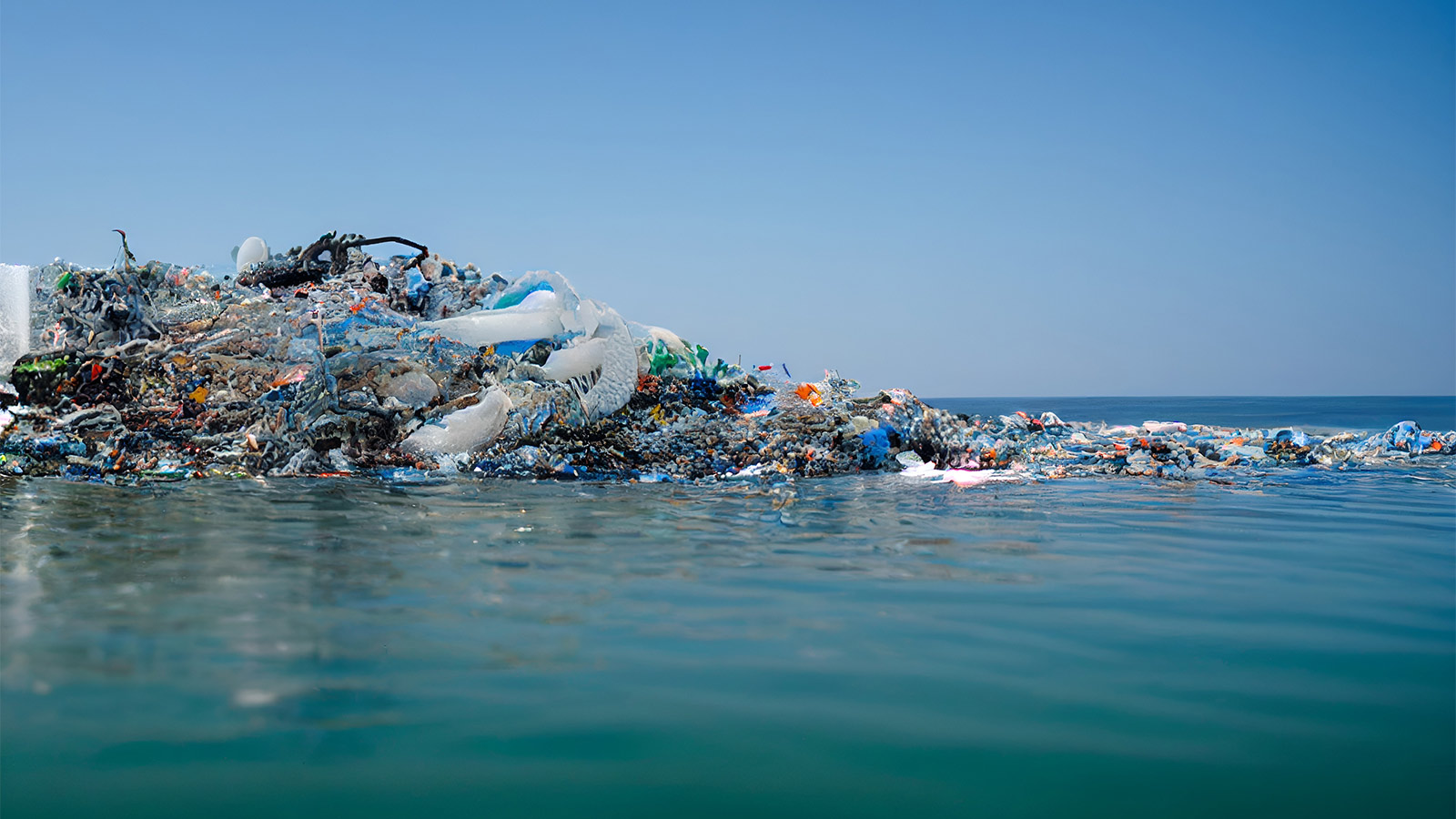
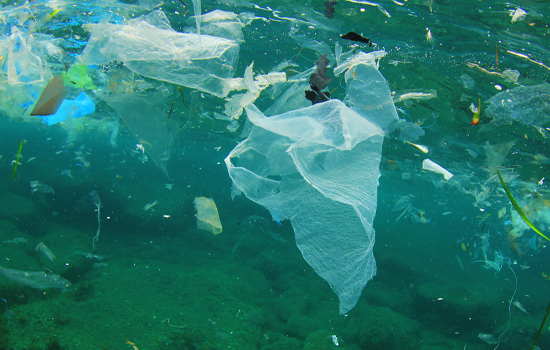
Alan Reid, a professor in Monash's School of Curriculum, Teaching and Inclusive Education, called on Australian schools to engage students in 2023's World Environment Day theme of #BeatPlasticPollution and suggested a range of innovative resources to support this engagement. Prof Reid concluded that "by learning about the causes and consequences of plastic pollution in the ocean, students can develop understandings of how various actions and initiatives can have a range of impacts on the environment and on society as a whole. And by participating in #BeatPlasticPollution, schools can help foster a sense of environmental stewardship and contribute to ensuring that future generations have access to healthy and thriving oceans."
Further relevant SDGs:
 Human Health Depends on Thriving Oceans
View
Human Health Depends on Thriving Oceans
View
Monash Sustainable Development Institute Director Tony Capon co-authored a paper in Lancet on the critical links between human health and ocean conservation. Published in conjunction with World Oceans Day, Human Health Depends on Thriving Oceans highlights the critical role of oceans in carbon storage, climate regulation, food provision, and even medicinal resources. It also provides a robust evaluation of the UN Draft Agreement on Biodiversity Beyond National Jurisdiction, commonly known as the Treaty of the High Seas.
Further relevant SDGs:

 Investigating the Sustainability of Seafood
View
Investigating the Sustainability of Seafood
View
A study by researchers from the faculties of Arts and Science and published in the journal Technology in Society revealed the resistance of seafood industry giants to adopt digital traceability technologies like blockchain. The study highlighted how this resistance contributes to unethical practices and threatens marine biodiversity by obscuring the origins and sustainability of seafood.
Further relevant SDGs:


SEAFOAM Program
View
Climateworks Centre’s SEAFOAM program has been working with the Indonesian government to support their climate ambition through ocean-based mitigation. In September 2023, Climateworks published a report that demonstrates the value and impact of Indonesia’s ocean-based climate mitigation.

Further relevant SDGs:
 Point Nepean Research and Education Field Station
View
Point Nepean Research and Education Field Station
View
Monash University and the University of Melbourne are partnering to develop the Point Nepean Research and Education Field Station, an interdisciplinary science research and education facility encompassing coastal environments, climate change, history and culture, the arts and community engagement.
As home to the National Centre for Coasts, Environment and Climate, the site will serve as a marine climate field station making use of the site’s unique marine and coastal environment, including work on habitat and ecological restoration, as well the significant Indigenous history and settler heritage of the site.

Further relevant SDGs: