
The theme of this year’s World Environment Day (June 5) is #BeatPlasticPollution. Monash University asks why it’s important that schools get involved in addressing a global issue that affects our planet's health and wellbeing.
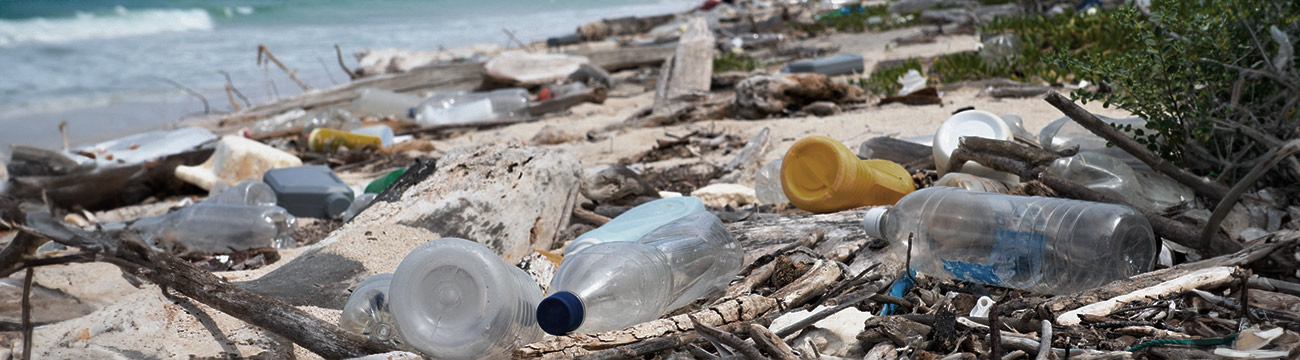
Ocean literacy can be defined as understanding the ocean’s influence on humans and our influence on the ocean. A flashpoint for this is ocean plastic pollution. 2023’s #BeatPlasticPollution campaign highlights this is a major environmental crisis that affects every part of the planet. According to the United Nations Environment Programme (UNEP), which sponsors World Environment Day, an estimated eight million tons of plastic waste end up in our oceans each year, causing harm to wildlife, ecosystems, and humans.
Here are six reasons why schools should get on board with the #BeatPlasticPollution campaign as a key part of ocean literacy:
1. The impact on wildlife
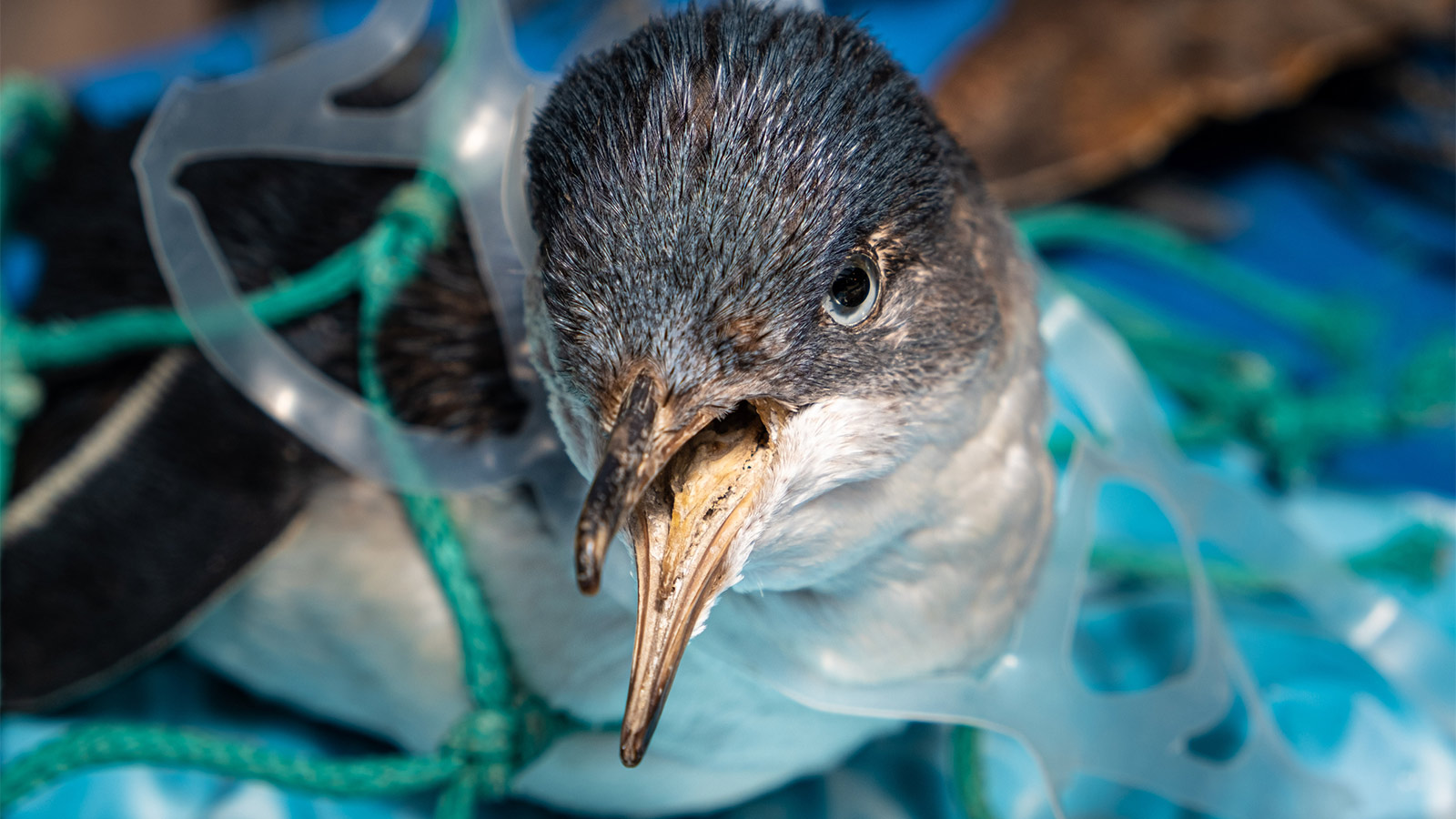
One of the most visible and devastating consequences of ocean plastic pollution is its impact on marine wildlife. Birds, fish, turtles, and other creatures can mistake plastic debris for food or become entangled in plastic waste, leading to injury or death.
The call to action felt by many families who watched David Attenborough’s Blue Planet II series can be reaffirmed in schools that provide marine environmental education year round, or take part in shorter events, such as SeaWeek.
By teaching students about the impact of plastic pollution on wildlife, schools can help cultivate a sense of connection, empathy and responsibility in young people.
2. Ocean plastic pollution is linked to the Sustainable Development Goals
In 2015, the United Nations member states adopted the 2030 Agenda for Sustainable Development. This shared blueprint strives for peace and prosperity for people and the planet. It centres around 17 Sustainable Development Goals (SDGs), which are an urgent call for action by all countries in a global partnership.
Tackling climate change and working to preserve our oceans and forests are a key part of the SDGs. This means addressing the causes of pollution rather than turning a blind eye to that aspect by only addressing the impacts. Goal 14: Life Below Water, aims to conserve and sustainably use the oceans, seas, and marine resources, while Goal 12: Responsible Consumption and Production, calls for sustainable consumption and production patterns to address the root causes of the triple planetary crises of climate change, biodiversity loss and pollution.
By teaching students about ocean plastic pollution and its connection to the SDGs, students can understand the importance of taking actions that create a more sustainable future for humans and ocean wildlife. Unsurprisingly, they will also discover some of the many challenges to this as young citizens — in the media, economy, society, and politics — as they try to transfer ocean knowledge into action.
3. Use a ‘whole school’ approach
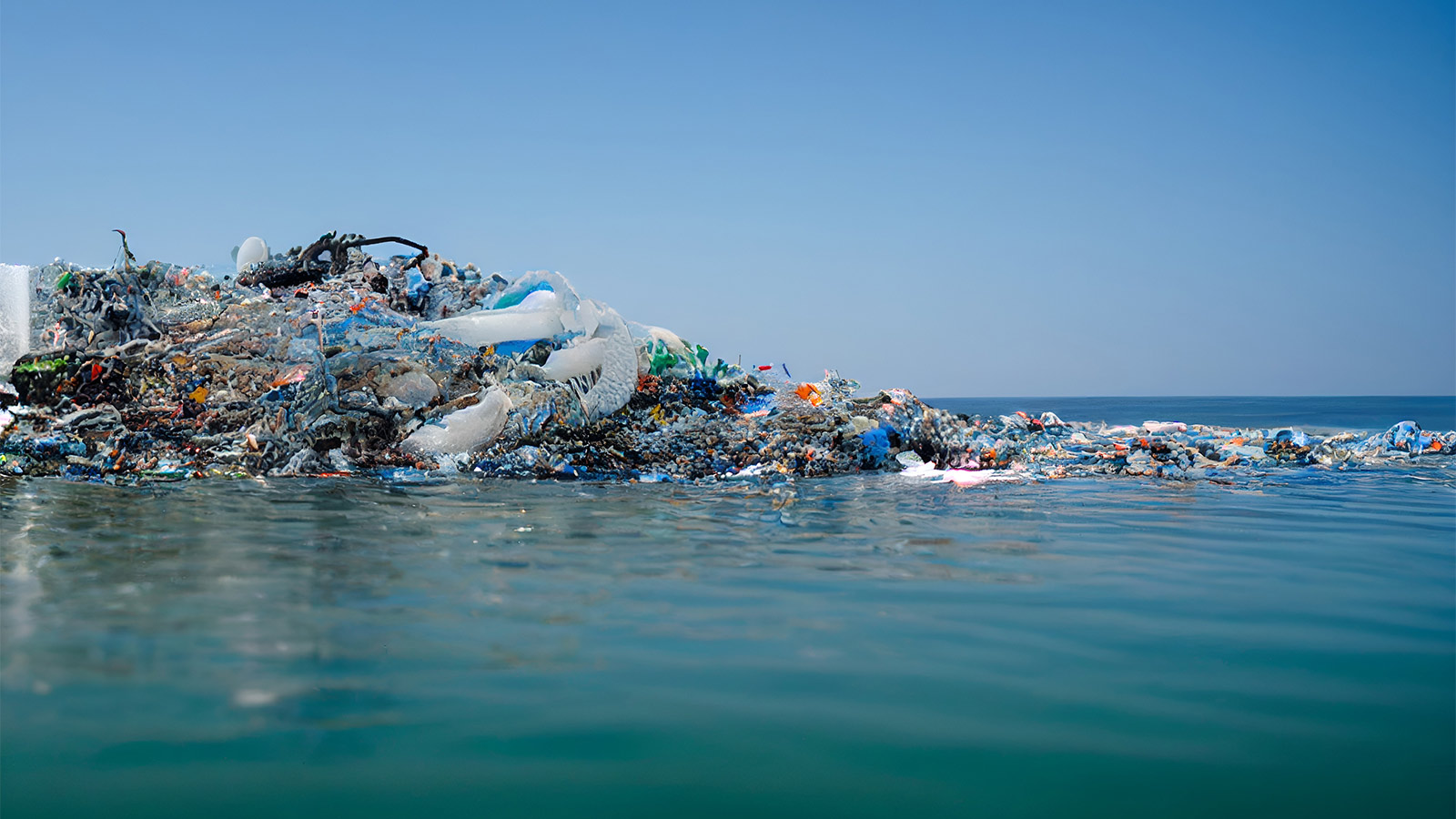
Educational research has shown that whole school approaches that involve students, teachers, and school leaders in meaningful and sustained action can be more effective in promoting sustainability and reducing plastic waste than approaches favouring occasional inputs on hot topics.
For example, schools that develop and monitor waste reduction policies, provide recycling and composting programs, and encourage the use of reusable containers and utensils help reduce cognitive dissonance. This is not only because actions speak louder than words, but because students are keenly attuned to hypocrisy – in short, schools have to practice what they preach.
By engaging the entire school community in efforts to reduce plastic waste, schools can foster a culture of dialogue about diverse aspects of sustainability, and how the school community promotes positive engagement, problem-solving and actions in relation to this.
4. Innovative approaches can engage and inspire students
Inclusive approaches to ocean literacy do not assume able bodiedness or cultural competence when participating in ocean-related activities, for example focusing on traditional surf school experiences will not be suitable for everyone in addressing marine pollution topics.
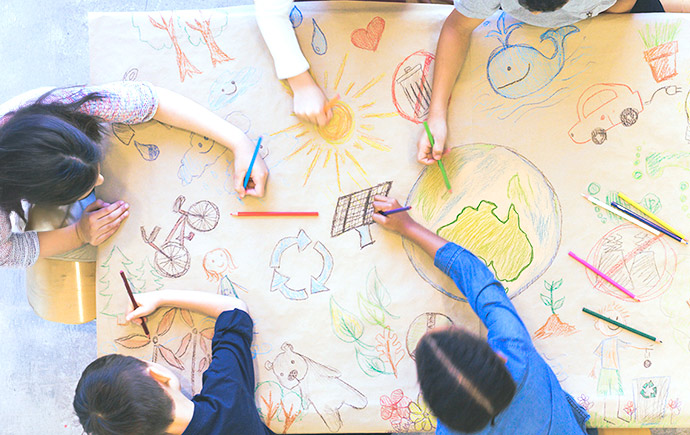
Some schools tackle this by using virtual reality or augmented reality technologies to simulate the impact of plastic pollution on marine ecosystems. Alongside a STEM or Geography F-10 focus, teachers might also integrate art or music projects that help students express their feelings about the issue and motivate others to take action. By using inclusive, creative and interactive approaches, as suggested by the Ocean Literacy for All initiative, schools can help all students connect with the issue in meaningful ways and encourage them to become advocates for change.
Some examples of innovative approaches that schools use to teach students about ocean plastic pollution are:
- Plastic Free Schools projects around the world. These programs provide resources and support to schools to reduce their use of single-use plastics and educate students on the importance of plastic reduction.
- Sea Country programs around Australia, that integrate Indigenous knowledge and perspectives into marine science education. While on the east coast, there’s the Great Barrier Reef Marine Park Authority’s Reef Guardian Schools program which encourages schools to take action to protect the reef through environmental education and sustainability projects.
For community-focused teaching and learning about ocean plastic pollution, hands-on examples include:
- The Two Hands Project in Australia, which encourages individuals and communities to clean up their local beaches and waterways and reduce their use of single-use plastics.
- The Clean Seas Campaign in Indonesia, which employs a combination of education and advocacy to reduce plastic pollution in the ocean.
5. The importance of marine environmental education locally and globally
Teaching about ocean plastic pollution is only one aspect of environmental education, which is essential for understanding and protecting life on the planet through its focus on developing ocean literacy. Ocean literacy initiatives are designed to foster informed and responsible people who understand the ocean's critical role in our planet's health and wellbeing.
Marine-focused environmental education can help students understand the interdependencies between oceans, human activities, and the environment, and how this is under threat from human activities such as pollution from land and rivers, overfishing, and climate change. It can also help them develop the knowledge, skills, and attitudes needed to become responsible and engaged citizens.
In Australia, for example, a marine dimension is a crucial component of many subjects in the Australian curriculum, which includes learning about the impact of human activities on the marine environment, the significance of marine conservation, and sustainable practices.
6. The connection to broader environmental issues
As ocean plastic pollution is just one piece of a larger environmental puzzle, by teaching students about the issue in school subjects and via cross-curricular priorities, teachers can help them understand the interconnectedness of environmental problems. Climate change, habitat loss, and pollution are all linked. Recognising this can inspire young people to think more broadly about environmental issues and take a more holistic approach to sustainability.
Linking plastic pollution examples to ocean literacy, land-based environmental education and Indigenous education is especially important because it emphasises the importance of holistic, connected, and socially just approaches to education.
While ocean plastic pollution is a complex issue that requires systemic change, teachers can help students understand that individual actions can make a difference. By incorporating lessons about plastic pollution into the curriculum, schools can:
- help increase student knowledge and attitudes
- promote behaviour change
- inspire environmental stewardship
- address social and environmental justice issues related to plastic pollution.
Small changes in daily habits, such as using a refillable water bottle or bringing a reusable bag to the grocery store, can add up to big impacts over time. By teaching students about the importance of individual and collective action, young people are empowered to make a positive difference in their own communities.
So let’s distill the six reasons down to one. By learning about the causes and consequences of plastic pollution in the ocean, students can develop understandings of how various actions and initiatives can have a range of impacts on the environment and on society as a whole. And by participating in #BeatPlasticPollution, schools can help foster a sense of environmental stewardship and contribute to ensuring that future generations have access to healthy and thriving oceans.