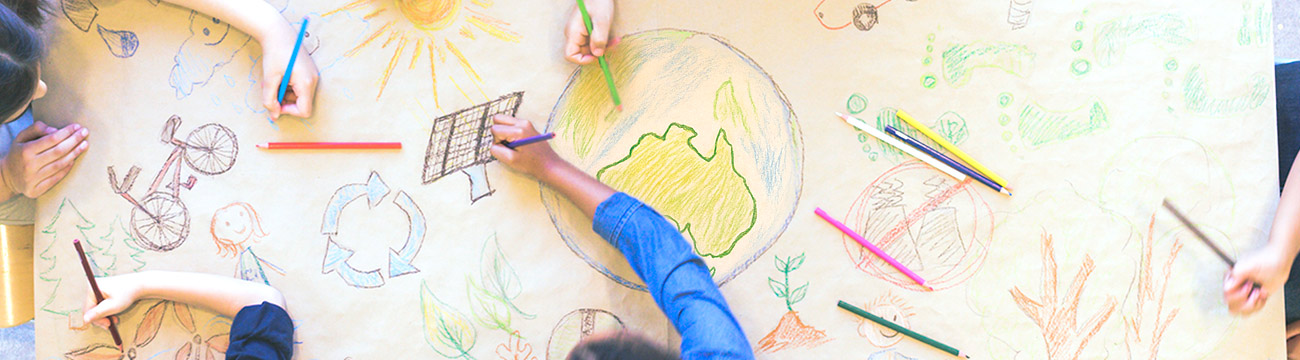

What if teaching about the environment wasn’t just another curriculum add-on, but a starting point for reimagining the kind of future we want our students to build, and live in?
This year, World Environment Day (5 June) calls for collective action to #BeatPlasticPollution. It invites educators to look again at what, how, and why we teach about plastics and sustainability in schools.
Are our students learning why we need to reduce global consumption and production of plastics, and how? Are we teaching about the circular economy in specific subjects, or across the whole school? Are we helping young people see through #greenwashing by developing their critical literacy and sense of agency?
#BeatPlastic Pollution
While governments around the world continue negotiations on a global treaty to combat plastic pollution, schools are being encouraged to celebrate the 2025 World Environment Day by turning awareness into action.
The UN Environment Programme’s (UNEP) key messages this year remind us that
- plastic pollution is a problem we can fix;
- solutions are available and come with undeniable benefits; and
- that a global treaty offers us a chance to end plastic pollution and protect people and the planet.
Resources for Teachers
UNEP has provided flexible campaign resources that schools can adopt and adapt to address plastic pollution.
Some key resources to explore:
- Global consumption and production figures with a breakdown of the estimated 516 million tonnes used in 2025 by country and where to access data on the entire life cycles of plastics
- Where plastic pollution is found and which has the most impact on the environment and health for example as marine litter through to toxic health effects
- why recycling alone is not enough, and a circular economy offers a way forward.
If you feel unfamiliar with the scientific and societal dimensions of the topic, the UNEP resources on the anatomy of plastics are a great place to start, alongside the summary of microplastics, and stories such as those weaving together the lives of waste pickers, the goal of a just transition, and the realities and challenges of creating a circular economy.
Classroom activities to #BeatPlasticPollution
Create a plastic audit challenge
Students track their plastic use for a week, creating visual displays of their findings. Challenge them to reduce their usage by 50% the following week - a great way to raise awareness of personal plastic consumption.
Design and build plastic pollution filters
Students create water filtration systems to remove microplastics from water samples using simple materials like cotton wool, sand and gravel. This hands-on experiment connects with both science and geography.
Start a plastic-free lunch initiative
Challenge classes or groups to bring lunches without single-use plastic packaging. Create a competition to generate the least plastic waste, encouraging creative alternatives to plastic packaging.

Create a plastic art exhibition
Students transform clean plastic waste into artwork that communicates messages about plastic pollution. Consider inviting parents and community members to view your inspiring exhibition!
Develop a plastic-free alternatives guide
Students research and create an illustrated guide showing plastic-free alternatives for common items used at school and home. They can interview local shop owners and create a practical resource for the whole school community.
A ‘kick up our Rs’
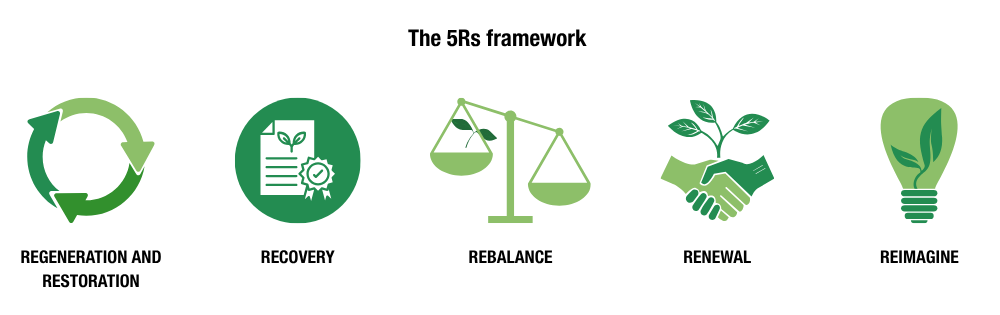
In environmental and sustainability education, the 3 Rs mantra of Reduce, Reuse, Recycle has been used since the 1970s to encourage students to consider ways to protect our environment.
In 2022, we marked over 50 years of World Environment Days, highlighting that we need to ‘Go beyond the 3Rs in Australian schools’ with the 5 Rs framework, designed to combat tokenism and greenwashing.
Towards Transformation
Whatever your starting point this year, education remains a powerful tool for change. At Monash Education, we continue to advocate for education that creates a shared culture of learning for sustainability, alongside one that “unlearns unsustainability”.
Here are three of UNEP’s many tips for building change-makers through education:
- Building sustainability into education programmes for all ages so that they understand the risks facing their generation and how we can bring about transformative change.
- Establishing an environment club for students ready to dive deeper into finding solutions to climate change, biodiversity loss, and pollution.
- Hold a World Environment Day-themed event for your students where they write to local and national leaders asking for the changes they would like to see. Examine the impacts that your institution and its activities have on the environment and work out a plan to become more sustainable – including measurable targets beyond 5 June.
References
- World Environment Day
- Beat plastic pollution
- Australian Curriculum link
- Stay Tuned to Our Planet (STTOP) education program
- More than 80,000 ‘green schools’ around the world are following UNESCO's recommendations
International resources that can be easily adapted:
Related Teachspace stories: