In 2024 Monash University researchers produced 343 publications related to SDG 10, with a mean Field-Weighted Citation Impact (FWCI) of 2.19.
What is Field-Weighted Citation Impact?
Field-Weighted Citation Impact (FWCI) refers to the ratio of the actual number of citations received by a research output and the total citations expected based on the average of the subject field. An FWCI value of 1 may be interpreted as having ‘world average impact’. Thus, a publication with an FWCI of more than 1 indicates higher than expected citations based on the global average for similar publications. As FWCI reflects citations received to date, a publication’s FWCI value may fluctuate over time.
Research at Monash University is uncovering the effects of racial bias, political rhetoric, and public narratives on marginalized groups, aiming to foster more accurate and inclusive societal understandings:
Monash University is enhancing inclusivity and diversity through innovative technologies that support neurodivergent individuals and empower people with disabilities:

Monash University is committed to improving health and economic outcomes for Indigenous Australians through culturally informed research and targeted reforms:
The Gender Studies Team, including Dr Herbary Cheung, Professor Sharon A. Bong, and Dr Joseph N. Goh from the School of Arts and Social Sciences, launched Equity, Diversity and Inclusion (EDI) Week with a research showcase on diverse genders, sexes, and sexualities. The event, themed 'Omissions and Opportunities', highlighted the sidelining of LGBTIQA+ issues and the potential for fostering recognition and empowerment.
The presentations covered topics such as the lived experiences of sexual minority single mothers in Thailand, the intersection of queerness and religion among Malaysian gay Christians, and the vulnerabilities faced by Malaysian transgender men.
The showcase emphasised the importance of creating an inclusive community within the university and beyond.


Research published in the Journal of Youth Studies debunks myths about the association between ethnicity and youth gangs in Australia. The study, which uses data from the Australia Youth Safety Survey, shows no link between migrant status and youth crime, challenging racial profiling and media narratives that associate ethnic identity with gang activity.
The research highlights the detrimental impact of such profiling on migrant youth and emphasises the importance of fostering positive images of immigrants to enhance community integration.
In 2024, Monash offered 193 units directly related to SDG 10, with 27692 total enrolments.
Highlighted below are a few of the units at Monash related to Reducing Inequality:
Monash University is advancing Indigenous inclusion and empowerment through curriculum integration, innovative STEM opportunities, and creative exploration for students:

Championing educational inclusion and empowerment, Monash is enhancing opportunities for young people with disabilities through digital tools, innovative guidelines, and inclusive programs:

Fifth-year Monash medical student, Phoebe Chen, conducted research on providing culturally appropriate mental health models for African women in Australia. Her study, part of a Scholarly Intensive Placement (SIP) rotation, highlighted the cultural differences in understanding mental health and the barriers African migrants face in accessing services.
Phoebe's work, supported by Dr Rochelle Hine and Dr Eli Ristevski from the Monash School of Rural Health, aims to improve mental health access for African women and potentially other culturally diverse groups.
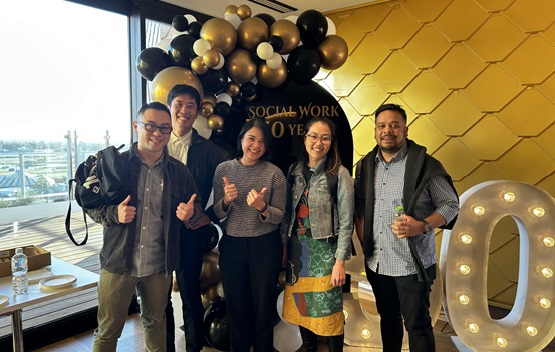
Monash Social Work celebrated its 50th anniversary, highlighting its impact on research, education, and partnerships aimed at influencing policy and practice for a more equitable community. The event recognised the department's contributions to social work education and its role in addressing systemic inequalities.
![]()
Keynote speakers and alumni reflected on the department's history, achievements, and future challenges in social work education.
The Centre for Youth Policy and Education Practice (CYPEP) at Monash University collaborated with the Academy of the Social Sciences in Australia and the Australian Youth Affairs Coalition (AYAC) to produce a summary report following a roundtable discussion on developing a national framework for policy that works for young people.
The roundtable, held in Canberra, brought together social scientists, young people, youth sector representatives, and policymakers to address issues facing young Australians, focusing on belonging, wellbeing, and security.
Monash University has undertaken several initiatives to address inequalities faced by Indigenous communities, including the launch of the Monash Rural Health Aboriginal and Torres Strait Framework in Mildura, participation in the AIATSIS Summit 2024, and the repatriation of the Gamilaraay dhulu. These activities aim to enhance educational and career opportunities, support Treaty discussions, and promote cultural resilience:

Monash University Vice-Chancellor and President Professor Sharon Pickering appeared at the Parliamentary Joint Committee on Human Rights public hearings to address antisemitism at Australian universities. This engagement highlights Monash University's commitment to addressing discrimination and promoting equality within educational institutions.
Monash University is enhancing seniors' quality of life and promoting social inclusion through innovative research and digital technology:

Associate Professor Catherine Flynn from Monash University's Social Work Department in the Faculty of Medicine, Nursing and Health Sciences conducted focus groups with children aged 11 to 15 who have a parent in prison. The report, supported by SHINE for Kids, highlights the need for these children to be seen, recognised, and supported by existing systems such as educators, police, and social services.
The study emphasises the lack of guidelines in Australia for supporting children during parental arrest and aims to guide advocacy and policy development to better support this overlooked group.
Monash University's Campus Cohesion research program, led by Associate Professor David Slucki and Dr Susan Carland, was launched to examine discrimination experiences among Jewish, Israeli, Muslim, Arab, and Palestinian students and staff. This two-year, action-based research program aims to develop practical solutions to support campus cohesion and safety, addressing antisemitism, Islamophobia, and anti-Palestinian sentiment.
The program involves an interdisciplinary team and is part of Monash's initiatives to build social cohesion and dialogue, with $1 million funding committed by the University.
Monash University has been recognised for its efforts in reducing inequalities through initiatives aimed at promoting Indigenous employment and LGBTIQA+ workplace equality:

Monash University is actively addressing inequalities for Indigenous communities through various initiatives:
![]()
Monash alumnus Phil Hayes-Brown, CEO of Wallara Australia and adjunct professor at Monash Business School’s Opportunity Tech Lab, is leveraging technology to enhance inclusion for people with disabilities. His work focuses on creating virtual reality modules to help neurodivergent individuals develop skills for job interviews and entrepreneurial pitches.
The initiative aims to improve workforce participation for people with disabilities and promote inclusion on Monash campuses, such as through a coffee kiosk at Clayton staffed by Wallara clients.
Monash University Malaysia hosted the 'Scenes of Monash Life' event during Equity, Diversity, and Inclusion (EDI) Week 2024, featuring artwork by Dato' Mohammad Nor Khalid (Dato' Lat) and Associate Professor Dr Jalaini Abu Hassan. The event, including the MUHIBAH Exhibition, highlighted the role of art in promoting equity, diversity, and inclusion.

Dato' Lat's illustrations and Jai Hassan's contemporary pieces explored social and cultural identities, while the MUHIBAH Exhibition showcased the vibrant cultures of Malaysia's indigenous communities.
This initiative underscores Monash University Malaysia's commitment to fostering an inclusive society through art and culture.
Monash University is actively promoting equity, diversity, and inclusion through EDI Week 2024 and the launch of the 'MOSAIC' support network: