First engineers to future leaders: Launching Indigenous engineering careers
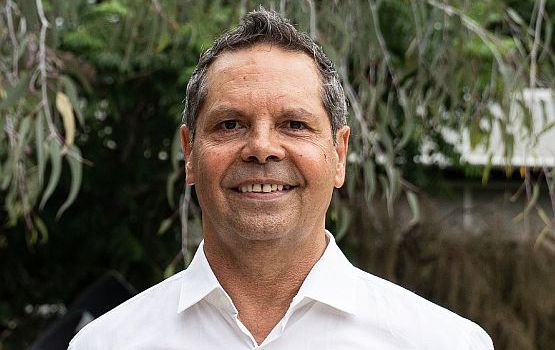
Innovation, resourcefulness and problem-solving have been key aspects of Aboriginal and Torres Strait Islander cultures for millennia; First Peoples were the first engineers and technologists. But Indigenous Australians also have critical roles to play in the future of engineering, according to Professor Chris Lawrence.
A proud Wadjak/Ballardong man from the Noongar Nation of southwest Western Australia, Professor Lawrence has recently been appointed as Associate Dean Indigenous in the Faculty of Engineering at Monash, while continuing in the equivalent role in the Faculty of Information Technology.
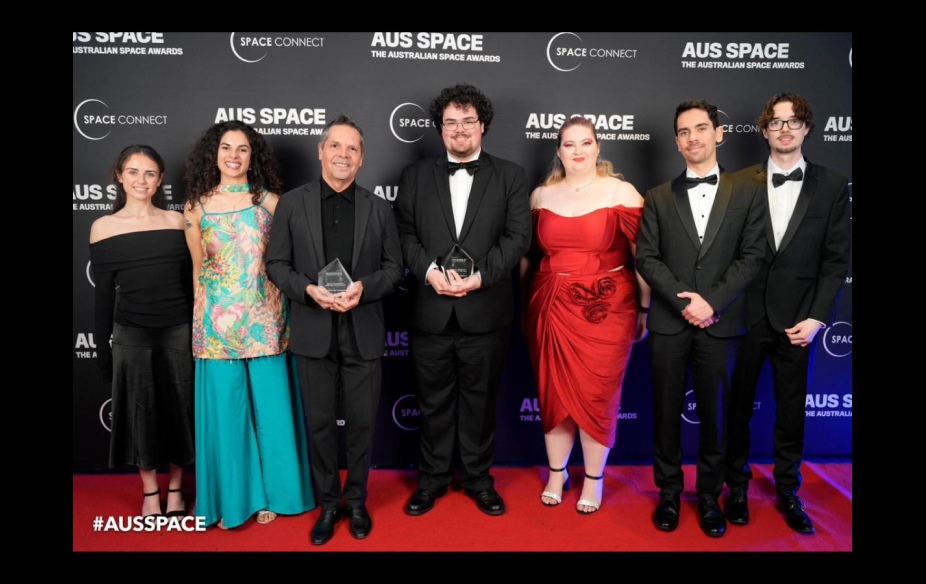
He has been the driving force behind the National Indigenous Space Academy (NISA), based at Monash, which paves the way for First Nations university students from across Australia to intern at NASA’s Jet Propulsion Laboratory in the US.
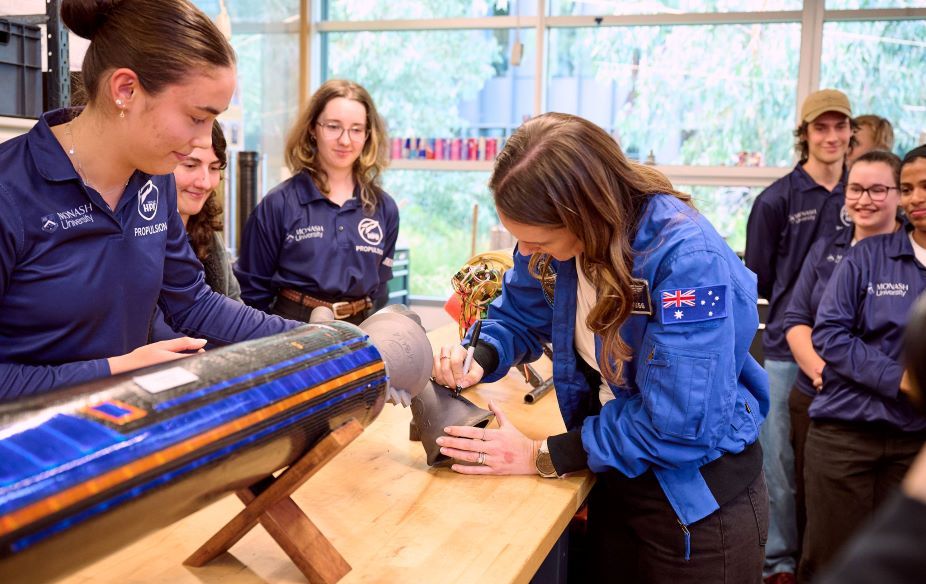
His NISA work has brought Professor Lawrence into close contact with engineering students and academics as well as space-related student teams including Monash Nova Rover and Monash High Powered Rocketry, and he already has clear views about Indigenous futures in engineering.
“We must do more to acknowledge and integrate Indigenous perspectives in the Engineering curriculum,” he says, “but I believe we also need to move beyond that.”
“Indigenous content, case studies and readings we develop have to be relevant to Engineering course material and degrees, as well as being educationally and culturally appropriate and easily accessible for teaching, learning and research.”
Professor Lawrence notes that engineering clients and employers are increasingly seeking - and even mandating - meaningful integration of Indigenous knowledge and cultural understanding into projects ranging from public infrastructure to commercial development.
“At the same time, Indigenous communities - whether they're remote, or in country towns and regions or in urban settings - need roads, water, housing and energy, and these are all within the domain of engineering,” he says.
“We need Indigenous doctors, lawyers and social scientists, but now more than ever we need Indigenous engineers… everywhere!”
Pathways into careers for Indigenous school students need to be identified, further developed, funded and supported through partnerships with government and industry, he believes.
Of course, attracting more students into Engineering courses is only the beginning; helping them get through the course and into graduate employment and careers is equally important.
“We already have Indigenous students in our Engineering programs,” says Professor Lawrence.
“We need to know more: what their aspirations are, what challenges they’re facing, and how we can best support them.”
“That means understanding their cultural obligations and pressures and making sure they know they’re not alone, particularly if they’re far from families and Country or experiencing imposter syndrome.”
Together with academic colleagues and professional staff, Professor Lawrence is working to formulate Indigenous Graduate Attributes for IT and Engineering, identifying and documenting the qualities, skills and understandings Indigenous students should develop during their courses, professional practice activities and extracurricular pursuits.
Above all, Professor Lawrence wants Indigenous students to be energised and inspired by all the possibilities of a career in engineering and opportunities like those NISA offers.
When it comes to science, engineering and technology, “space” isn’t just about rockets and other planets, he stresses.
“Satellites, communications, measuring impacts of climate change, monitoring bushfires, water management… the scope of space research is huge.”
“What we do in space matters here on Earth!”