
Research highlights 2024: Igniting innovation, driving discovery
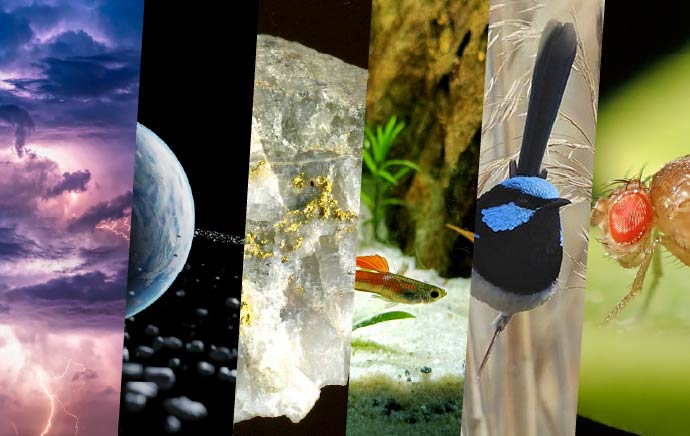
In 2024, Monash Science soared to new heights, delivering trailblazing research that unearths ancient mysteries, addresses urgent environmental challenges, and shapes the future of health and education.
From uncovering Earth’s ancient ring system to revolutionising conservation and enhancing mathematical education, Monash’s discoveries this year highlight a profound commitment to answering humanity’s most complex questions with insight and innovation.
The breadth and impact of this year’s research affirm Monash Science as a global powerhouse of knowledge and transformative science.
This year our researchers were awarded more than $12 million in Australian Research Council (ARC) Discovery Projects funding for 2025 – nearly double the amount secured in 2024, and in 2023. And in separate development, four of our scientists, Professors Peter Cawood, Douglas MacFarlane, Stefan Maier, and Ilya Mandel were included in Clarivate’s Highly Cited Researcher list for 2024 marking them among the most influential researchers worldwide.
One of the year’s highlights involves a world-first centre investigating climate change’s impact on weather patterns. This Centre, officially launched in October, aims to decode the shifts in weather dynamics induced by global warming, providing vital insights for policymakers and climate strategists worldwide.

Artist's impression: Oliver Hull
Monash science researchers have also illuminated prehistoric Earth with their hypothesis that Earth once had a ring system, akin to Saturn, 466 million years ago. This finding, based on geological evidence, sheds light on ancient cosmic events and provides a unique perspective on our planet’s history
In a fascinating geological discovery, Monash scientists have theorised that earthquakes may generate electricity capable of forming giant gold deposits. This research could change how we understand gold formation, with implications for mining and natural resource management.
On the environmental front, a study on antidepressant pollution has shown that these chemicals in waterways are altering fish behaviour and reproduction. This discovery highlights the urgency of developing greener pharmaceuticals to prevent lasting ecological damage from pharmaceutical pollutants.
In education, Monash experts are leading efforts to strengthen VCE mathematics exams in partnership with the Victorian Curriculum and Assessment Authority. This initiative seeks to enhance educational standards, ensuring that future generations are better equipped for careers in STEM fields.
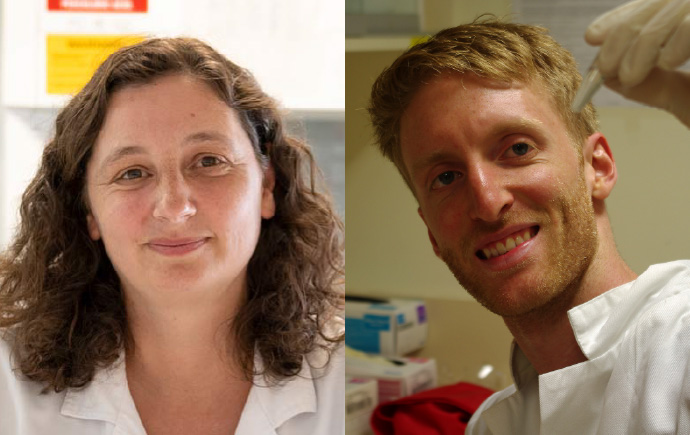
L-R: Dr Joanne O'Donnell and Dr Rowan Lymbery
Monash Science received $957,541 through the ARC DECRA scheme, which supports early-career researchers in projects ranging from innovative drug design to studies on ecosystem conservation. This funding affirms the university’s commitment to nurturing emerging scientific talent in tackling global challenges.
Monash physicists will accelerate quantum computing for Australian Defence after securing over $6.4 million in funding through the Australian Government’s Advanced Strategic Capabilities Accelerator (ASCA) Emerging and Disruptive Technologies (EDT) program.
In a ground-breaking study on maternal health, researchers revealed that a mother’s diet during pregnancy can protect her offspring's heart. This finding highlights the far-reaching effects of nutrition on long-term health and could guide future dietary recommendations for expectant mothers.
Exploring animal behaviour, Monash researchers found that harsh environmental conditions can foster cooperative behaviour among songbirds. This study reveals how social structures in nature can evolve to promote survival, offering insights into social dynamics under pressure.
Monash’s conservation researchers are raising concerns about the accuracy of tracking changes in global conservation areas. This research reveals major flaws in conservation monitoring, sparking a call for improved methods to safeguard biodiversity.
Finally, Monash scientists have uncovered a simpler alternative to intermittent fasting in their work on dietary interventions. This new approach promises similar health benefits, making it more accessible to a broader population interested in managing weight and metabolic health.
With these discoveries, Monash Science continues to expand the boundaries of knowledge, applying scientific rigor and creativity to solve critical global issues.
Further information:
Silvia Dropulich
Marketing, Media & Communications Manager, Monash Science
T: +61 3 9902 4513 M: +61 435 138 743
Email: silvia.dropulich@monash.edu