The science behind "phantom" traffic jams
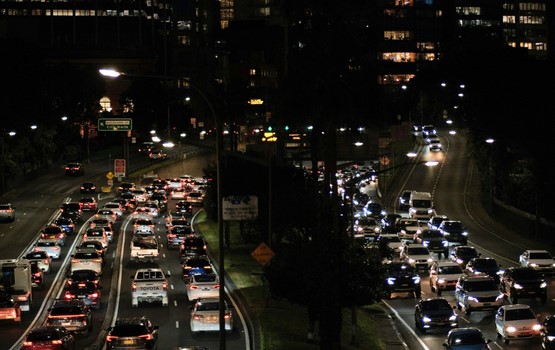
Why do traffic jams appear out of nowhere - and can we ever get rid of them? A recent explainer by Angus Holland of The Age unpacks the science behind congestion, from everyday bottlenecks to the frustrating phenomenon of “phantom jams” that seem to form without any visible cause.
Professor Hai Vu from Monash Engineering points to the role of human behaviour and seasonal pressures, describing periods like Christmas as a time of “quite a complex and unpredictable dynamic” on the roads. With more cars, unfamiliar routes and distracted drivers, even small disruptions can ripple through traffic and bring everything to a halt.
Traffic flow and control expert Associate Professor Dong Ngoduy - also from Monash Civil and Environmental Engineering - explains that roughly half of traffic jams are “non-recurring”, triggered by random events such as minor crashes or sudden surges in demand.
He also cautions against assuming technology alone will solve the problem. While autonomous vehicles may improve driving consistency, he notes that their overall impact on congestion is still “quite debatable”, particularly if they encourage more people to travel.
Together, their insights highlight that traffic jams are not just an infrastructure problem, but a complex interaction between human behaviour, demand and system limits - one that requires smarter management, not just more roads.
Read the full article here.