Mental health

Here at Monash, we offer a range of activities to educate staff about common mental health issues, and how to support others.

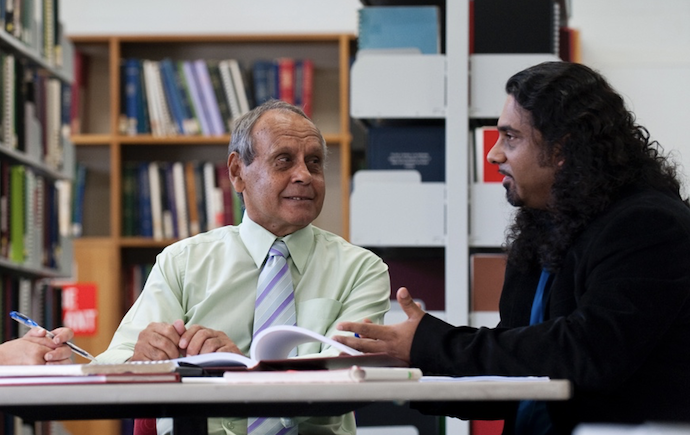
two people talking at a table in library

What does prioritising mental health look like?

Our mental health is an extremely important aspect of our overall wellbeing. It impacts how we think, feel, and act, especially in challenging times.

When our mental health is in a good place, we can work more productively, cope better with stress, and connect more meaningfully with those in our lives. This is why we must always prioritise our mental health and overall wellbeing, and not just when we are struggling.

Mental wellness

If we’re mentally well, we:

Facts and figures

  • Feel content and fulfilled in our lives

  • Feel confident in our abilities

  • Maintain meaningful relationships

  • Can cope with stressors

Ways to improve your mental wellness

Two people meditating cross legged

What is self-care?

Self-care refers to our engagement in activities that protect our work-life balance, provide stress relief, and attend to our overall wellbeing. Self-care impacts our wellbeing most positively when we incorporate it into our everyday lives.

As well as practising healthy sleep habits, eating a balanced diet, and engaging in regular exercise, research has proven the importance of practising mindfulness in our daily lives.

doctor talking to patient in hospital

Seeking support from others

Everybody struggles with their mental health from time to time. Fortunately, there are many free and confidential support services available to you at Monash, and also from the wider community. Even talking to a friend, family member or work colleague as a first step can be helpful.

Seek help early if you’re struggling – early help-seeking behaviours can help you protect your mental wellness. If your mental health is negatively impacting your day-to-day life, consider seeking support from your friends, family, colleagues or a mental health professional. No issue is too big or too small to talk about.

man looking into his own reflection

What is stress?

Stress is our mind and body’s biological reaction to situational pressure. This reaction can be helpful to deal with short term stressors that may appear in our lives. However, when you constantly experience stress over a long period of time, it can turn into chronic stress which can negatively impact your physical and mental health.

Physically, stress can manifest as:

  • stomach issues
  • sleeping problems
  • chest pain
  • headaches
  • muscle tension or pain.

Mentally, it can manifest as:

  • difficulty concentrating
  • difficulty making decisions
  • anxiety or frustration
  • sadness or irritability.

Struggling to cope with stress?

Everyone has experienced stressful circumstances they felt they could not cope with on their own. If you feel this way, we encourage you to seek support. This can be from free, confidential counselling services (like EAP) or any other accessible support service.

Need help now?

  • Emergency services

    Call 000

  • Lifeline

    Call 13 11 14

  • Beyond Blue

    Call 1300 22 4636

  • Employee Assistance Program (EAP)

    Call 1300 360 364 if you're in Australia (or +61 2 8295 2292 if you're overseas)

  • 13YARN (Aboriginal and Torres Strait Islander people)

    Call 13 92 76

  • Qlife (LGBTQIA+)

    Call 1800 184 527

  • Mensline

    Call 1300 78 99 78