How AI could help prevent bad-tasting tap water
Unpleasant earthy or musty tastes in tap water are a growing challenge for water utilities worldwide. The culprit is often cyanobacteria, or blue-green algae, which can rapidly multiply in reservoirs and release compounds that affect taste and smell, even at very low levels.
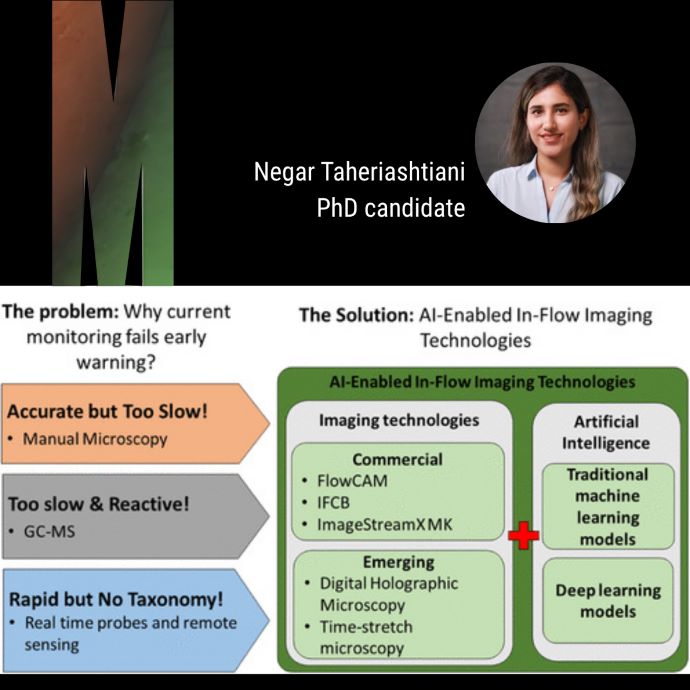
A recent review in ACS ES&T Water explores how new technologies could help tackle this problem before it reaches consumers. Traditionally, water monitoring has been reactive: by the time these compounds are detected through chemical testing, the issue has often already made its way into the supply.
The research details a smarter, more proactive approach. In-flow imaging systems - essentially high-speed cameras installed within water systems - can continuously capture images of microorganisms as water passes through. These images can then be analysed using artificial intelligence, which is trained to recognise different types of cyanobacteria and detect early warning signs of a bloom.
By combining real-time imaging with AI, utilities could monitor changes in microbial populations as they happen, identifying high-risk species before they release taste- and odour-causing compounds. The study also highlights the role of genetic testing, which can reveal whether the organisms present have the potential to produce these compounds at all.
Lead author and PhD candidate Negar Taheri Ashtiani says “This work highlights how AI can strengthen water quality monitoring by enabling faster and more scalable detection of cyanobacterial risks, including toxin- and taste-and-odour-related impacts, supporting a shift from reactive to proactive management.”
Together, these tools offer a shift from reacting to water quality issues to preventing them. As climate change increases the frequency of algal blooms, this kind of early-warning system could become essential, helping ensure that what comes out of the tap stays clean, safe and unnoticeable in the best possible way.
Read the full article here.